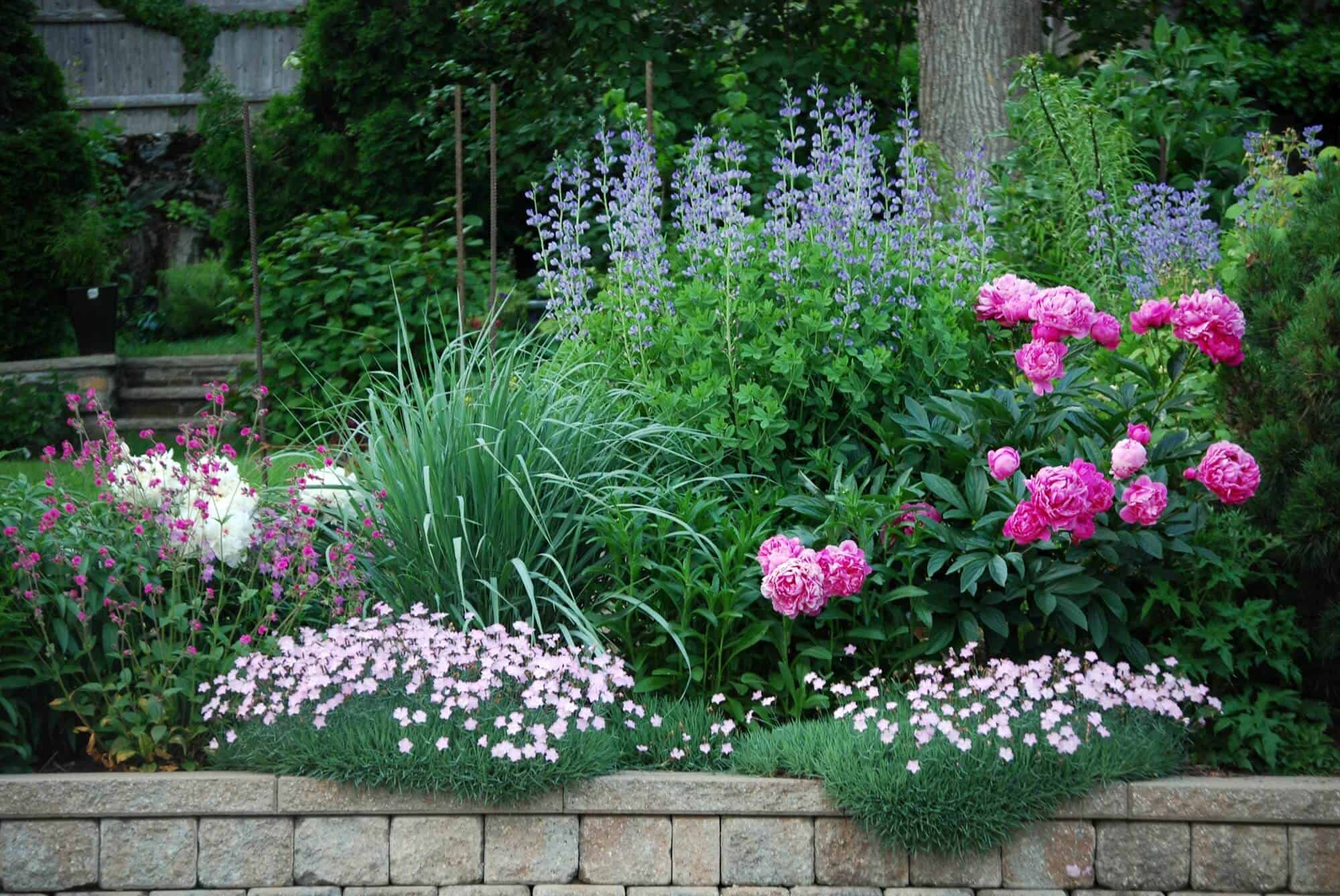
Fall is a pretty good time to plant perennials. However, if you’re like most gardeners, it feels counterintuitive.
The leaves are dropping, the air’s getting cooler, and the last thing on most people’s minds is putting new plants in the ground.
But here’s the secret:
Fall is one of the best seasons to give perennials a head start. The soil is still warm, the air is cool, and weeds aren’t growing like they do in summer. Plants can focus on building strong root systems before winter hits, and that means they’ll explode with growth when spring rolls around.
When I first learned this, I had that “wait, why didn’t anyone tell me sooner?” moment. Planting perennials in the fall has been a total game-changer for my garden.
And the fun part?
There are so many options that thrive depending on where you live. Let’s go through the best perennials to plant in the fall, zone by zone, so you don’t have to guess.
What Exactly Are Perennials?
Perennials are plants that come back year after year, unlike annuals that only last one season.
Some die back to the ground in winter and reemerge in spring, while others stay green year-round (depending on your climate). They’re the backbone of most gardens because once they’re established, they don’t demand a ton of work.
Think of them as the long-term roommates of your yard.
You do the moving-in work once, and they stick around. And the beauty is, the longer they stay, the better they usually look because their root systems get stronger each year.
15 Best Perennials to Plant in the Fall by Zone
Let’s break it down by USDA plant hardiness zones. If you’re not sure what zone you’re in, you can check the USDA Plant Hardiness Zone Map.
Zone 3 and 4
If you live in these colder climates, your winters are long, snowy, and can dip well below zero.
That doesn’t mean you can’t enjoy a beautiful perennial garden. Here are my go-to plants for this kind of environment.
1. Peonies
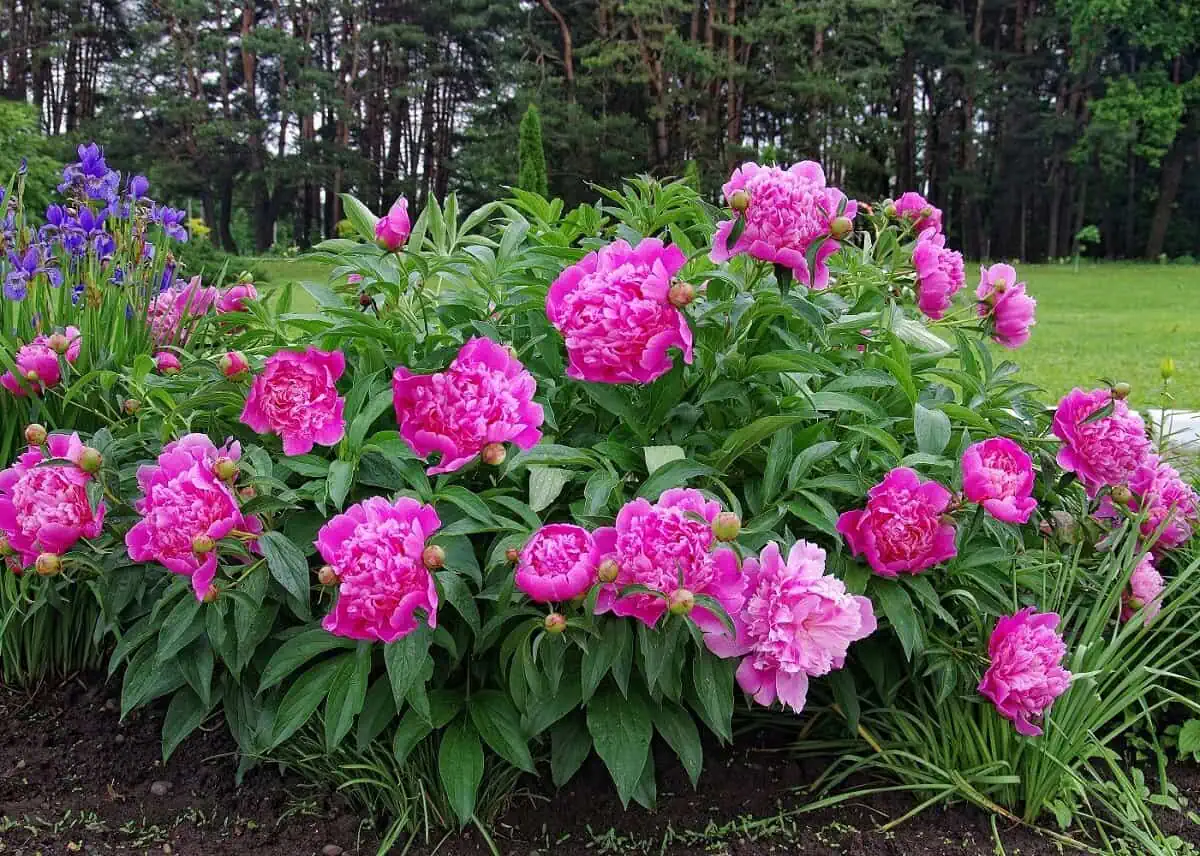
Peonies actually need cold winters to bloom well. The chilling period helps set buds, which is why they thrive in northern states.
You should plant them shallow, no more than 2 inches deep. Otherwise, you’ll end up with a lot of leaves and no flowers. The payoff is worth the wait: huge, fragrant blooms every spring that can last decades in the same spot.
2. Daylilies
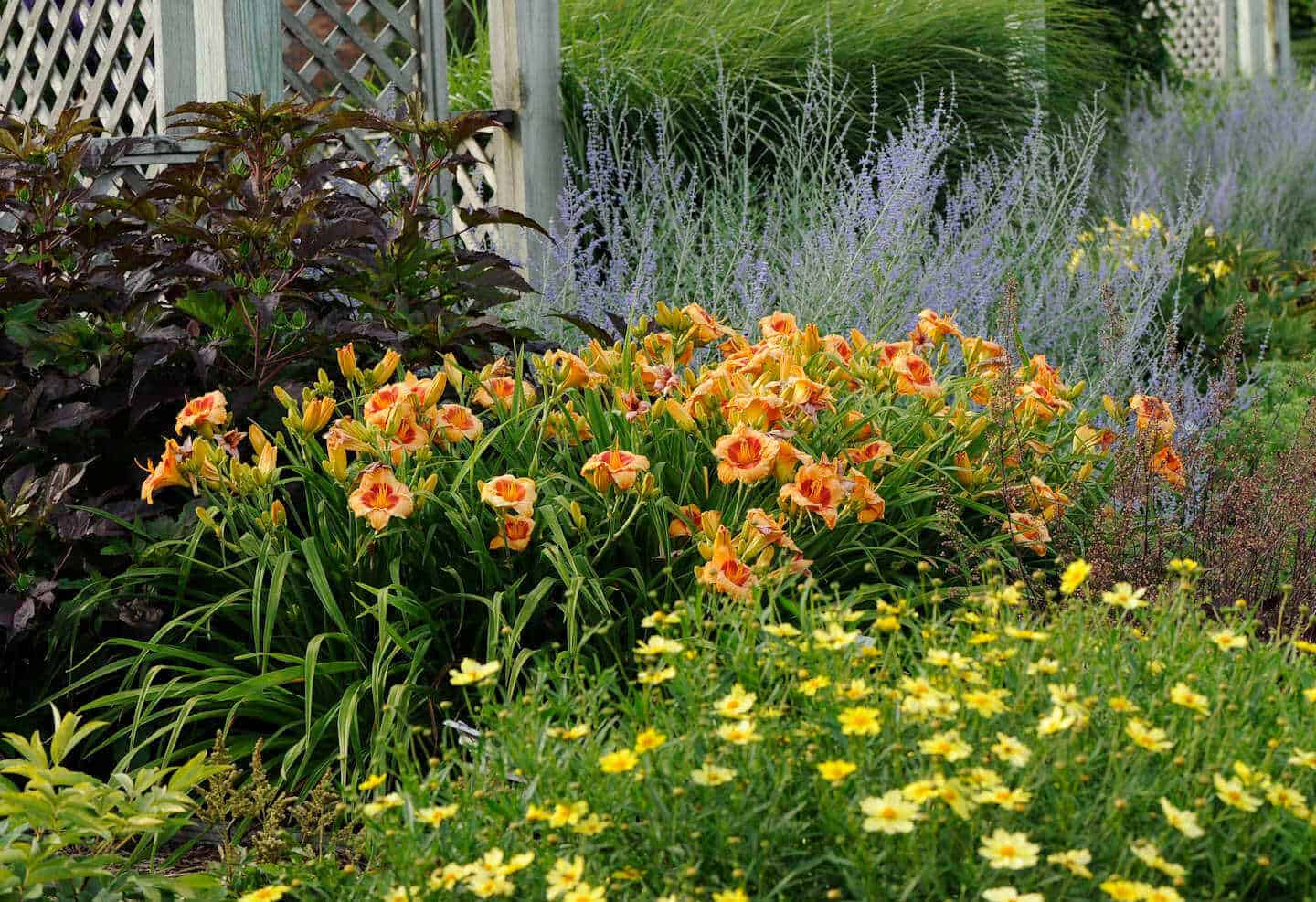
Daylilies are the definition of low-maintenance. I once read a gardener joke that said, “You could plant daylilies in gravel, forget them for a year, and they’d still bloom.” It’s not far off.
They come in endless colors and multiply quickly, so fall planting gives them a chance to spread their roots before winter.
3. Hostas
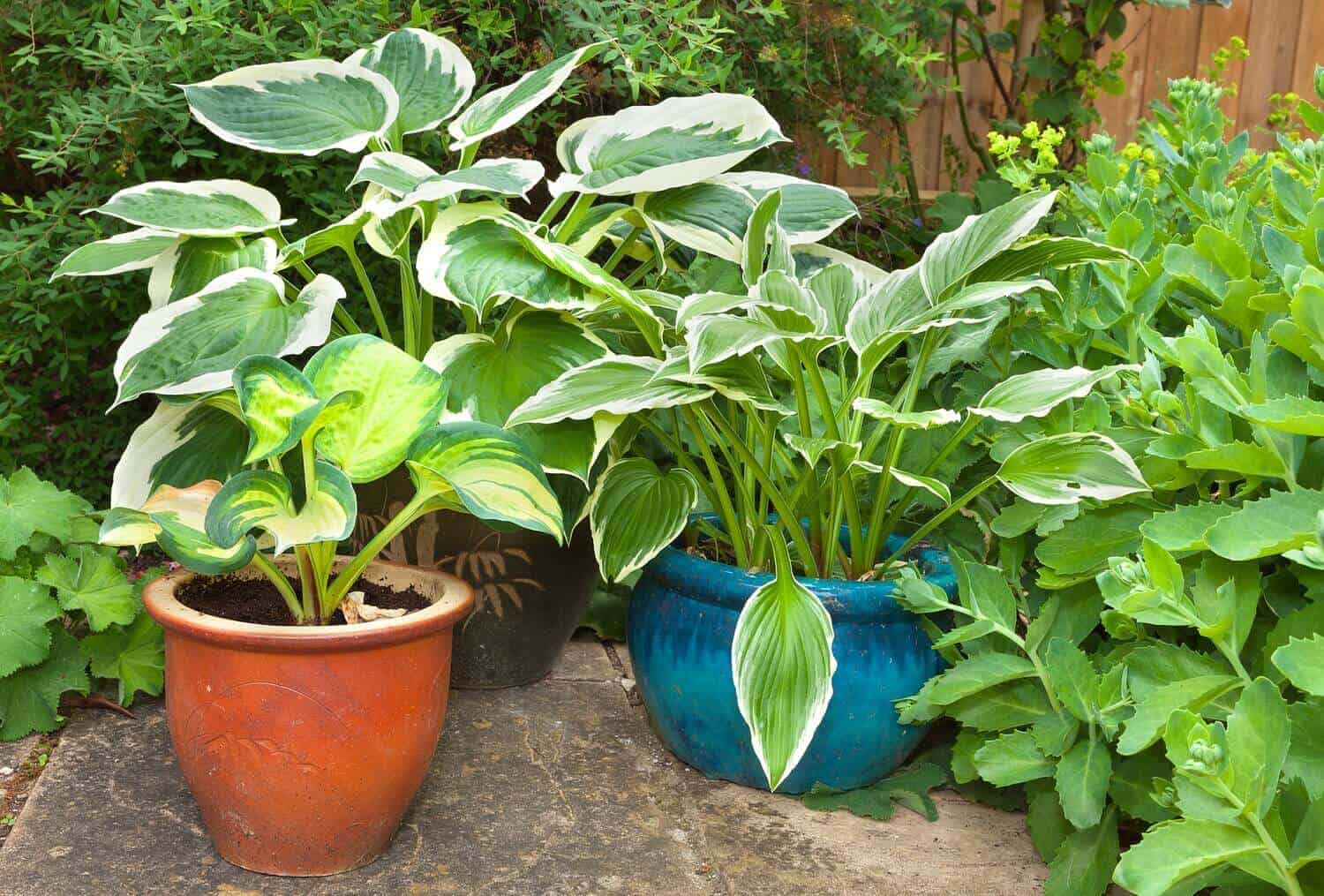
If you’ve got shady areas where grass won’t grow, hostas are your best friend. Their lush foliage fills in empty spots, and they get bigger every single year.
Bonus: the flowers attract hummingbirds. Just be prepared to protect them from deer, because apparently, hostas are like salad to them. To learn more, here are deer-resistant plants to intercrop with your perennials.
Learn how to grow hostas in pots.
Zones 5 through 6
This range covers a big swath of the U.S. (think Midwest and parts of the Northeast).
You’ve got moderately cold winters and long enough growing seasons to enjoy a wide variety of perennials.
4. Coneflowers (Echinacea)
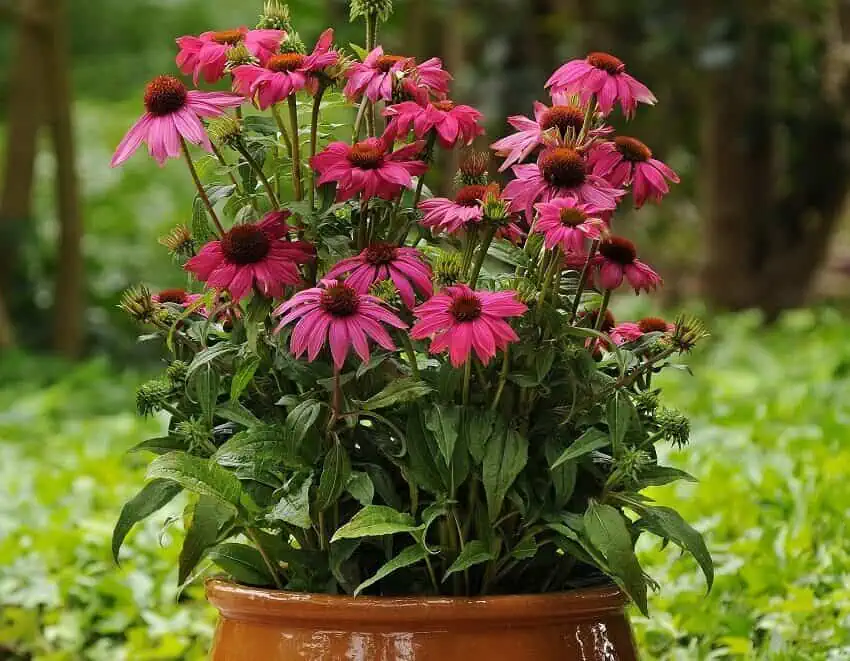
These hardy natives aren’t just pretty but are pollinator magnets, too. Bees and butterflies can’t resist them, and goldfinches will flock to the seed heads in fall.
I love that they keep standing tall even when frost hits, adding structure to the winter garden.
5. Black-eyed Susans (Rudbeckia)
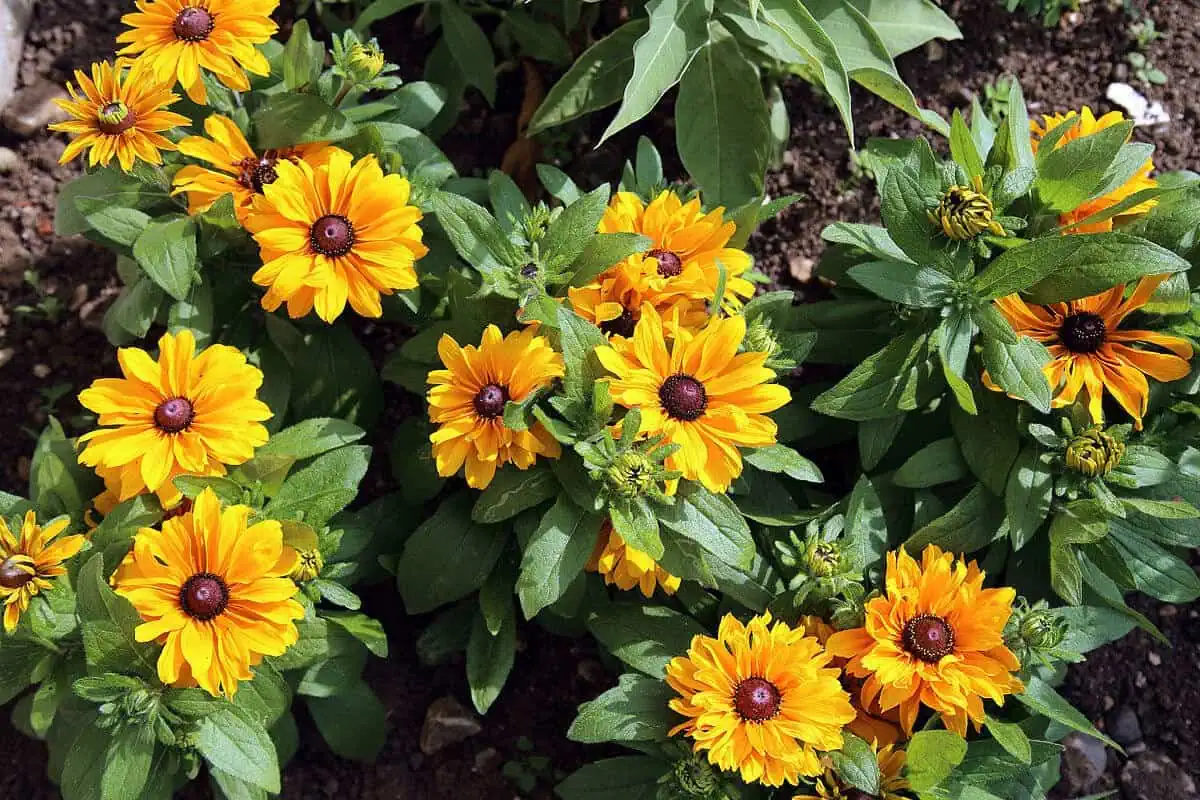
If you want cheerful, long-blooming color, this is your plant.
They’ll bloom from midsummer straight into fall, and once they’re in the ground, they’ll keep coming back stronger. Plant them in a sunny spot, and you’ll have reliable color for years.
6. Phlox
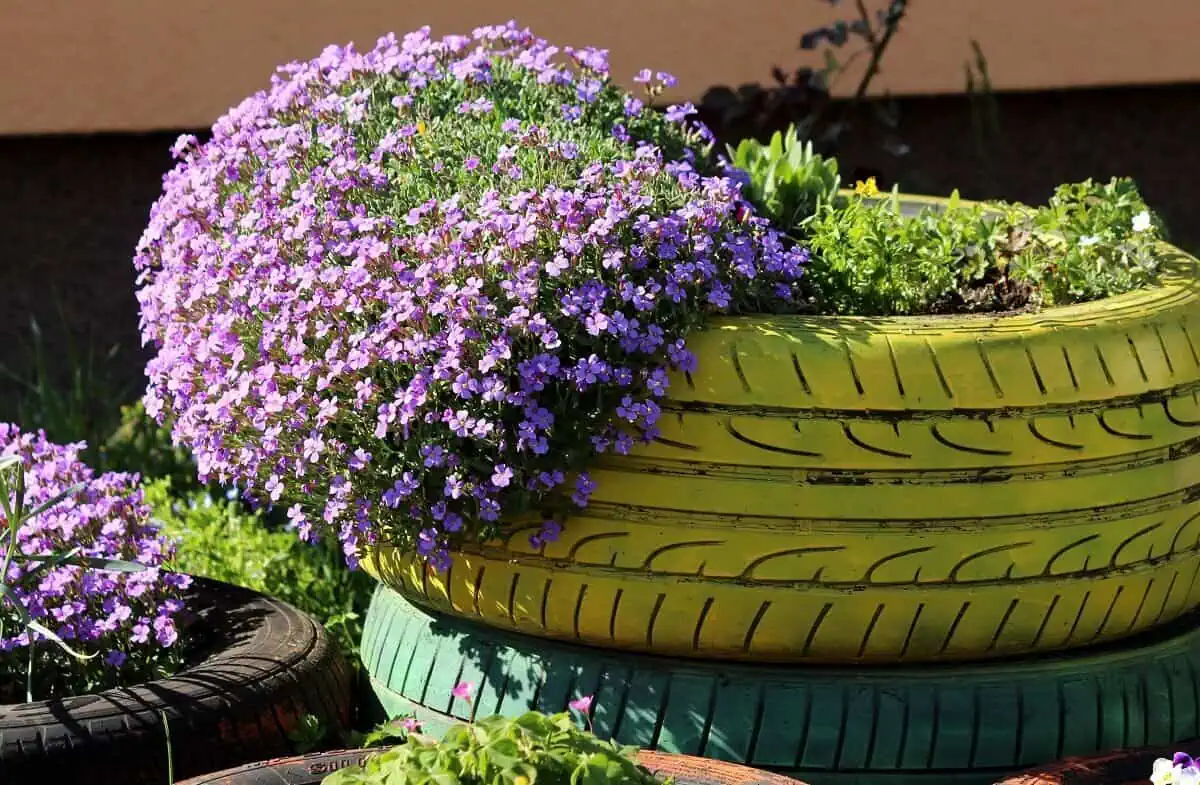
Garden phlox adds vibrant swaths of color and smells incredible. Fall planting gives it a jumpstart so it can resist powdery mildew (Phlox’s one big weakness).
Tuck it into well-ventilated spots with plenty of sun, and it’ll reward you with blankets of blooms.
Zones 7 and 8
Here, winters are mild, summers can be hot, and your growing season is generous.
This opens up a whole new roster of perennials that thrive with a little extra warmth.
7. Shasta Daisies
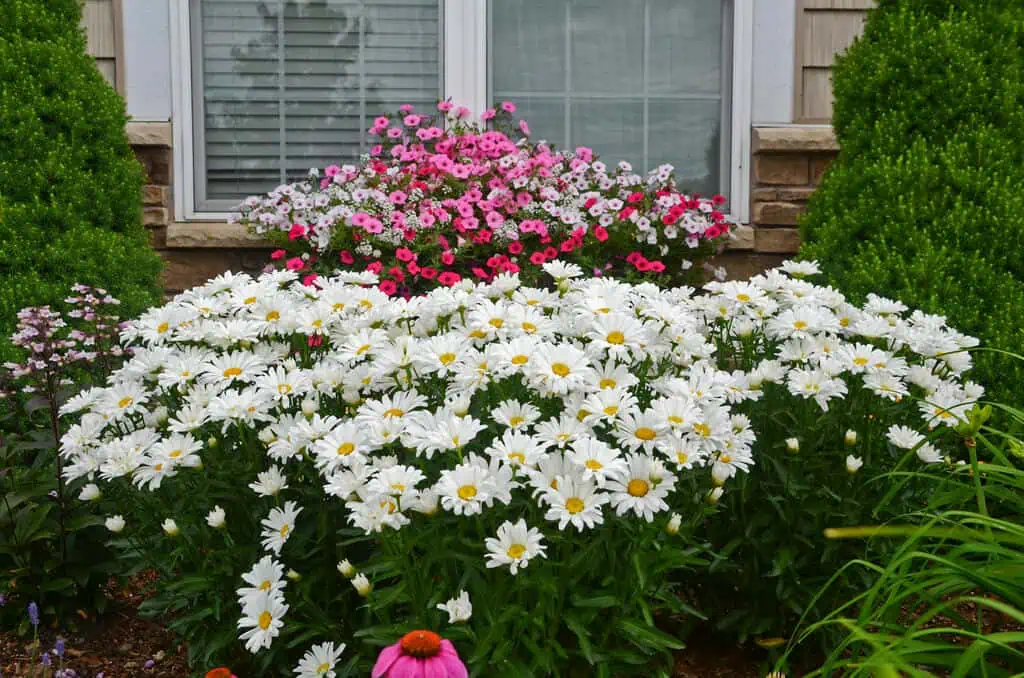
Shasta daisies are most garden staples because they’re bright, simple, and classic.
They love full sun and well-drained soil, and planting in fall means you’ll get strong clumps ready to bloom next summer.
Fun fact: they’re named after Mount Shasta in California, where they were first bred.
8. Coral Bells (Heuchera)
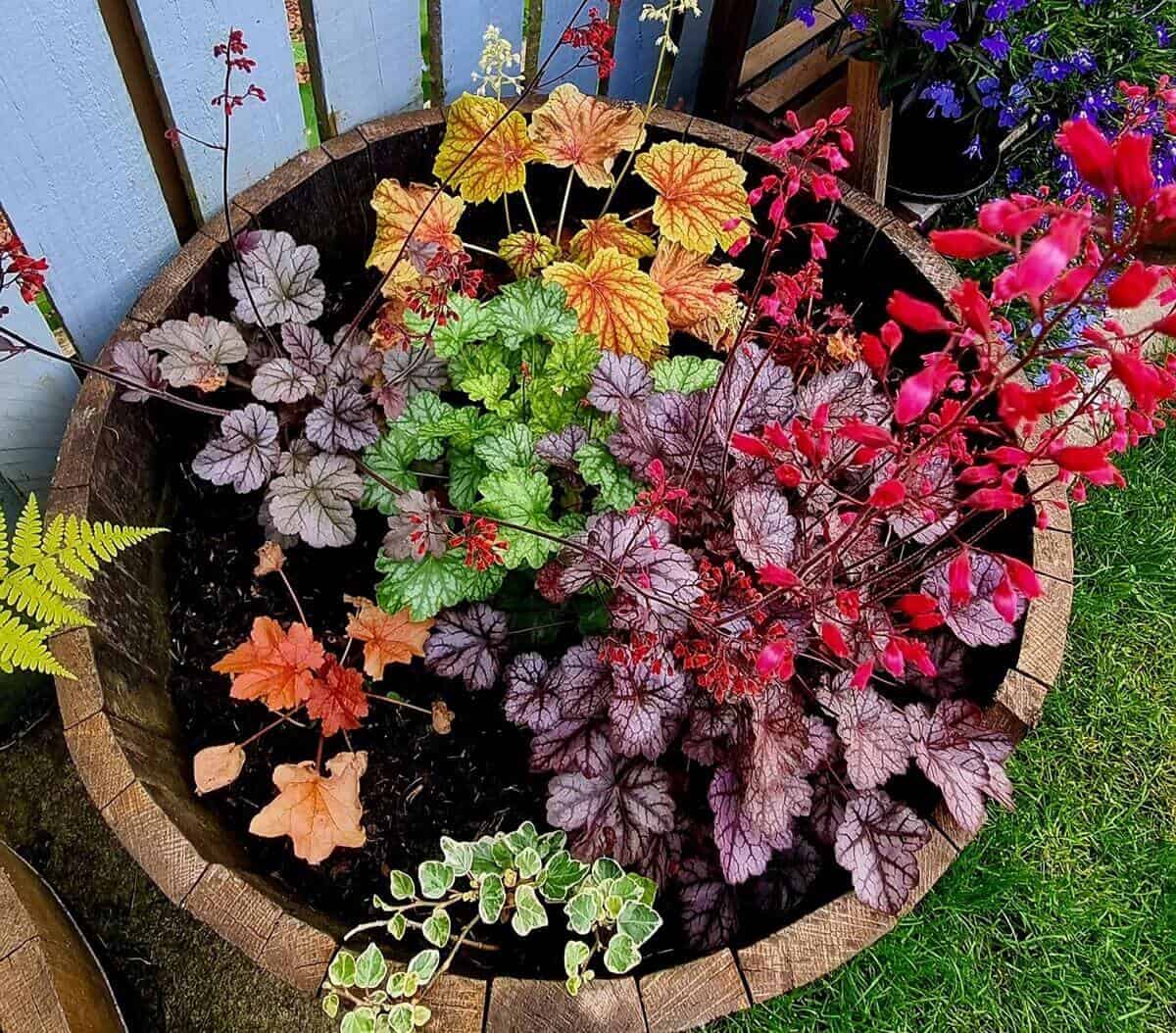
Coral bells are all about the foliage.
Their leaves come in shades of burgundy, lime, caramel, and even near-black. I’ve seen gardeners use them like living paintbrushes to add depth to borders and containers.
They don’t ask for much, just decent soil and partial shade.
9. Salvia
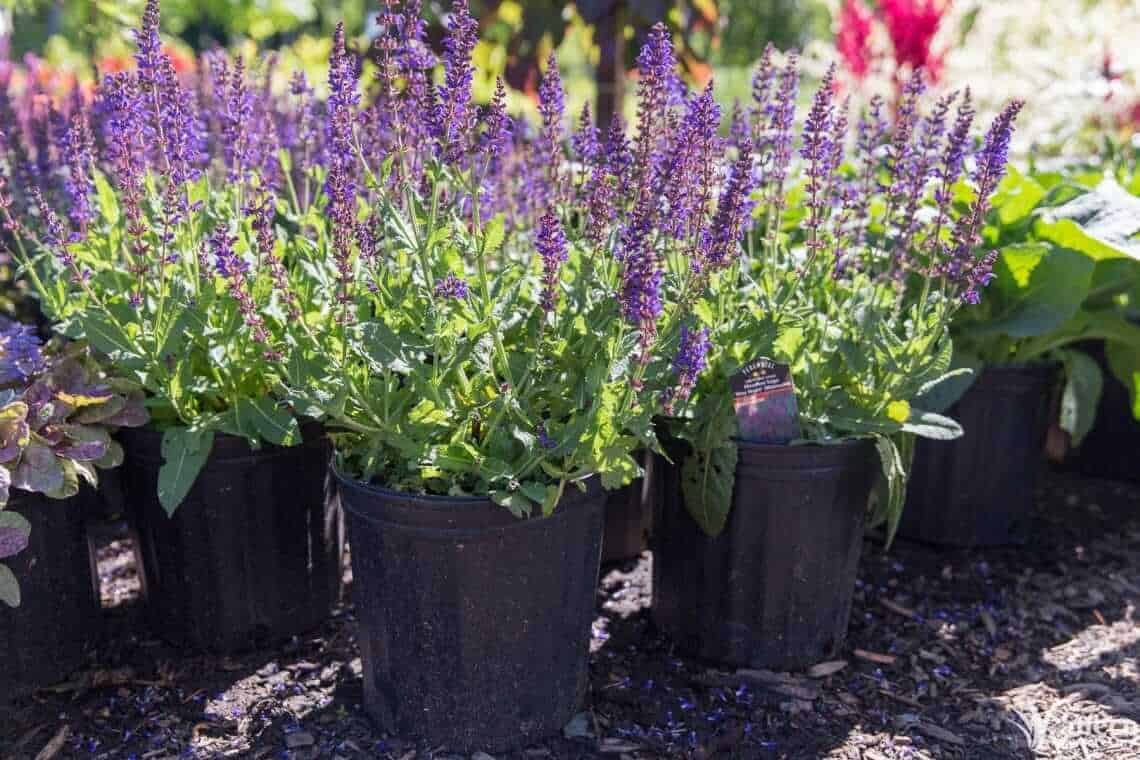
Image: Kalleco Nursery
This plant is tough, drought-tolerant, and adored by pollinators.
Once you plant salvia, you’ll notice bees, butterflies, and even hummingbirds hanging out around it. Plus, the spikes of purple-blue flowers add drama to beds and borders.
Zones 9 through 10
If you’re gardening in the South or coastal areas, you’re blessed with long seasons and mild winters. But heat tolerance is a must. Luckily, there are plenty of perennials up for the job.
10. Lantana
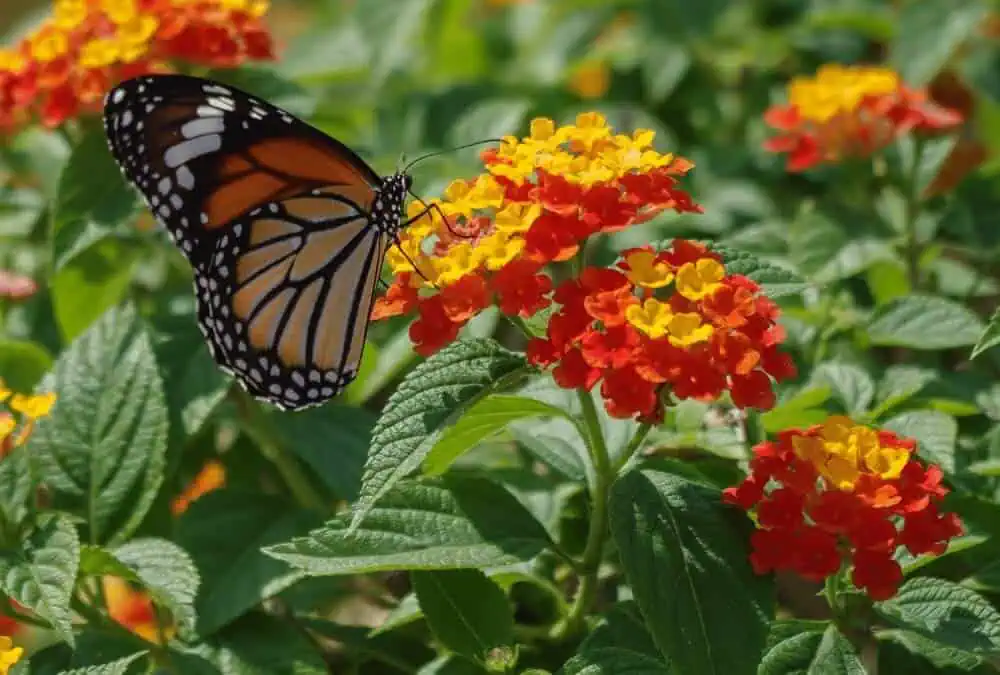
Lantana thrives in scorching sun and dry soil.
It’s basically indestructible once established, and butterflies absolutely swarm to it. I’ve seen it spill beautifully over containers and garden walls.
Caution: In some areas, it can spread aggressively, so check your local guidelines.
11. Gaillardia (Blanket Flower)
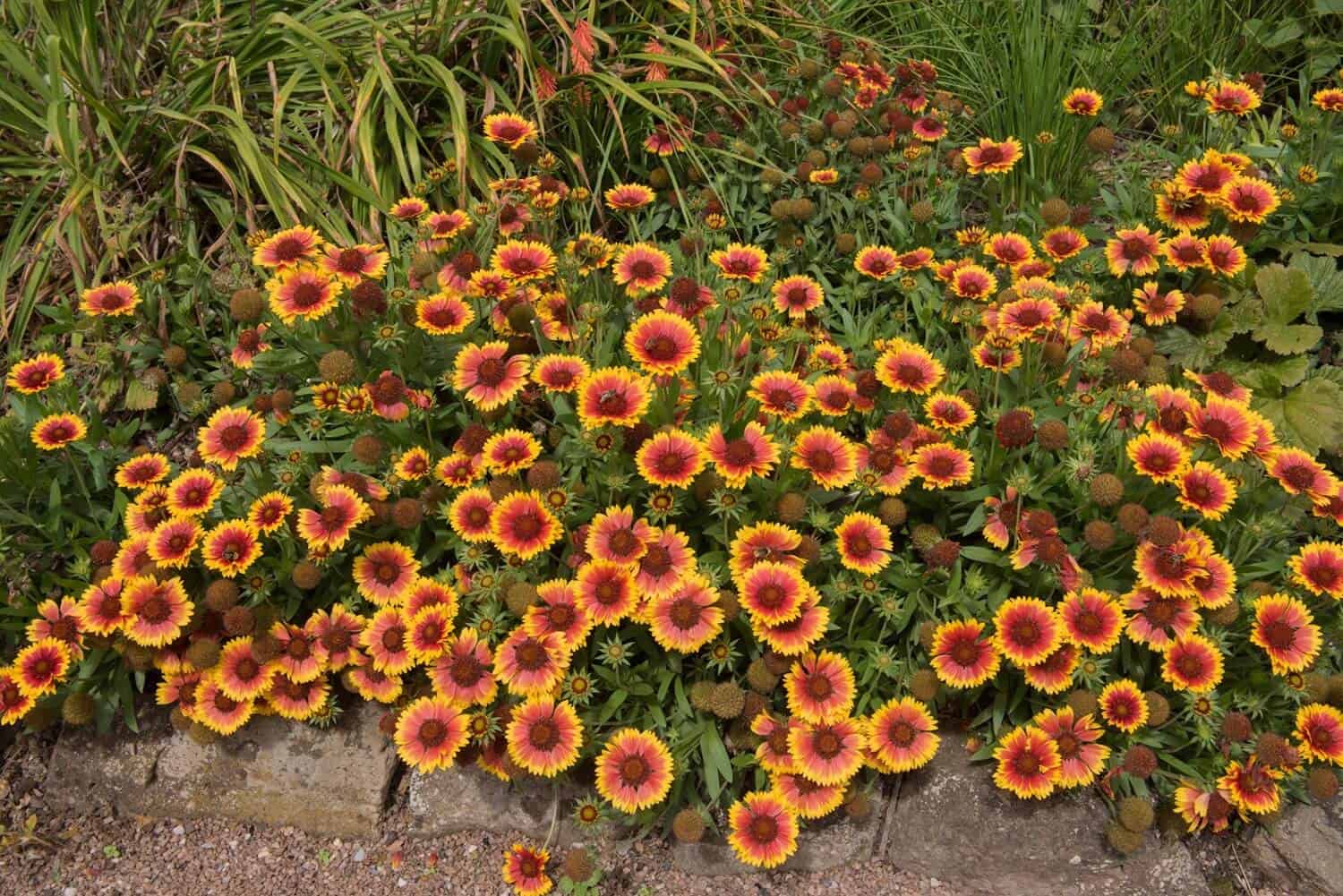
Blanket flowers are all about fiery, cheerful colors, which include reds, oranges, and yellows.
They bloom for months, even in poor soil. Fall planting gives them the chance to anchor their roots, so by next summer, you’ll have mounds of color.
12. Coreopsis
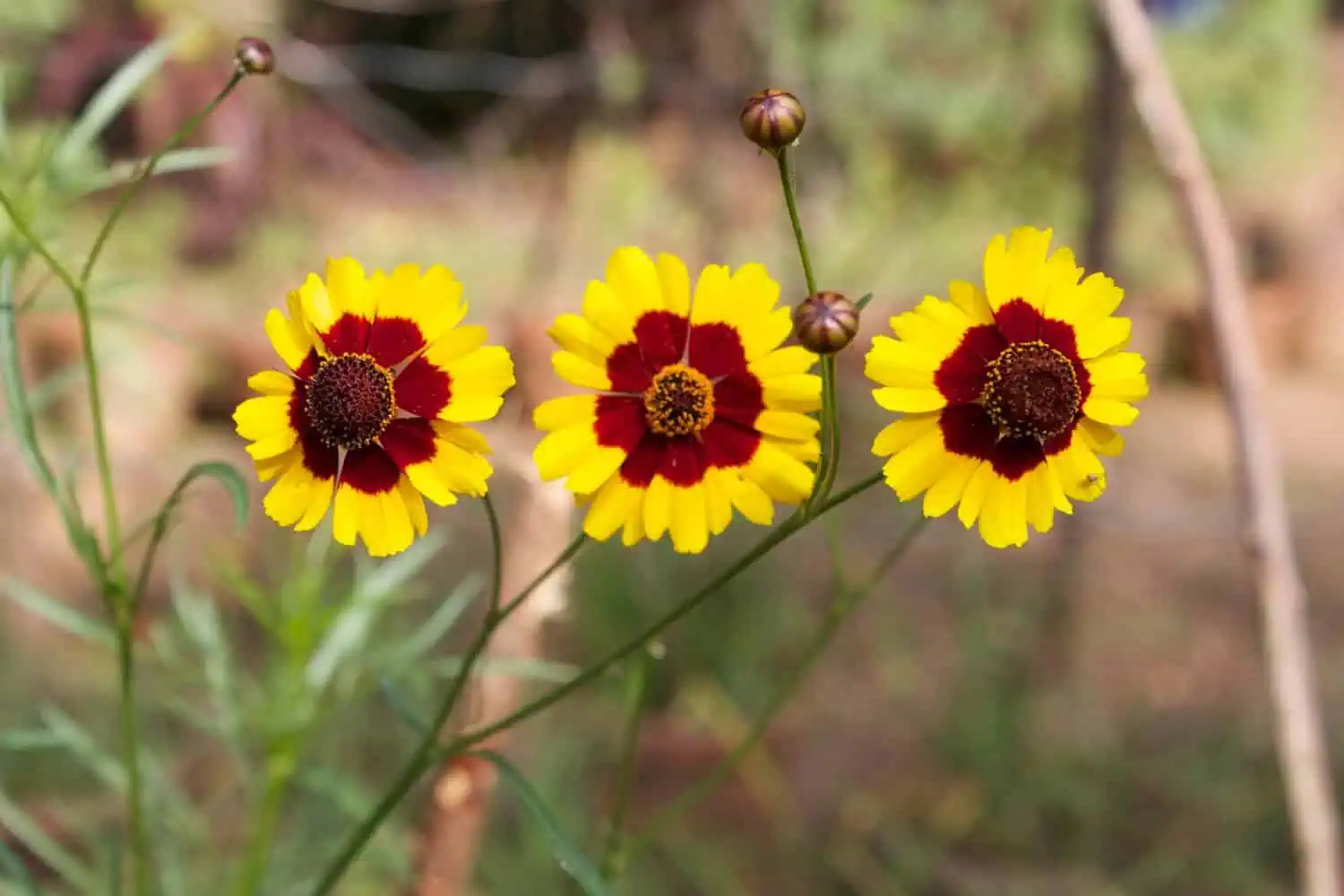
Think of coreopsis as sunshine in plant form. It’s hardy, long-blooming, and thrives in heat.
Some varieties are perennial in these zones, while others are annuals, so double-check before you buy. Either way, they’re super easy to grow and love neglect.
Bonus Picks for Almost Any Zone
These three perennials are widely adaptable, making them safe bets if you’re not 100% sure about your zone or you want plants that just don’t quit.
13. Lavender
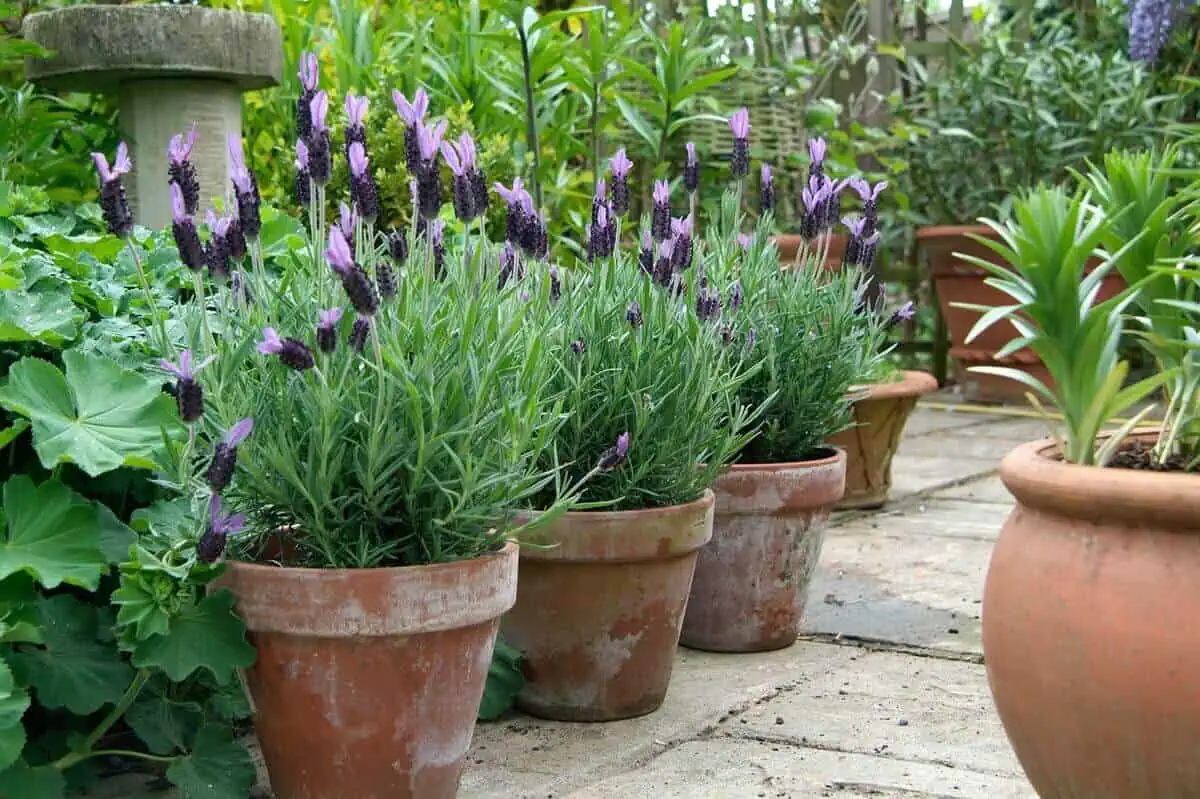
Lavender isn’t only beautiful and fragrant, it’s useful as well. You can harvest it for sachets, teas, or just to enjoy its calming scent. It thrives in full sun and dry, sandy soil.
Plant it in the fall so the roots can get cozy before the growing season kicks off.
14. Sedum (Stonecrop)
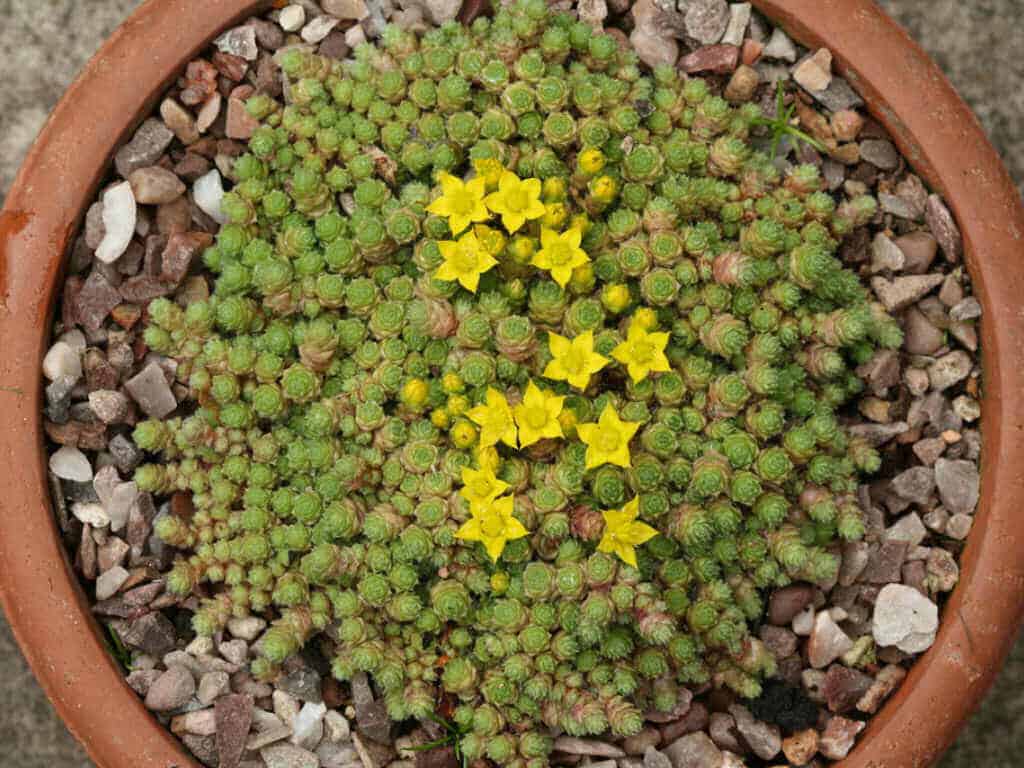
Sedums are perfect if you forget to water sometimes (guilty here).
They’re succulents, so they store water in their fleshy leaves. Come fall, many sedum varieties put on a stunning show with star-shaped flowers that bees can’t resist.
15. Catmint (Nepeta)
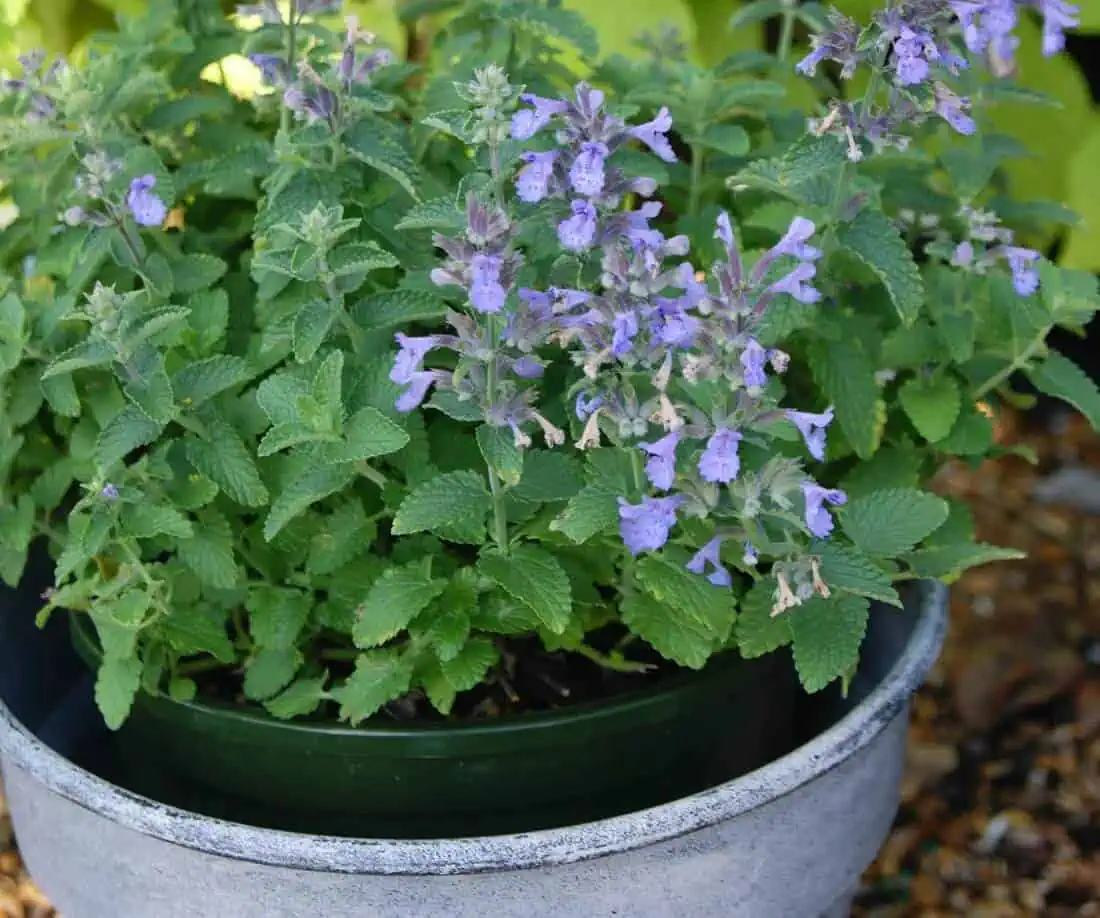
Catmint is one of those plants you can stick in almost anywhere, and it’ll thrive. It’s deer-resistant, drought-tolerant, and blooms with soft lavender-blue flowers.
Plus, it looks gorgeous spilling over pathways or borders. If you’ve ever wanted a “cottage garden” vibe, catmint is your ticket.
Extra Tips for Planting Perennials in the Fall
Timing matters. Aim to plant about 6 weeks before the ground freezes. That gives the roots enough time to establish.
Water deeply. Just because it’s cooler doesn’t mean you can skip watering. Fall rain helps, but don’t rely on it completely.
Mulch well. Adding a 2–3 inch layer of mulch keeps soil temperatures stable and protects the roots.
Don’t fertilize. This one surprises people. Fertilizer pushes plants to grow new leaves when they should be focused on roots.
Novice gardeners have made the mistake of fertilizing in the fall before, and all they got was limp foliage that couldn’t handle frost.
Conclusion
Fall planting isn’t just about squeezing in a few last-minute flowers before winter; it’s about setting yourself up for an easier, more beautiful spring.
Choosing perennials that thrive in your specific zone is the real secret. Once they’re in the ground, they’ll reward you by popping up year after year, often bigger and better than before.
So, if you’re tempted to pack away your gardening tools once the temperatures drop, maybe hold off just a bit.
Grab a few perennials, dig some holes, and give your future self a head start.