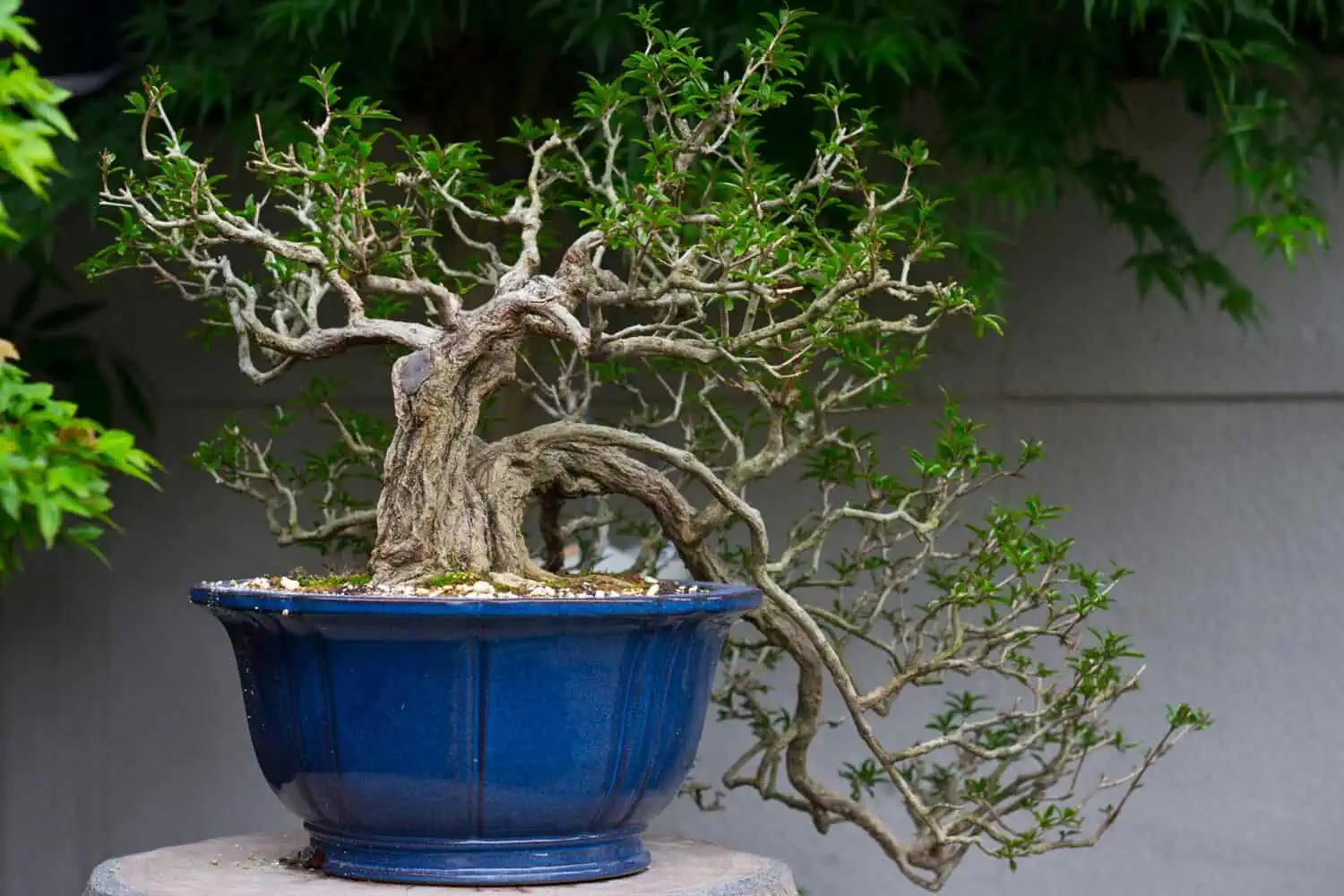
Some time back, I decided to keep a bonsai tree at home, coz why not?
Every friend of mine had one, and it didn’t make sense why I couldn’t have mine as well. And to my surprise, it thrived so well that I called my friends over to see how well it was doing.
It wasn’t until one morning, after a weekend out, that a disturbing view from my windowsill greeted me. There were lots of fallen leaves from my beautiful tree. I felt disappointed and blamed myself for leaving it unattended while I was away having fun.
To me, this was ‘an emergency’.
So, I decided to check various gardening forums to see what the problem was, as I had assumed the worst. Everywhere I checked, it just confirmed my worst fears: that I was losing my bonsai tree. Might be from root rot, incurable stress, blah, blah, blah.
That’s when I decided to call one of my friends to lament about it. When he saw the tree, he laughed it off, saying that it’s most likely normal, as he had such issues with his before. He then walked me through what he termed a ‘diagnostic for Bonsai Tree Losing Leaves’.
I learnt a lot about bonsai tree care from him, which inspired today’s article.
So, let’s look at reasons why your Bonsai Tree is Losing Leaves and how you can fix the problem.
Whether it’s from seasonal shedding, a change in light, a slightly overwatered pot, or even the stress of being moved from one spot to another, I've got it all covered.
Bonsai Tree Leaves Dropping? Common Causes and Easy Fixes
Watering Habits
Both overwatering and underwatering can cause a bonsai tree's leaves to drop. And frustratingly, both issues can lead to yellowing and falling of bonsai leaves.
If the soil your bonsai tree is planted in retains a lot of water, overwatering it becomes almost impossible to avoid. With just a few days of overwatering, your tree is at risk of developing root rot, which you’ll only notice when it starts to lose strength and drop its leaves. At times, it might be too late to save your dying bonsai tree.
That’s why it’s advisable to water your bonsai tree only when the soil gets slightly dry and ensure you use a well-draining growing medium.
Under-watering a bonsai is also a common issue, as it can lead to roots dying off after a while and eventually the tree dies. The leaves of an under-watered tree turn yellow or brown, feel dry and crispy to the touch, and drop within days rather than weeks. This is because the tree triggers its emergency response system that starves its roots to reduce losses and conserve whatever it has left.
Assuming you don’t have a moisture meter, how do you actually tell the difference between the two?
Use the chopstick test technique, which I also use for my tree. Push a chopstick about two inches into the soil, then pull it out.
If it comes out clean and dry, it's time to water. But if it comes out with soil clinging to it, hold off watering and keep checking every other day so that you don’t miss when the tree needs water.
Read more about watering plants in my earlier article about ‘7 Best Options for an Automatic Plant Watering System’
Light
Once you’ve sorted the watering and the leaves are still dropping, the next thing to check is light. Whether you have a Juniper, Chinese Elm, or a Ficus bonsai, they all need adequate light for healthy growth. This usually depends on the species.
Insufficient light doesn't kill a bonsai outright, but it weakens it steadily, and at this stage you’ll most likely notice leaf dropping as the tree sheds foliage it is no longer able to support.
When you couple sudden changes in light, drafts, and temperature swings, you stress a bonsai into shedding leaves even when nothing else is wrong.
To fix this, reposition the tree to a location with the most consistent light throughout the day (in a bright area with enough indirect or direct sunlight as per the tree species). If your home doesn't have one, use a grow light to fill the gap.
Whatever you do, try to make the change gradually rather than suddenly, since that kind of abrupt shift is its own form of stress.
Pro Tip: Understand the light needs for the specific bonsai tree species before taking action.
Repotting Stress
Here's a scenario that caught me off guard, and to date I can’t believe I fell for it. I once repotted my tree, feeling proud of myself for giving it fresh soil and a bit more room, and within a few days, it was dropping leaves intensely.
This made me think I had lost it, and when I was almost giving up, there they were: Some new growth, and within weeks the tree was all leafy and healthy.
This is the case: bonsai trees can lose leaves after being moved or repotted simply because they're adjusting to the new environment, even one that's objectively better for them.
Root disturbance during repotting shocks the system, and that’s when the tree sheds some foliage to redirect energy toward reestablishing its roots.
The only fix to this is patience and restraint, as most trees bounce back within a growing season, and some evergreens take a couple of months to show visible recovery.
Pests Infestation
If you’ve ruled out watering, light, season, and recent disturbances, it's time to focus on pests and diseases.
Start by flipping a few leaves over and checking along the stems and in the crooks where branches meet. Small pests like aphids or spider mites usually hide on the underside of the leaves and weaken a bonsai with leaf drop as later signs rather than the first.
Use natural treatments like insecticidal soaps for a minor infestation caught early, so there's rarely a need to reach for anything harsh.
Nutrient Deficiency
Before closing on the issue of Bonsai Tree Losing Leaves, nutrient deficiency deserves a mention too, though it’s a bit of a balancing act.
The most common include: nitrogen shortage: Old leaves turn yellow and drop off first due to nitrogen shortage; new leaves turn pale white or yellow while veins stay green due to iron shortage, whereas lower leaves weaken and fall off early due to magnesium shortage.
To fix this problem, do the following:
First and foremost, choose the Right Fertilizer: Always use a balanced fertilizer. For nitrogen deficiencies, feed fertilizers with a higher nitrogen content. Additionally, ensure the fertilizer addresses phosphorus and potassium needs.
Second, use the correct application mode by following the recommended dosages given on the fertilizer packaging to avoid over-fertilizing, which can harm your bonsai. It’s good to feed the tree during the growing season, so that it receives nourishment when it’s most needed.
Lastly, improve soil conditions: Poor soil conditions can hinder nutrient uptake, so consider enriching the soil with organic matter or using a soil conditioner to improve its structure and nutrient retention.
Sometimes it’s Just a Normal Behavior
Like I’ve stated in the light section, understanding the type of bonsai tree you have is crucial in determining the cause of your Bonsai Tree Losing Leaves.
You see, you might worry yourself for the wrong reasons. For instance, for deciduous bonsai species, such as maple, elm, or zelkova, leaf drop in autumn and winter is a normal occurrence. It's the tree going dormant for the season, the same thing its full-sized cousins do in the yard.
A deciduous bonsai losing its leaves as the days shorten is behaving exactly as it should, conserving energy through the colder months before pushing out fresh growth in spring.
On the other hand, evergreen species like junipers and pines follow a different pattern. They do shed some older leaves as part of normal turnover.
But if an evergreen starts dropping leaves excessively or all at once, that's a different story, and it points back to one of the stress factors we've already covered rather than a seasonal cycle.
Conclusion
When you think about your Bonsai Losing Leaves, it can be alarming, but as you have seen, in most cases it's your bonsai's way of communicating that it needs some attention.
Whether it’s seasonal dormancy, overwatering, insufficient light, or a pest issue that’s causing the leaf drop, the key is to observe your tree closely and respond with small adjustments.
Bonsai trees are quite resilient, and with consistent care, proper watering, and the right growing conditions, it will bounce back stronger than before.
So, the next time your bonsai leaves start falling off, don’t get alarmed. Just follow the guidelines that I have shared and be patient with every step.