
A lilac bush can spend most of the year blending into the background, then steal the show when it blooms.
Suddenly, the air carries that unmistakable sweet fragrance, and every branch seems to be holding a bouquet. It's easy to understand why gardeners have grown lilacs for generations.
The biggest challenge, though, is when a lilac grows plenty of leaves but produces few flowers, or when an old, tangled shrub seems to bloom less each year.
These problems are all common.
But with the right tips and care guidelines, you could easily grow a beautiful lilac bush that blooms as often as possible.
For instance, traditional varieties need a sufficiently cold winter to develop flowers properly, and they form next season's flower buds on growth from the previous year.
Let’s discuss these and much more next:
How to Grow Fragrant Lilacs That Bloom Beautifully
1. Choose a Lilac That Suits Your Climate
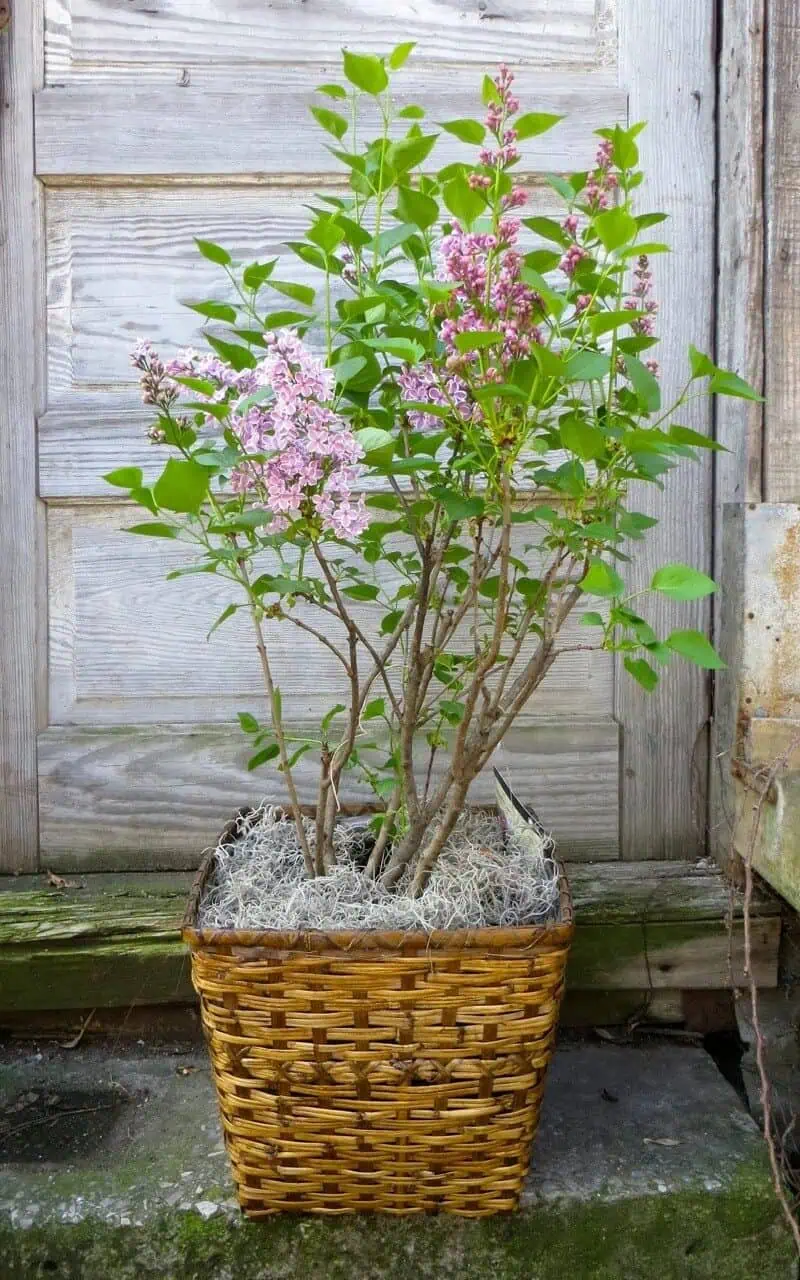
Credit: Michler's Lilac Bush
Before deciding where to plant a lilac, make sure the variety can thrive in your local climate. This is especially important if you live somewhere with mild winters or hot, humid summers.
The common lilac (Syringa vulgaris) is the old-fashioned garden favorite. Its large clusters of fragrant flowers range from pale lavender to deep purple, pink, and white.
Many varieties thrive in regions with cold winters and relatively cool summers, but flowering becomes unreliable in climates that don't provide enough winter chilling.
According to the North Carolina State Extension plant database, lilacs need a prolonged period of winter chill for their buds to mature properly. Some lower-chill cultivars are available, but even these may perform best where winters are sufficiently cool.
If you have a small garden, consider a compact variety such as Meyer lilac (Syringa meyeri 'Palibin'). It generally grows to around 4 to 5 feet tall and can suit smaller gardens or patios better than a vigorous common lilac.
Another option is 'Miss Kim', a Korean lilac cultivar valued for its fragrant flowers and relatively compact growth.
Check the mature size and climate suitability of the specific cultivar before buying it. A plant label showing that a lilac survives your winter temperatures doesn't necessarily guarantee that it will flower reliably.
2. Find a Sunny Position with Good Drainage
Lilacs flower best in full sun, so look for a position that receives at least six hours of direct sunlight each day. More sun can improve flowering, particularly for common lilacs.
A shaded position may still support healthy-looking foliage, which is why an underperforming lilac can be misleading. If your shrub sits beneath a tree or beside a tall hedge, it may be competing for sunlight, water, and nutrients.
Moving a badly positioned young plant may be more effective than trying to coax it into flowering.
Drainage matters just as much. Lilacs tolerate a range of ordinary garden soils, but they struggle when their roots remain in waterlogged ground. If water sits around the planting area after rain, consider another location or a suitably raised planting area.
Soil pH is worth checking if the shrub is struggling despite good light and drainage. Common lilacs generally prefer soil near neutral or slightly alkaline, although individual species and cultivars differ in their tolerance.
If a soil test shows that your ground is strongly acidic, follow its recommendations before adding lime.
Guesswork can create nutrient problems that weren't there before.
Give the mature plant room to spread. A large common lilac can become a substantial, many-stemmed shrub, while even a compact cultivar needs enough space for air to move around its foliage.
This last point also helps with disease prevention. Crowded branches remain damp for longer after rain, creating more favorable conditions for leaf diseases and mildew.
3. How to Plant a Lilac Bush
Spring and autumn are generally suitable planting seasons in regions with cold winters. Choose a mild period when the ground is workable, and roots have an opportunity to establish. In warmer climates, avoid planting during extreme heat or when the soil is likely to remain saturated.
Start by digging a hole about twice as wide as the root ball. Make it no deeper than the root ball itself, so the shrub doesn't settle too low after planting.
Place the plant in the hole with the top of its root ball level with the surrounding soil. In heavy ground that drains poorly, planting slightly above the surrounding grade may help, but don't pile soil over the base of the stems.
Backfill with the soil you removed, breaking up large clods as you go. There's generally no need to fill the planting hole with fertilizer, manure, or large quantities of compost. The aim is to encourage roots to grow into the surrounding ground rather than remain confined to an unusually rich pocket of soil.
Water thoroughly after planting to settle the soil around the roots. Then spread a layer of organic mulch over the root zone, keeping it several centimeters away from the stems.
Mulch helps conserve moisture, moderates soil temperature, and suppresses weeds that would otherwise compete with a young shrub. Just remember that a thick, permanently damp pile against the stems can encourage problems at the base of the plant.
For the first growing season, check the soil frequently and water when the root zone begins to dry. A newly planted lilac hasn't developed the extensive root system that helps an established shrub cope with dry weather.
4. Watering
Once established, lilacs are relatively drought-tolerant, especially in suitable soil. Young shrubs need more consistent moisture, however, because their roots haven't spread far enough to explore a large volume of soil.
Water deeply when necessary instead of giving the plant a little water every day. A thorough watering encourages moisture to penetrate the root zone, whereas frequent shallow watering can leave deeper roots dry.
How often you need to water depends on rainfall, temperature, wind, soil texture, and the plant's age. Sandy soil usually dries faster than heavy soil, while plants grown in containers lose moisture more quickly than those planted in the ground.
Here's a simple habit worth developing: check the soil before reaching for the hose. If the root zone still feels moist, wait. If it is becoming dry, water slowly and thoroughly.
Pay attention during prolonged dry spells, particularly while a young plant is establishing itself. However, don't assume every drooping lilac needs more water. Waterlogged soil can damage roots and produce symptoms that resemble drought stress.
If the leaves are wilting while the ground remains wet, investigate drainage before watering again.
5. Does a Lilac Bush Need Fertilizer?
Not necessarily. A lilac growing in reasonably fertile soil and producing healthy leaves and shoots may need little or no additional fertilizer.
Excessive nitrogen can encourage leafy growth at the expense of flowering. It's frustrating to see a shrub grow vigorously without producing flowers, then discover that repeated feeding has encouraged exactly the kind of growth you don't need.
Start by considering the site. Does the lilac receive enough sunlight? Is its soil draining properly? Has it been pruned at the wrong time? These questions are often more useful than immediately applying a fertilizer marketed for flowering plants.
If growth is weak or the foliage suggests a nutritional problem, a soil test can help identify what the plant actually needs. Apply an appropriate fertilizer only when there's a good reason, following the product's instructions.
Also consider nearby lawn treatments. Grass fertilizers can contain substantial amounts of nitrogen, and applications close to a lilac may stimulate excessive vegetative growth.
A mature lilac doesn't need to be pushed into constant growth. It needs enough resources to develop healthy wood and flower buds, then time to complete that process.
6. Pruning Lilacs: When and How to Do It
Pruning is probably the most important lilac-care task to get right if you want reliable flowers.
Most traditional lilacs bloom on old wood. That means they develop flower buds on growth produced during the previous growing season.
If you prune them in late winter, early spring, or autumn without a specific reason, you may remove buds that would have opened the following spring.
The safest time for routine pruning is immediately after flowering finishes. This leaves the shrub with the rest of the growing season to produce new growth and develop the next crop of flower buds.
Remove faded flowers
Once the flowers have finished, you can remove the spent clusters to tidy the shrub.
Use clean, sharp pruning shears and cut each faded cluster back to a suitable pair of leaves or a healthy side shoot. Avoid cutting unnecessarily far down the branch, where you might remove more young growth than intended.
Deadheading is especially useful when you want to keep the shrub looking neat and prevent seed capsules from developing. However, don't expect deadheading alone to transform a lilac that lacks sunlight or doesn't receive enough winter chill.
Thin an overcrowded shrub
Older lilacs can develop a dense collection of stems that shade one another. Some of the oldest stems may flower poorly, while newer growth struggles to receive enough light.
To renovate the shrub gradually, remove up to about one-third of the oldest or least productive stems at ground level immediately after flowering. Prioritize dead, damaged, diseased, crossing, and poorly positioned growth.
Repeat the process over successive years if necessary. This gradual renewal allows younger stems to replace older ones without sacrificing the entire flowering display at once.
A neglected lilac sometimes needs more substantial rejuvenation. Cutting every stem close to the ground can stimulate fresh growth in a suitable plant, but you'll lose much or all of the flowering display while it recovers.
It's usually better to spread severe renovation over two or three years, unless restoring the shrub's structure takes priority over flowers in the short term.
Avoid excessive shaping
Lilacs generally look best when allowed to retain their natural form. You can shorten awkward branches to suitable side shoots, but routinely shearing the outside into a tight ball removes much of the growth that would carry next year's flowers.
If you're growing a dwarf lilac in a small garden, choose a cultivar whose natural mature size suits the space rather than relying on repeated severe pruning to keep a large shrub small.
One exception is dead, broken, or diseased wood, which can be removed when necessary regardless of the usual flowering schedule. If you suspect an infectious disease, disinfect your pruning tools between cuts.
7. Why Isn't Your Lilac Bush Flowering?
A lilac with plenty of leaves but no flowers can be maddening. Fortunately, the likely causes are fairly well understood, so it's worth investigating them in a sensible order rather than applying several treatments at once.
The shrub was pruned at the wrong time. If you cut it back during autumn or winter, you may have removed the flower buds. Allow new growth to develop, then make your next routine pruning cuts immediately after the following flowering period. It can take a full growing season to get back on track.
It doesn't receive enough sunlight. A lilac growing in shade may produce foliage without many flowers. Observe the site throughout the day rather than judging sunlight from a single visit. If surrounding trees or shrubs have grown larger over the years, conditions may have changed considerably.
The winter wasn't cold enough. Common lilacs need a sufficient period of winter chill. If your winters are mild, especially if the shrub has never flowered reliably, investigate whether the cultivar is suited to your climate before spending money on fertilizer or pruning products.
The plant is still young. Newly planted lilacs often need a few years to establish themselves. A young shrub producing healthy shoots may simply need time, so avoid repeatedly pruning it in an attempt to force flowers.
The plant has been overfed. Excess nitrogen can favor leaves and shoots over flowering. Stop unnecessary feeding and review the plant's growing conditions.
Frost damaged the flower buds. A late frost can damage developing buds, particularly when a mild spell encourages early growth. If the shrub usually flowers well but produces little after an unusually cold spell, weather damage may explain the change.
The shrub is old and crowded. A mature lilac with many thick stems may need renewal pruning to improve light penetration and stimulate more productive growth.
Rule of Thumb: The important distinction is whether the shrub has never flowered, has stopped flowering recently, or produces flowers only on parts of its canopy. A young plant that has never bloomed may need time or a different cultivar. An established plant that suddenly stops flowering deserves a closer look at pruning, shade, weather, and recent changes in care.
For additional diagnostic guidance, Illinois Extension's discussion of lilacs that fail to bloom is a useful reference.
8. Common Lilac Diseases and Pests
Lilacs are fairly tough shrubs, but their foliage can develop problems, especially when plants are stressed or crowded.
The best response depends on the symptoms. Avoid spraying a product until you have a reasonable idea of what's causing the damage.
Powdery mildew
Powdery mildew appears as a white or gray coating on the leaves. It's common on lilacs and often becomes more noticeable later in the growing season.
The disease can make the shrub look unattractive, but it rarely kills an established, otherwise healthy lilac by itself. Start by improving airflow, avoiding overcrowding, and removing fallen infected leaves. If mildew repeatedly becomes severe, consider a more resistant cultivar.
Fungicides aren't usually necessary for a mild case. When treatment is justified, choose a product labeled for the plant and disease, and follow its instructions carefully.
Leaf spots and premature leaf drop
Brown or dark spots can have several causes, including fungal leaf diseases. Infected leaves may yellow and fall prematurely, particularly during wet summers.
Remove fallen diseased foliage and prune out dead branches. Water the soil rather than repeatedly wetting the foliage, and give the shrub enough space for air to circulate.
Don't assume every spot requires a fungicide. Many lilac leaf-spot problems can be managed with sanitation and better growing conditions, and treatment may not be worthwhile on a large established shrub.
Blackened shoots and buds
Young shoots that suddenly turn black, or leaves with dark lesions surrounded by yellow halos, may indicate bacterial blight. Frost injury can sometimes produce similar damage.
Prune affected shoots during dry weather, cutting back into healthy tissue. Disinfect tools between cuts when disease is suspected and dispose of infected material appropriately.
If the damage is widespread or keeps returning, seek a local plant-disease diagnosis before using a treatment.
Borers and damaged stems
Lilac borers are wood-boring insects whose larvae can damage branches or stems. Signs may include holes, sawdust-like material, sap around the base, and weakening or dying branches.
Inspect suspicious stems rather than assuming all dieback is caused by old age. Remove badly affected wood where appropriate, and seek local advice if the main stems are seriously damaged.
A lilac that's planted in full sun, watered sensibly, and kept open enough for good airflow is generally better placed to withstand these problems.
9. How to Propagate a Lilac Bush
Propagating a lilac is a good way to grow more plants from a favorite shrub, but the method you choose matters.
Root suckers are often the simplest option. These are shoots that emerge from the roots or near the base of the parent plant. If you separate a well-rooted sucker carefully and give it suitable growing conditions, it can establish as a new shrub.
There's one important catch. Some lilacs are grafted onto a different rootstock. A sucker that grows below the graft may belong to the rootstock rather than the named lilac variety, so it may not produce the same flowers. If the parent grows on its own roots, suckers are more likely to be true to type.
To separate a sucker, dig around it carefully and retain as much of its root system as possible. Replant it promptly, water well, and protect it from drying out while it establishes.
Softwood cuttings are another option. Take healthy, non-flowering new growth during a suitable period in late spring or early summer, depending on your climate and the plant's development.
Place the prepared cuttings in a clean, free-draining propagation medium and maintain humidity without keeping the medium waterlogged.
Cuttings can be more demanding than separating rooted suckers, so take several rather than relying on one. Lilacs grown from seed are also possible, but seedlings may differ from the parent and can take years to flower.
10. Can You Grow a Lilac Bush in a Pot?
Yes, especially if you choose a naturally compact cultivar. A vigorous common lilac can eventually outgrow a container, while dwarf varieties are better suited to patios, courtyards, and smaller gardens.
Choose a sturdy pot with drainage holes and enough room for roots to develop. Use a free-draining growing medium and water thoroughly when the mix begins to dry. Containers lose moisture faster than garden soil, so check them more often during warm or windy weather.
Avoid leaving the pot standing in water. Lilacs dislike persistently saturated roots, and a decorative outer container without proper drainage can create exactly that problem.
Container-grown lilacs also need periodic repotting as their roots fill the available space. If a plant becomes root-bound, dries out unusually quickly, or shows declining growth despite reasonable care, check its root system.
Most importantly, remember that container growing doesn't eliminate the need for winter chilling.
A potted lilac still needs a suitable seasonal environment for reliable flowering, and its roots may be more exposed to temperature extremes than those of a shrub planted in the ground.
If your winters are warm, choose a cultivar with verified suitability for your climate before investing in a large container and growing medium.
11. A Simple Seasonal Routine for Lilac Care
Lilac care follows the shrub's natural annual cycle. In climates with cold winters and spring flowering, the most useful routine is straightforward.
During winter, leave healthy branches alone and avoid routine pruning that could remove flower buds. You can remove dead or damaged wood when needed.
In spring, enjoy the flowers and watch for frost damage or early signs of disease. Once flowering finishes, remove faded clusters and prune selectively if the shrub needs thinning or renewal.
During summer, water young plants and established shrubs during prolonged dry spells. Maintain mulch, watch for leaf diseases, and allow the new growth to mature. This is when the shrub develops the wood that will carry many of next year's flowers.
In autumn, clear away fallen diseased leaves and check that water drains properly around the roots. Avoid late-season pruning that unnecessarily removes developing flower buds.
Your exact calendar will depend on local conditions, but the sequence matters more than the dates: protect the buds, prune after flowering, and give the shrub a healthy growing season.
Also remember to check out how to grow and care for a gardenia bush and blueberry bush.
Conclusion
A lilac bush doesn't need constant care to become a garden favorite. It needs the right variety for your climate, a sunny position, soil that drains well, and pruning timed to protect its next crop of flowers.
Have you grown lilacs in your garden, or are you trying to revive one that no longer blooms?
Share this guide on Facebook or Pinterest to help another gardener, and add your own lilac-growing experience to the conversation.