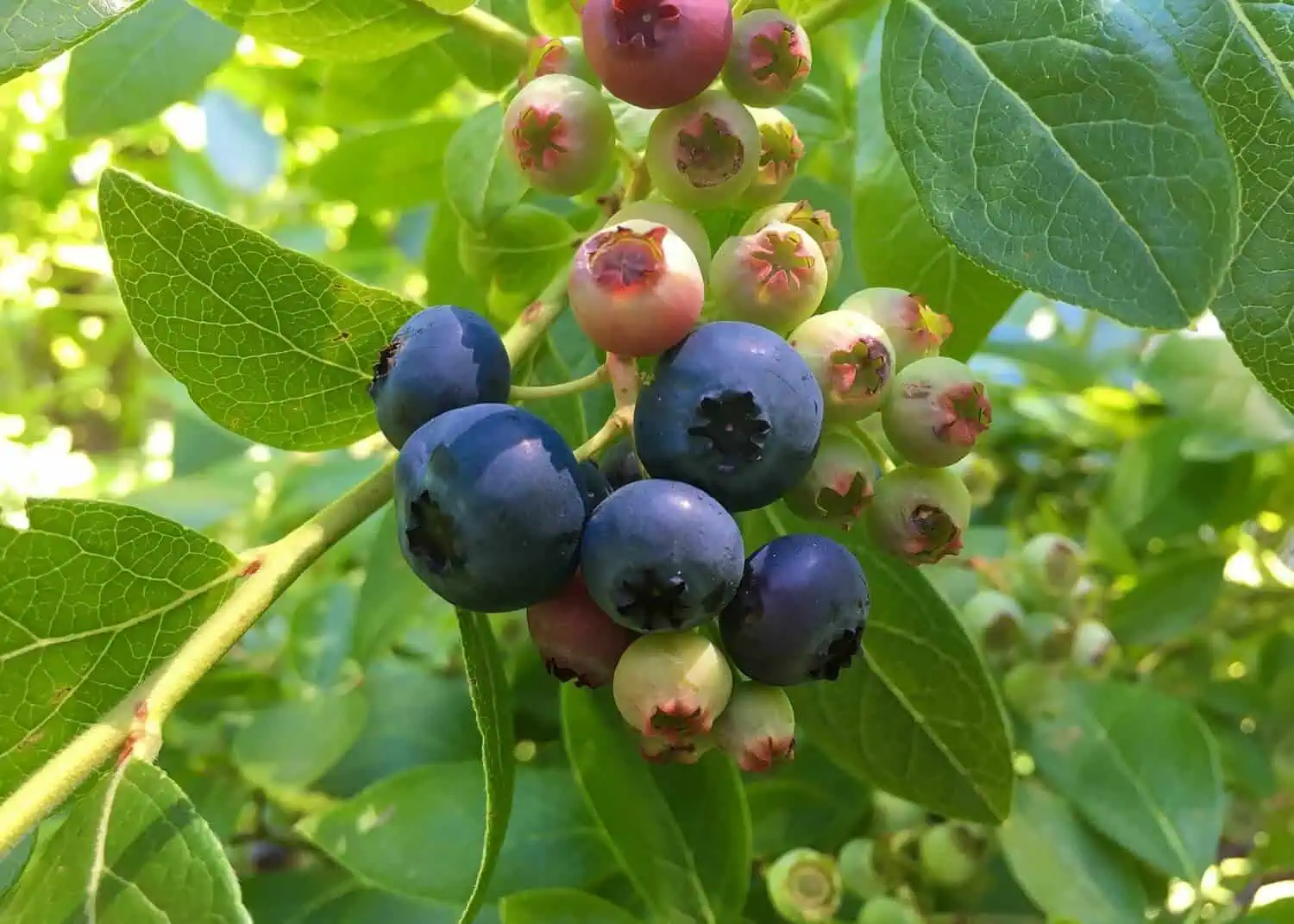
There are few things as comforting as walking into the garden on a warm summer morning, picking a handful of plump blueberries, and turning them into pancakes, muffins, pies, or simply enjoying them by the handful.
The only drawback with these plants is that they can take a long time to fruit and get to that exciting phase.
However, once established, a healthy bush can continue producing fruit for decades, making it one of the most worthwhile additions to a home garden.
Blueberry plants are perennial woody shrubs with multiple stems, often called canes, and a shallow, fibrous root system.
Every spring, new shoots emerge from buds at the crown of the plant, replacing older canes over time and keeping the bush productive.
During the growing season, the plant produces several flushes of new growth, especially around flowering, gradually developing into a dense shrub capable of carrying impressive crops of berries.
The good news is that growing blueberries isn't particularly difficult, especially if you possess the right information.
Get the basics right, and your bushes will reward you with beautiful spring blossoms, vibrant autumn foliage, and baskets of delicious berries year after year.
In this guide, I'll walk you through everything you need to know to grow a blueberry bush, from choosing the right variety to harvesting your sweetest crop yet.
Introduction to Blueberry Plants
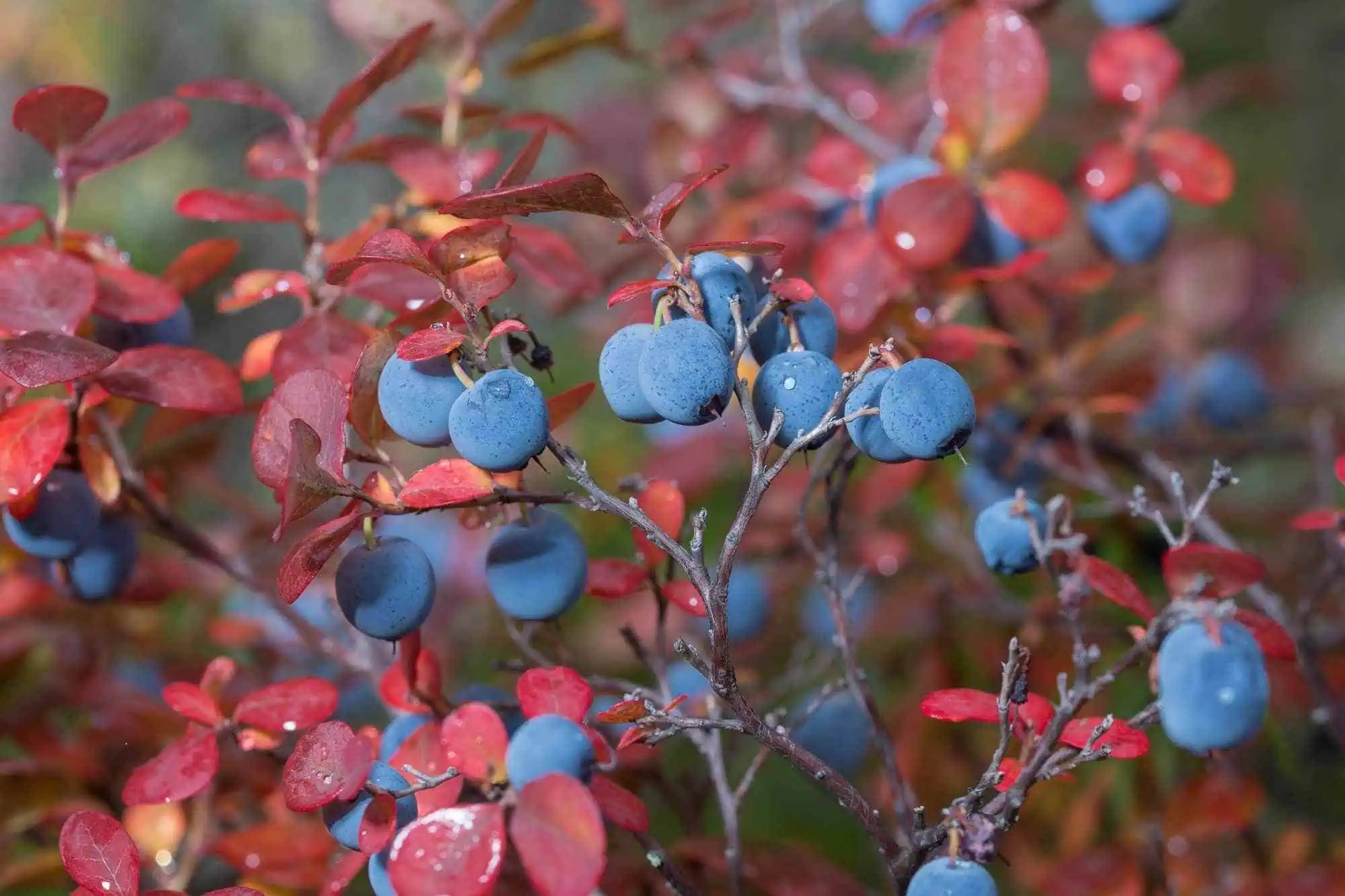
Photo: Cleyera via Getty Images
Blueberries grow differently from many other fruit plants, and understanding their natural habits makes caring for them much easier.
Instead of developing a single trunk like a tree, they grow as multi-stemmed shrubs. Over time, new canes emerge from the base while older stems gradually become less productive, creating a natural cycle of renewal. This growth habit is the reason regular pruning becomes so important as the plant matures.
Flowering begins in spring when clusters of delicate, bell-shaped white or pink flowers appear on one-year-old wood. Bees and other pollinators visit these blooms, transferring pollen from flower to flower.
Successful pollination allows each flower to develop into a berry that gradually changes from green to pink, then to its familiar deep blue.
Like many perennial fruit crops, blueberries take time to reach their full maturity. During the first year or two, most of the plant's energy goes into establishing roots and producing new shoots rather than fruit.
By the third or fourth year, harvests become more noticeable, and mature bushes often reach peak production between six and eight years of age. With proper care, many continue producing for 20 years or more.
One of the reasons blueberries are so popular is that they offer beauty throughout the seasons.
Spring flowers attract pollinators, summer brings delicious fruit, autumn foliage turns brilliant shades of red and orange, and even the bare winter branches add structure to the garden.
They're as ornamental as they are productive.
Blueberry Cultivars
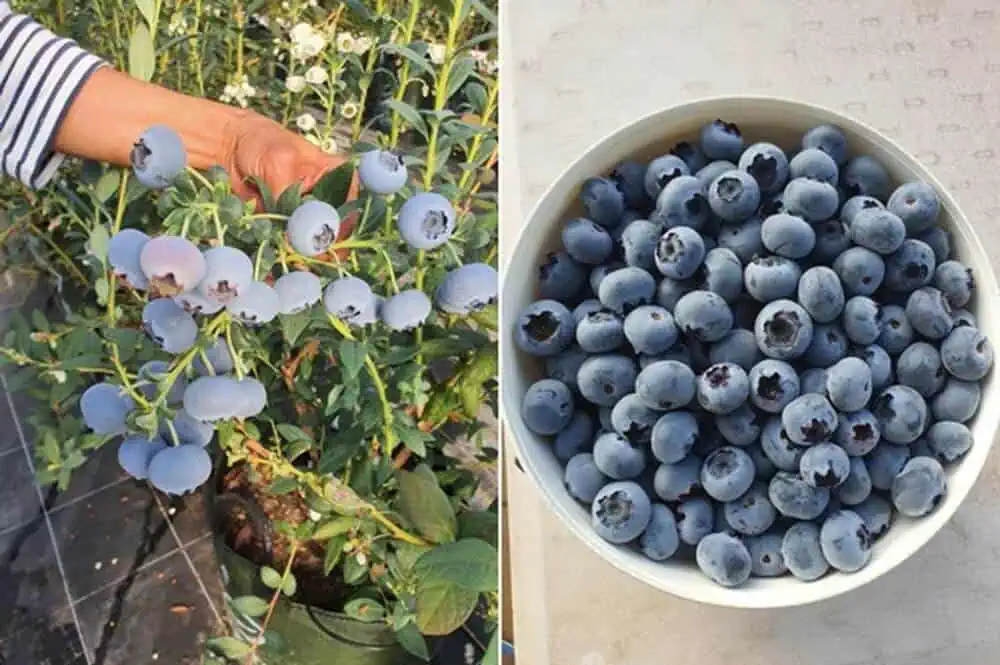
Not every blueberry variety thrives in every climate. Choosing the right cultivar is one of the biggest factors influencing long-term success.
Northern highbush blueberries
Northern highbush blueberry (Vaccinium corymbosum) is the most widely grown type, and for good reason.
Growing between 3 and 6 feet tall, it combines excellent cold hardiness with large, flavorful berries. While there are other blueberry groups suited to warmer or colder climates, northern highbush varieties remain the standard for many home gardeners.
They require a significant number of winter chilling hours before breaking dormancy and generally produce the largest berries.
Southern highbush varieties
They were developed for areas with milder winters.
Southern highbush cultivars require fewer chilling hours, flower earlier, and often ripen weeks ahead of northern types.
Rabbiteye blueberries
Rabbiteye re exceptionally vigorous and tolerate heat and drought better than many other blueberries.
They generally require cross-pollination with another rabbiteye variety to produce the best harvests.
Lowbush blueberries
They remain much shorter and spread naturally across the ground. They're commonly grown commercially in colder regions and produce intensely flavored berries, although the fruits are usually smaller.
You can find more tips and a list of specific varieties by checking out this resource.
Pro Tip: Whenever possible, plant at least two compatible cultivars that bloom around the same time. Although some blueberries are self-fertile, cross-pollination usually improves berry size, yield, and fruit quality by encouraging more complete fertilization.
Planting and Planting Requirements
Soil and Acidity
Blueberries have one major non-negotiable requirement that surprises most beginners: they need acidic soil.
While most garden plants prefer neutral conditions, blueberries naturally evolved in acidic woodland soils. They perform best when the soil pH stays between 4.5 and 5.5. If the pH climbs much higher, the roots struggle to absorb nutrients like iron, and the leaves often turn yellow despite regular fertilization.
Before planting, it's worth testing the soil. A simple soil test can reveal both pH and nutrient levels, allowing you to make adjustments before the bush goes into the ground.
Lowering soil pH often involves incorporating elemental sulfur several months before planting since it takes time to react in the soil.
In addition to soil acidity, blueberries need excellent drainage. Their shallow roots require moisture, but they dislike standing water.
Heavy clay soils often benefit from generous additions of organic matter such as pine bark, composted leaves, or peat moss to improve drainage and aeration.
Light Requirement
Choose a location that receives at least six to eight hours of direct sunlight every day. More sunlight generally translates into sweeter berries, stronger flowering, and healthier plants.
While blueberries tolerate partial shade, excessive shade usually reduces both yield and fruit quality.
Plant Spacing
Space bushes according to their mature size, typically 4 to 6 feet apart for highbush varieties.
Good spacing encourages airflow, helps leaves dry quickly after rain, and reduces the likelihood of fungal diseases.
Planting Blueberries in Containers
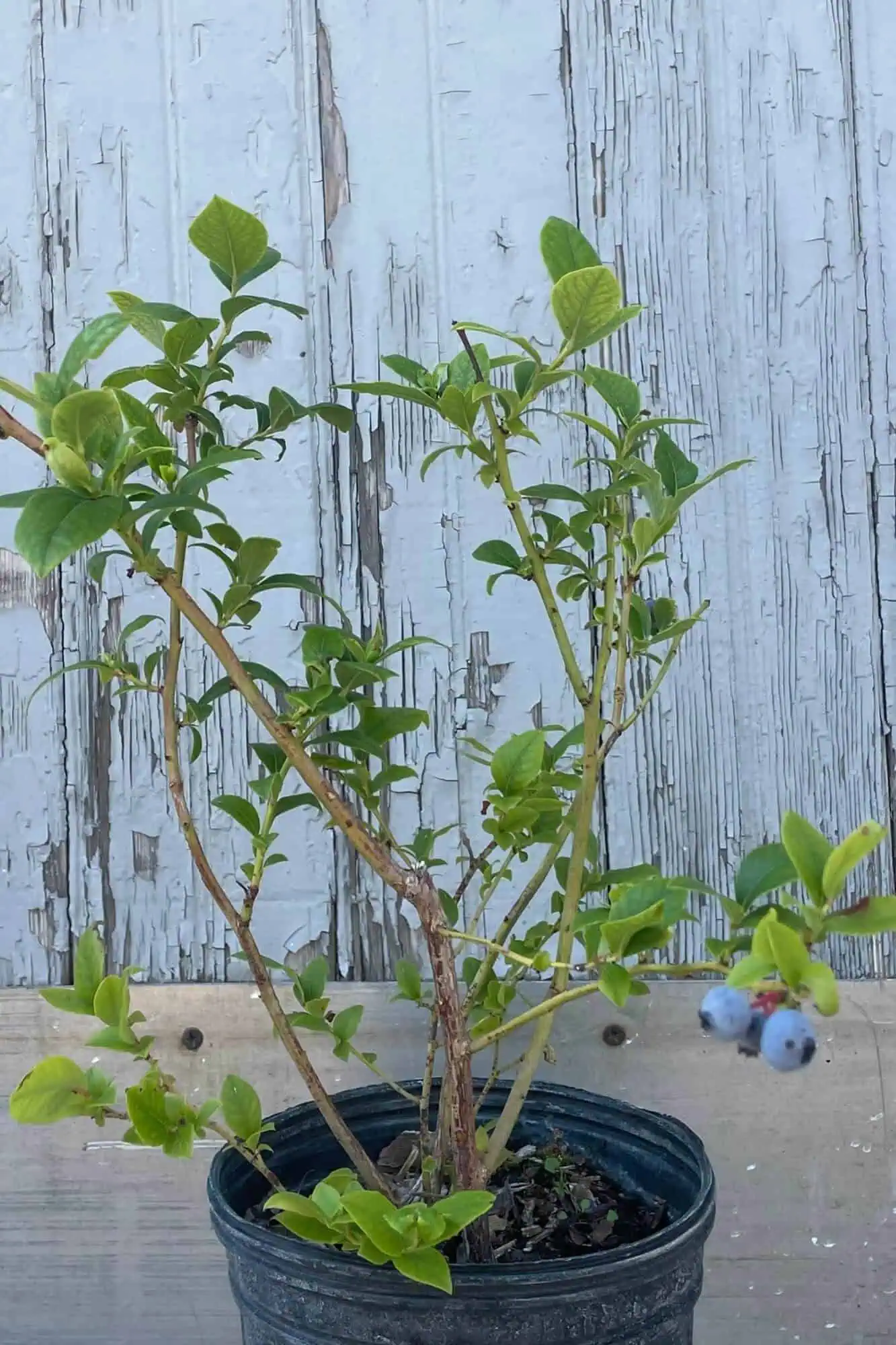
Now, I reckon not every one of us has the right garden conditions to establish the blueberry bushes.
Growing them in containers provides an excellent reprieve. Just make sure the containers are large enough and filled with acidic potting media. As a bonus, containers make it easier to maintain the proper soil pH throughout the life of the plant.
After planting (whether in the ground, raised beds, or containers), water thoroughly to settle the soil around the roots, then apply a generous layer of mulch while keeping it a few inches away from the stems, and you’re done!
Blueberry Bush Plant Care
Training and Pruning
Fruit is produced mainly on vigorous one-year-old shoots growing from healthy older canes. As canes age, they become less productive and produce smaller berries.
Therefore, during the first two years, remove flowers whenever practical, so the plant directs its energy toward root and shoot development.
This gives the plant a strong foundation.
Once established, prune during late winter while the bush remains dormant. Remove dead, damaged, crossing, or weak branches first. Then gradually remove one or two of the oldest canes each year to encourage vigorous new shoots from the base.
A well-pruned bush allows sunlight and air to reach the center, improving fruit quality while reducing disease pressure.
Fertilizer Application
Blueberries have relatively modest fertilizer needs, but they do appreciate regular feeding. Fertilizers formulated specifically for acid-loving plants usually provide the right nutrient balance while helping maintain soil acidity.
Apply fertilizer in early spring as new growth begins, followed by a lighter application after flowering. Avoid applying nitrogen late in the growing season because it encourages tender new growth that may be damaged by winter cold.
The most common sign of nutrient deficiency in blueberries is the yellowing of the leaves. On the flipside, yellow leaves with green veins often indicate iron deficiency caused by soil pH that's too high rather than a lack of fertilizer.
In such situations, correcting the soil acidity solves the underlying problem much more effectively than adding extra nutrients.
Watering
Consistent moisture is one of the biggest secrets to producing large, juicy blueberries. Because their roots remain close to the soil surface, they dry out much faster than deeper-rooted shrubs.
Aim to provide roughly 1 to 2 inches of water per week through rainfall or irrigation, especially while berries are developing. Deep, infrequent watering is generally more beneficial than frequent light sprinkling because it encourages moisture to penetrate the entire root zone.
Drip irrigation or soaker hoses work particularly well because they deliver water directly to the roots while keeping the foliage dry.
Mulching
Mulch might be the most valuable thing you can add after planting. A 2 to 4-inch layer of pine bark, pine needles, shredded leaves, or wood chips helps conserve soil moisture, suppress weeds, moderate soil temperatures, and gradually contributes organic matter as it decomposes.
Since blueberry roots grow very close to the surface, avoid cultivating deeply around the plants. Let the mulch do most of the weed control instead.
Pests and Diseases Monitoring and Management
Birds are often the biggest competitors when blueberries begin ripening.
If you've ever walked outside expecting a full harvest only to find empty stems, you'll understand why bird netting is such a valuable investment.
Other occasional pests include aphids, Japanese beetles, scale insects, and blueberry maggots. Regular inspection helps catch problems before they become severe. Healthy plants growing under good conditions are naturally more resilient than stressed ones.
Fungal diseases such as mummy berry, anthracnose fruit rot, powdery mildew, and stem cankers occasionally develop during prolonged wet weather. Proper spacing, annual pruning, good sanitation, and avoiding overhead watering all reduce disease pressure.
Physiological Disorders
Sometimes a blueberry bush struggles even though insects and diseases aren't present. These problems are known as physiological disorders because they're caused by environmental conditions rather than living organisms.
Poor fruit production often results from inadequate sunlight, insufficient pollination, or late spring frosts that damage flowers. Small berries may develop when plants experience drought during fruit development.
Leaf yellowing is commonly linked to alkaline soil that prevents nutrient uptake. Winter dieback may occur after unusually severe cold or when late-season fertilization stimulates tender growth before freezing temperatures arrive.
Fortunately, most physiological problems can be corrected by adjusting growing conditions rather than relying on chemical treatments.
Harvesting, Handling, and Storage
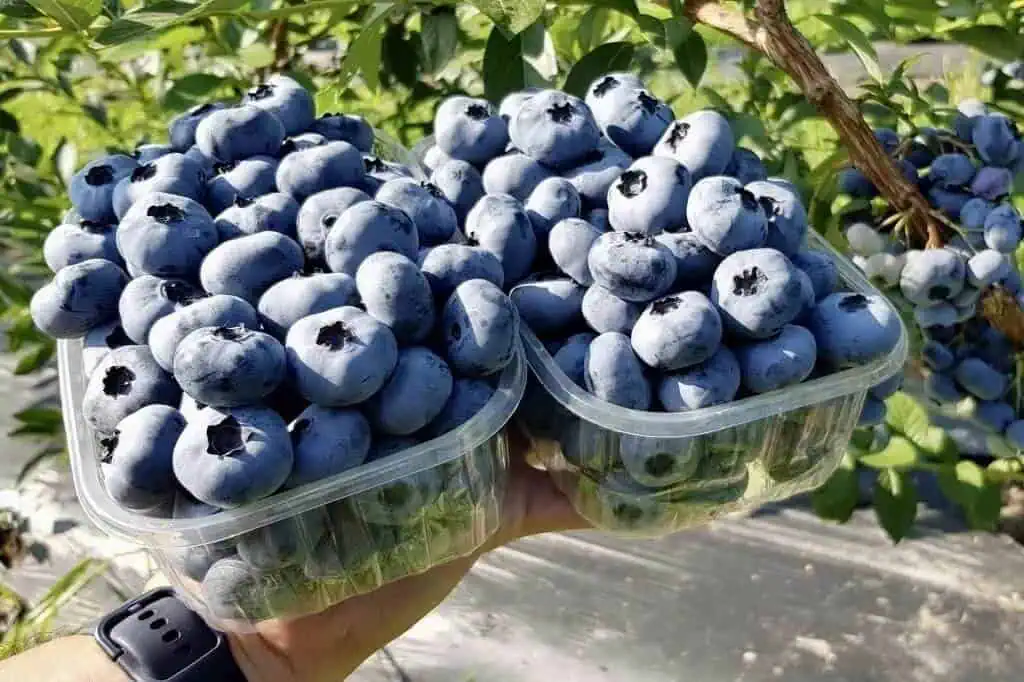
Photo: Dimeo Farms
One thing you should know is that Blueberries continue improving in sweetness for several days after turning blue, so resist the temptation to pick them immediately. Fully ripe berries detach easily with a gentle roll between your fingers.
Since berries don't ripen all at once, expect to harvest every few days over several weeks. Frequent picking also encourages you to collect berries at their peak flavor instead of waiting until some become overripe.
Fresh blueberries store remarkably well compared to many other berries. Refrigerate them without washing until you're ready to eat them, as excess moisture shortens storage life. Properly handled berries often remain fresh for one to two weeks.
If your bushes produce more fruit than you can use immediately, freeze the berries in a single layer before transferring them to freezer bags.
They'll retain much of their flavor, texture, and nutritional value, making them perfect for smoothies, muffins, pancakes, and homemade desserts throughout the year.
Conclusion
I believe that with this information, you’ll be able to incorporate blueberries in your orchard or start one without second-guessing yourself.
If you found this guide helpful, consider sharing it with fellow gardeners on Facebook.
And if you're planning your next garden project, save it to Pinterest so you'll always have these blueberry growing tips close at hand when the planting season arrives.
Featured Photo: Guildford Garden Centre