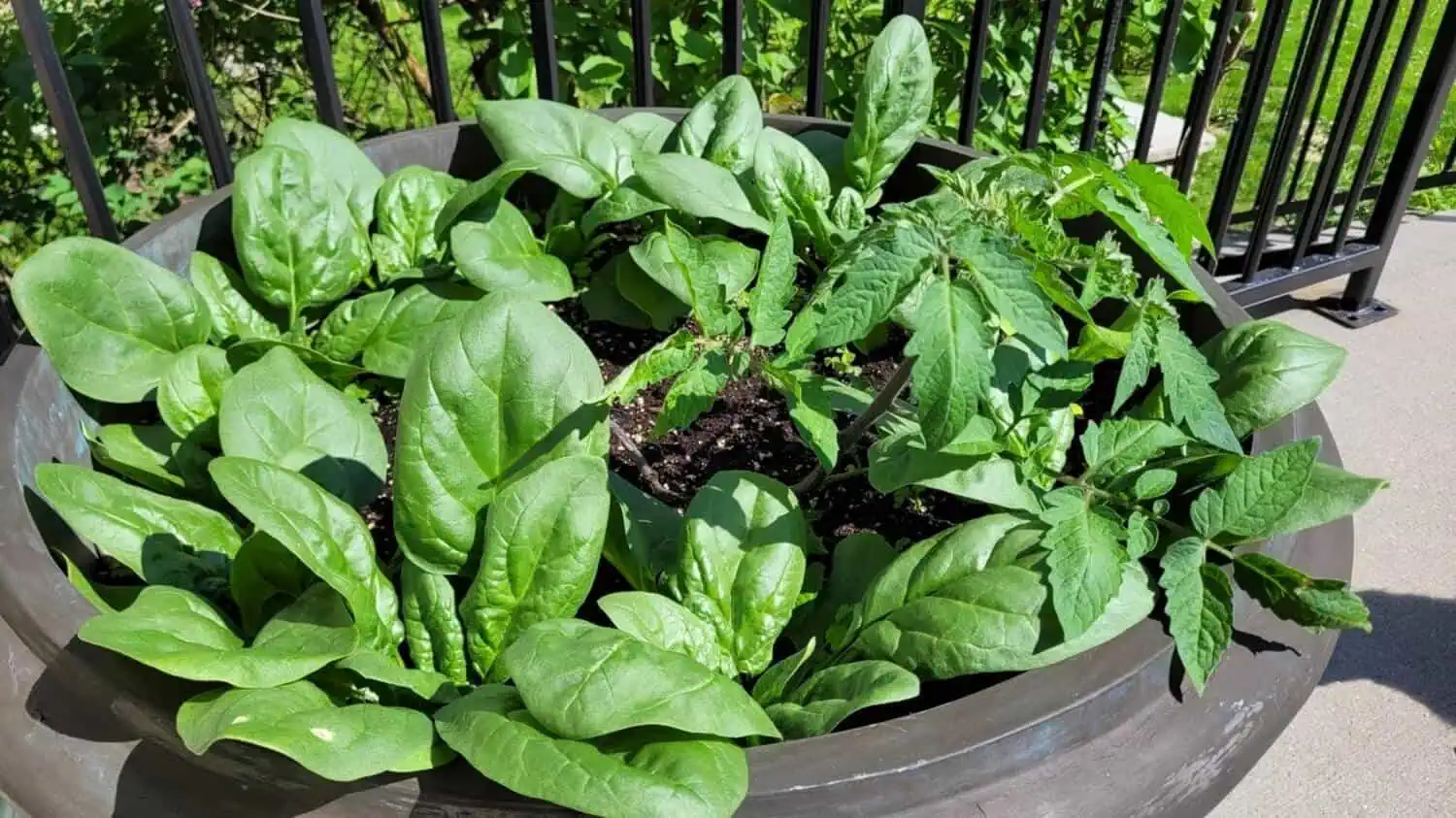
If there’s one leafy green that deserves more love from home gardeners, it’s spinach. It grows fast, doesn’t need much space, and packs a serious nutritional punch.
I first started growing spinach when I ran out of room in my small backyard garden. I figured, “Why not try a pot?” To my surprise, those little containers produced lush, tender leaves that kept coming week after week.
Whether you’ve got a sunny balcony, a windowsill, or just a small patio, growing spinach in pots is totally doable and, honestly, it’s kind of fun.
Let’s get started.
How to Grow Spinach in Pots (13 Practical Tips)
1. Choose the Right Variety
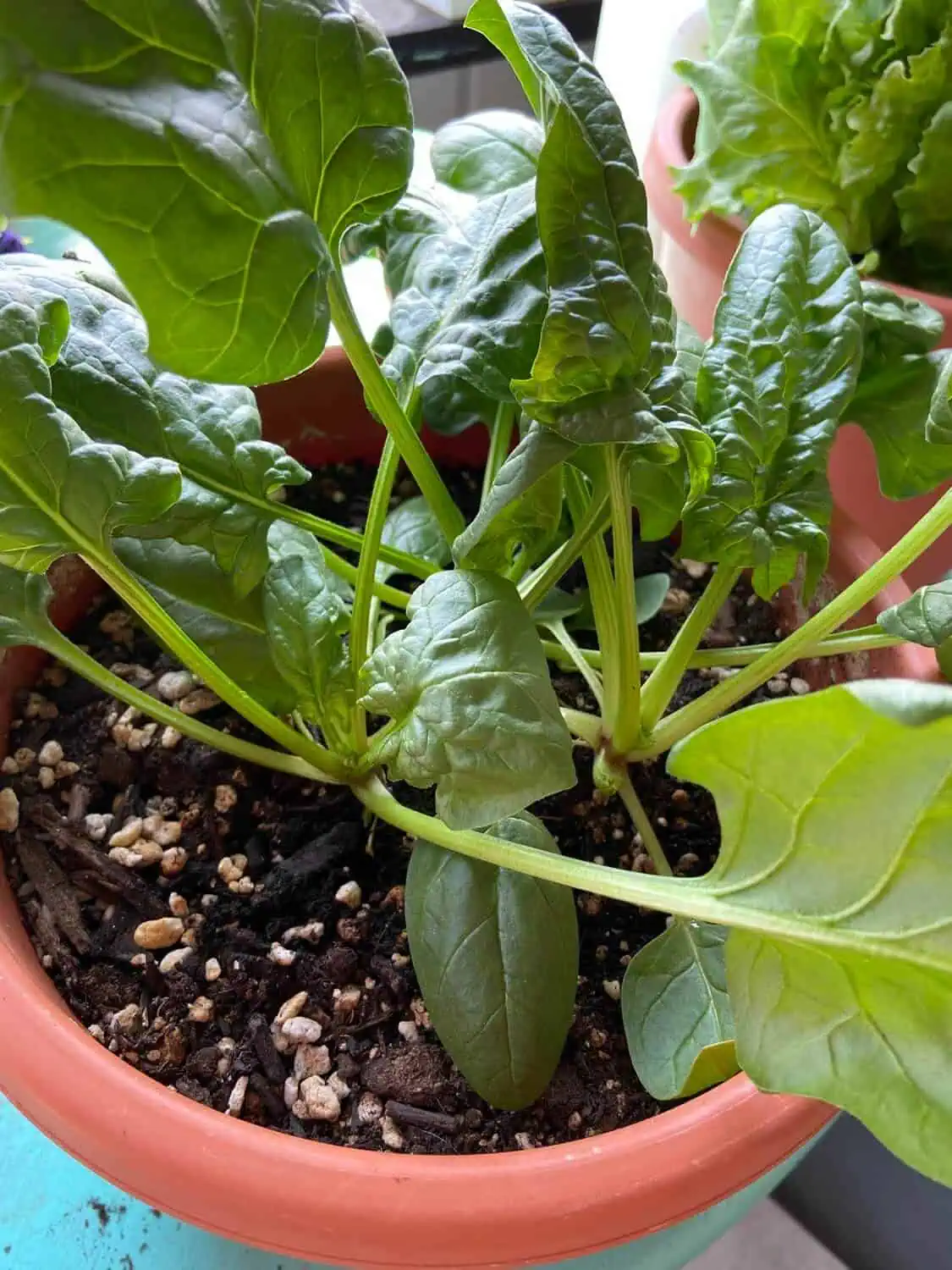
Not all spinach varieties are created equal. Some handle heat better, while others thrive in cool weather.
For pots, look for compact or “baby leaf” varieties like ‘Bloomsdale,’ ‘Space,’ or ‘Baby’s Leaf Hybrid.’
These tend to have shallower root systems and produce tender leaves perfect for salads. If you live in a warmer area, try New Zealand spinach or Malabar spinach. They’re technically not true spinach, but they taste similar and handle heat well.
2. Pick the Perfect Pot
Spinach doesn’t have deep roots, so you don’t need a massive container. A 6–8-inch deep pot is plenty. What matters more is the width; the wider the pot, the more plants you can grow.
Make sure your container has drainage holes. Spinach hates sitting in soggy soil. If water pools at the bottom, your plants will sulk and eventually rot.
I learned that the hard way when I used a decorative pot with zero drainage. Don’t repeat that mistake.
3. Use Quality Potting Mix
Don’t just scoop soil from your garden; it’s usually too heavy and can harbor pests. Instead, go for a well-draining potting mix rich in organic matter.
A simple blend of compost, peat moss (or coco coir), and perlite works beautifully. Spinach loves slightly neutral to mildly acidic soil (pH 6.0–7.0). If you’re unsure, you can grab a cheap soil test kit online to check.
4. Give It Enough Sunlight
Spinach prefers cool weather and partial sun.
About 4–6 hours of sunlight per day is perfect. If you live in a hot region, give your pots a break from the afternoon sun by moving them to a slightly shaded spot.
Too much heat can cause spinach to bolt, which is when it sends up a flower stalk and stops producing tasty leaves. Once it bolts, the leaves turn bitter, so keeping it cool is key.
5. Water Consistently (But Don’t Overdo It)
Here’s the thing about spinach: it’s picky about moisture. It loves evenly moist soil but despises soggy roots. Aim to water when the top inch of soil feels dry.
A good rule of thumb: deep watering twice a week during cool weather, and more often when it’s hot or windy. Self-watering pots can be a lifesaver if you’re the forgetful type (guilty as charged).
6. Feed Your Spinach Regularly
Spinach is a heavy feeder, meaning it uses up nutrients fast. I like to mix slow-release organic fertilizer into the soil before planting.
Then, once the plants start growing, I supplement with a liquid fertilizer (like fish emulsion or seaweed extract) every couple of weeks.
Besides, Nitrogen-rich fertilizers help spinach produce lush green leaves.
7. Thin Out the Seedlings
Once your seeds sprout (usually in 5–10 days), resist the temptation to keep them all. Overcrowded plants will compete for nutrients and light. Thin them to about 3–4 inches apart.
It feels harsh to pull out those baby plants, but trust me, your remaining spinach will thank you by growing bigger and healthier.
8. Keep Pests at Bay
The most common culprits?
Aphids, leaf miners, and slugs. You can prevent most infestations by keeping your pots clean and removing dead leaves regularly.
Here’s a great guide on how to get rid of aphids permanently.
If you notice holes or sticky residue, spray the leaves with a mild soap-and-water solution or neem oil. Fun fact: a 2021 study published in Science Direct found neem oil to be 95% effective against common leafy crop pests.
It’s one of the best natural pest repellents out there.
9. Mulch for Moisture and Cool Roots
Adding a thin layer of mulch (like shredded leaves or straw) helps keep the soil cool and moist. It also prevents weeds and reduces how often you have to water.
I started mulching my spinach pots last year and was shocked at how much longer they lasted before bolting.
Sometimes, it’s the small changes that make the biggest difference.
10. Harvest the Right Way
Don’t yank the whole plant out; harvest the outer leaves first once they’re about 3–4 inches long.
Leave the inner leaves to keep growing.
This “cut-and-come-again” method can give you several harvests from a single planting. I once kept a pot of spinach going for nearly two months just by snipping leaves regularly.
11. Watch for Bolting Signs
When days get longer and temperatures rise above 75°F (24°C), spinach often bolts. You’ll notice a tall flower stalk forming in the center.
If that happens, harvest the remaining leaves right away; they’ll turn bitter fast. You can also try growing bolt-resistant varieties like ‘Tyee’ or ‘Bloomsdale Long Standing.’
12. Try Successive Planting
Instead of planting all your seeds at once, sow a new batch every 2–3 weeks. This way, you’ll have a steady supply of fresh leaves instead of one big harvest.
I call this the “never-ending spinach” trick. It keeps salads exciting and means you’ll never run out of greens for smoothies or stir-fries.
13. Give It a Cool Down
If you live in a warm region, spinach may struggle during peak summer. Move your pots to a shadier spot, or even indoors near a sunny window.
Some gardeners extend the season using shade cloth to keep the temperature down a few degrees.
A 5–10°F difference can mean the difference between thriving spinach and a sad, wilted bunch.
Conclusion
Growing spinach in pots is one of those simple joys that makes you feel like a gardening genius, even if you’re short on space or experience.
It’s forgiving, fast-growing, and ridiculously rewarding.
Plus, there’s nothing quite like harvesting fresh spinach for your breakfast omelet or salad. Once you’ve tasted the homegrown kind, you’ll never look at store-bought spinach the same way again.
Featured photo: Food Forest Living