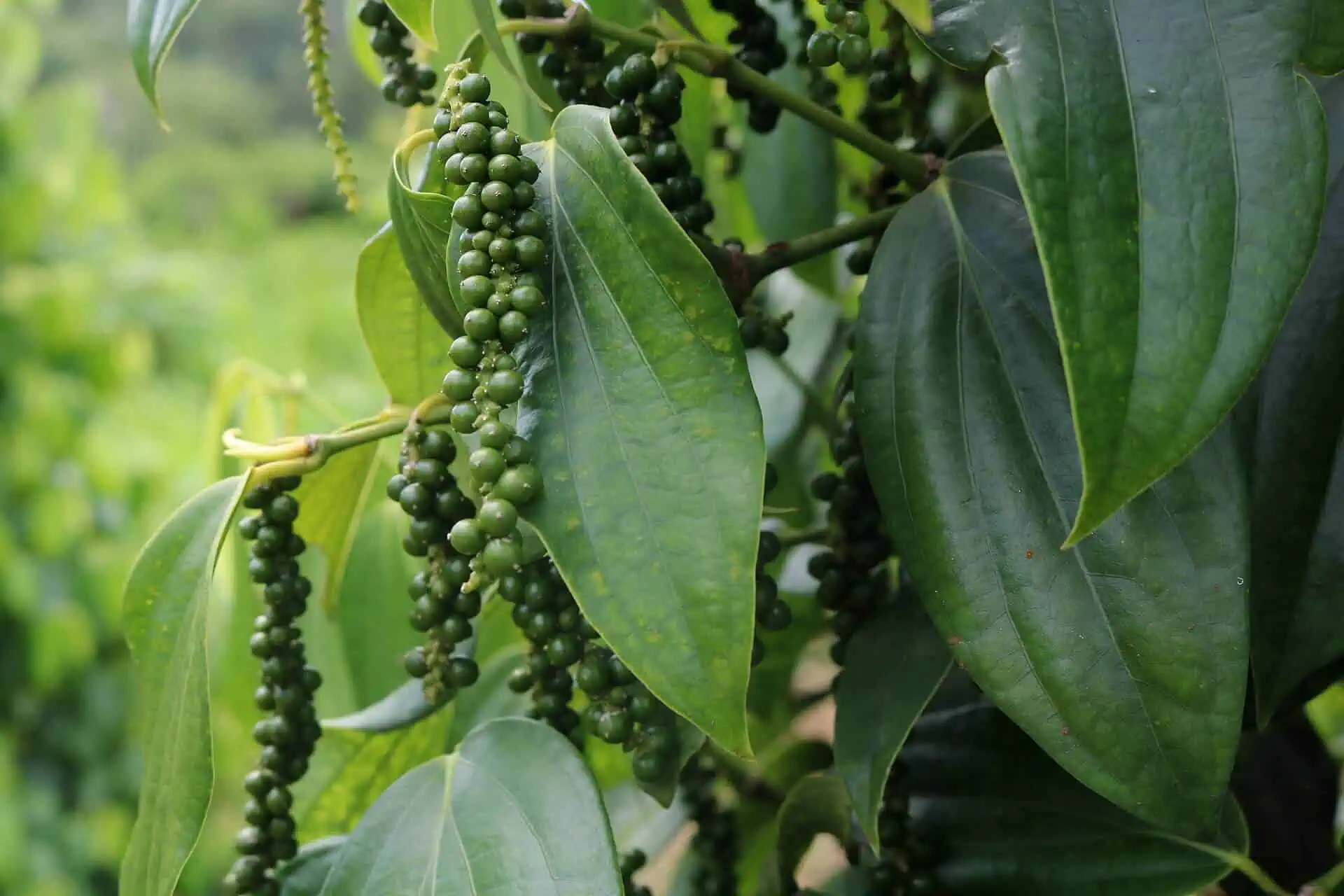
Most people I talk to don’t believe that you can grow the ‘king of spices’ in their homes – black pepper. But the truth is, it’s quite possible.
However, your climate plays a major role in deciding the growing medium.
Ideally, black pepper thrives outdoors year-round in warm, humid climates roughly equivalent to USDA zones 10 to 12. In cooler regions, it’s usually grown in pots and brought indoors when temperatures drop.
The good news is that container growing works surprisingly well. In fact, many gardeners prefer it because they can better control humidity, drainage, and temperature.
The catch is patience.
Black pepper is not a fast-reward plant. It often takes three to five years before producing peppercorns. That sounds long until you realize many fruiting plants take time, too. A young mango tree doesn’t rush. Neither does pepper.
Still, even before it fruits, the plant can be an exciting ornamental vine.
Here’s how to grow and care for it successfully, whether you’re planting it outdoors in the tropics or coaxing it along indoors beside a bright window.
Black Pepper Plant Profile
Black pepper comes from Piper nigrum, a tropical flowering vine native to India’s Malabar Coast. It belongs to the pepper family, Piperaceae, and can grow more than 30 feet long in ideal outdoor conditions.
The peppercorns we cook with are actually dried berries.
The color depends on when they’re harvested and how they’re processed. Black peppercorns are picked while still green and dried until they wrinkle and darken. White peppercorns are fully ripened berries with the outer layer removed. Green peppercorns are harvested young and preserved before drying darkens them.
That alone changes how many people think about pepper. It’s not a seed in the traditional sense. It’s fruit.
In tropical regions, black pepper is often grown alongside trees or tall supports because it naturally climbs upward in search of filtered forest light.
Understanding where a plant comes from is half the battle. A rainforest vine won’t behave like rosemary or lavender, and expecting it to often leads to disappointment.
How to Grow the Black Pepper Plant (Starting the Seedlings)
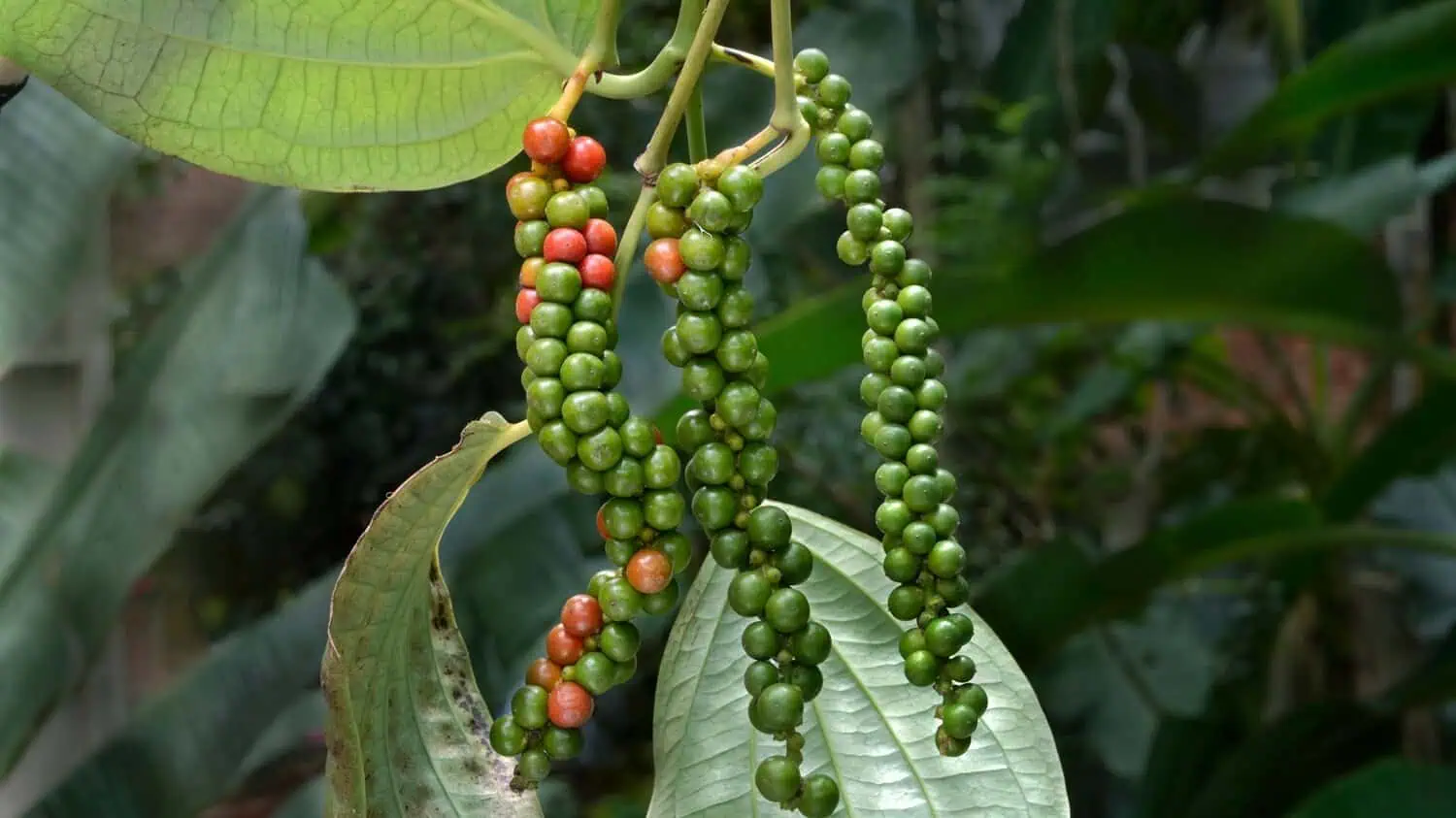
Photo Credit: Adobe Stock
There are a few ways to start black pepper, though some are far more practical than others.
Growing Black Pepper from Seed
Technically, you can grow black pepper from fresh viable seeds, but grocery store peppercorns usually won’t germinate because they’ve been dried and processed.
Fresh seeds are also notoriously slow and inconsistent.
That’s why most home growers skip this route unless they have access to freshly harvested berries.
Growing From Cuttings
Stem cuttings are far easier and much more reliable.
A healthy cutting with a few leaf nodes can root in a moist growing medium under warm, humid conditions. Many nurseries sell rooted starter plants, too, which removes much of the guesswork.
Honestly, buying a young plant is often the smartest move. It turns a multi-year waiting game into a shorter one.
Planting Black Pepper in Containers
Container growing gives you control, which black pepper appreciates.
Start with a pot that has excellent drainage holes. Terracotta works, though plastic containers retain moisture longer and may help in dry climates.
Don’t immediately place the plant in an oversized pot. Huge containers hold excess moisture around young roots, and that can lead to rot.
As the vine grows, provide support early. Bamboo stakes, moss poles, trellises, or even small arches work well.
And this part is quite vital: black pepper climbs using aerial roots. It wants something textured to grip. A smooth metal pole isn’t nearly as inviting as a bark, coir, or moss pole.
Choosing the Right Soil/Potting Mix
Black pepper hates soggy roots. The ideal soil is loose, rich, and well-draining. A chunky mix works better than dense garden soil.
A good container mix might include:
- High-quality potting soil
- Compost or worm castings
- Coco coir or peat moss
- Perlite or orchid bark for drainage
The goal is moisture retention without waterlogging. Imagine a wrung-out sponge. Damp but airy.
How to Care for Your Black Pepper Plant
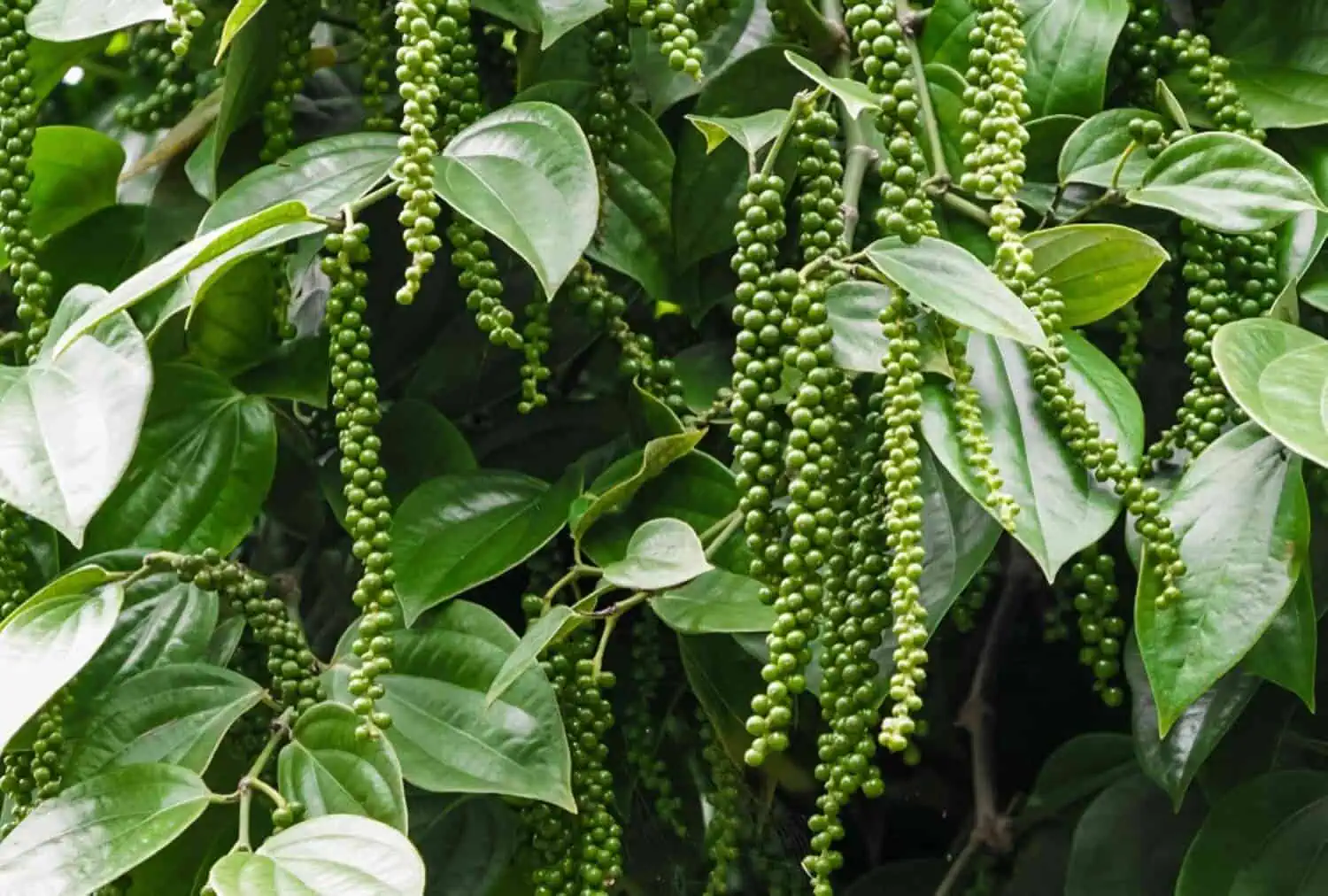
Photo Credit: The Spruce
Light Requirement
Black pepper loves bright, indirect light. Think filtered jungle sunlight streaming through taller trees.
Outdoors, partial shade works beautifully. Indoors, an east-facing window is often ideal. South-facing windows can work too if the light is softened with sheer curtains.
Too much harsh afternoon sun scorches the leaves. Too little light leads to weak growth and leggy vines.
One useful clue is the leaf color. Healthy black pepper leaves look deep green and glossy. Pale or yellowing leaves often point to lighting issues, watering stress, or nutrient deficiencies.
Temperature
This is a true tropical plant. It prefers temperatures between 75°F and 85°F.
Once temperatures consistently dip below 60°F, growth slows noticeably. Cold drafts can stress the plant quickly, especially indoors near air conditioners or winter windows.
If you live somewhere with cold winters, think of black pepper as a seasonal migrant. It can enjoy warm months outdoors, then retreat inside before chilly nights arrive.
Humidity
Humidity is usually the make-or-break factor.
Black pepper prefers humidity levels above 50%, and it really thrives closer to 70%. Dry indoor air, especially during the winter heating season, often causes brown leaf edges and stalled growth.
A pebble tray helps. So does grouping plants. Humidifiers work best if the air in your home is especially dry.
Some people even grow black pepper successfully in bright bathrooms because the moisture levels stay naturally high.
Watering
I’ve seen gardeners water tropical plants every single day out of fear they’ll dry out, only to end up with yellow leaves and mushy roots. The plant begins to decline slowly, almost quietly.
Instead, check the soil first.
Water thoroughly when the top inch feels slightly dry. Then allow excess water to drain completely.
During active summer growth, you’ll probably water more often. In cooler months, the plant usually needs less.
If the leaves droop slightly but recover after watering, the plant was definitely thirsty. If leaves yellow while the soil stays wet, you’re likely overwatering.
Feeding the Plant (Fertilizer Application)
You need to feed your pepper plants with a proper fertilizer during their active growing phase.
A balanced liquid fertilizer every four to six weeks during spring and summer usually works well. Organic options like fish emulsion, compost tea, or seaweed fertilizer are also popular among growers.
Too much fertilizer can create lots of leafy growth but fewer flowers and peppercorns. During winter, reduce feeding significantly since growth naturally slows.
Supporting Healthy Vine Growth
A mature black pepper plant wants to climb. If it can’t, growth often becomes tangled and awkward.
In commercial pepper farms, vines climb living trees or tall posts. At home, a sturdy moss pole often works best because it mimics the moisture-retaining surfaces found in tropical forests.
As the vine grows, loosely guide stems toward the support.
Don’t force sharp bends or tightly tie stems down. Young vines are flexible, but aggressive handling can snap them surprisingly easily.
Pruning also helps shape the plant and encourages fuller growth. Remove dead or weak stems and lightly trim overly long vines if needed.
Harvesting Black Pepper
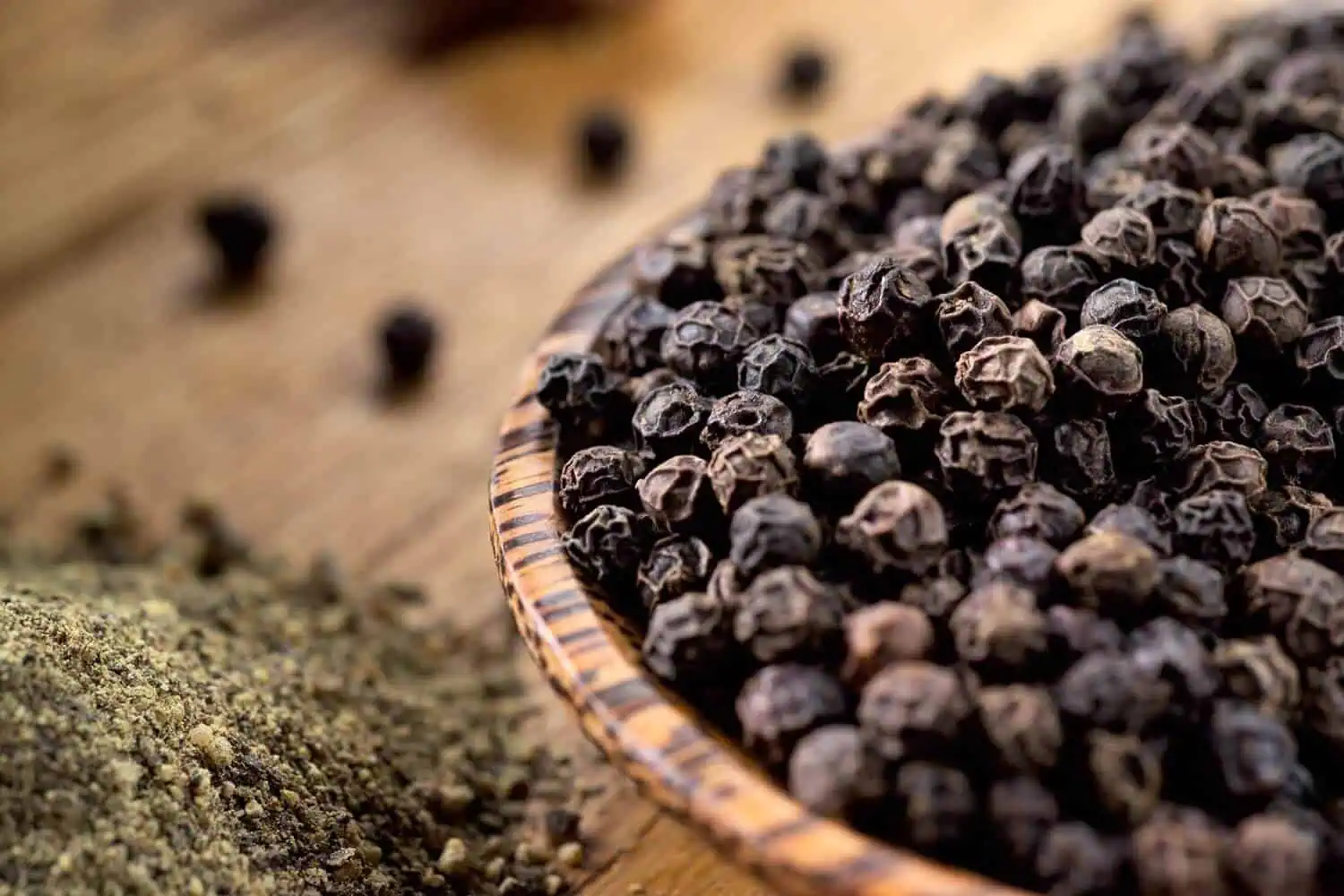
Photo: iStock
Timing changes the flavor and type of pepper you get.
For black peppercorns, harvest berries when they’re mature but still green and just beginning to blush red. After harvesting, they’re briefly blanched in hot water and dried until black and wrinkled.
For white pepper, allow berries to fully ripen red before soaking and removing the outer skin. Green peppercorns are harvested immature and preserved quickly to maintain color and flavor.
Fresh peppercorns taste brighter and more complex than the pre-ground stuff that’s been sitting in a cabinet for two years. The aroma alone surprises people.
Common Problems and How to Fix Them
Like most tropical plants, black pepper gives warnings before things become serious.
Yellow Leaves
This often points to overwatering, poor drainage, or nutrient deficiencies.
Check soil moisture first. If the soil feels constantly wet, ease up on watering and improve drainage.
Brown Leaf Edges
Dry air is usually the culprit.
Increase humidity and keep the plant away from heaters or strong drafts.
Slow Growth
Low light, cool temperatures, or insufficient feeding commonly slow the plant down.
Sometimes the answer is simply patience. Tropical vines don’t sprint through winter.
Pests
Spider mites, mealybugs, and scale insects occasionally appear indoors.
A gentle insecticidal soap or neem oil treatment usually works if caught early. Regularly checking the undersides of leaves helps prevent infestations from getting out of hand.
When to Expect the Peppercorns?
Under good conditions, black pepper plants typically begin flowering after three to five years. Tiny white flowers appear in hanging spikes, followed by clusters of green berries.
Those berries eventually become peppercorns.
Warm temperatures, high humidity, and consistent care all influence flowering. Indoor plants sometimes take longer because conditions aren’t as stable as tropical outdoor environments.
Conclusion
There’s something I love about growing black pepper. And that’s even if the peppercorns delay, you still have a gorgeous ornamental vine that boosts your home’s curb appeal.
In such a case, the yield is kinda of a bonus.
If you enjoyed this guide, share it with fellow plant lovers on Facebook or Pinterest. Someone out there is probably staring at a jar of peppercorns right now without realizing they could grow them at home.
Whichever way, I appreciate your time.