I’m a big fan of spending most of my sunny and slow afternoons in the backyard. It’s private, has good shade, and lots of fresh air. However, all those great things are only possible when the backyard is well cared for.
And here’s the interesting part: a shady backyard might be good for filtering the sun so that you enjoy the cool air outdoors. But it also means vegetation rarely establishes well, creating bare patches of dirt.
The sad part is that when it rains, the backyard turns muddy, dusty in dry weather, and somehow ends up tracked into the house, no matter how careful people are. Live in an area where the soil is heavy and deep red, and things get even worse.
That’s why it makes sense to explore ways to cover dirt in your backyard.
Some backyards need soft greenery, others need durable gravel, and some just need a combination of both because kids, dogs, shade, and drainage all complicate things.
In today’s guide, I’ll discuss how to cover dirt in your backyard without spending a fortune. Let’s begin.
6 Cheap Ways to Cover Dirt in Your Backyard
Covering with Mulch
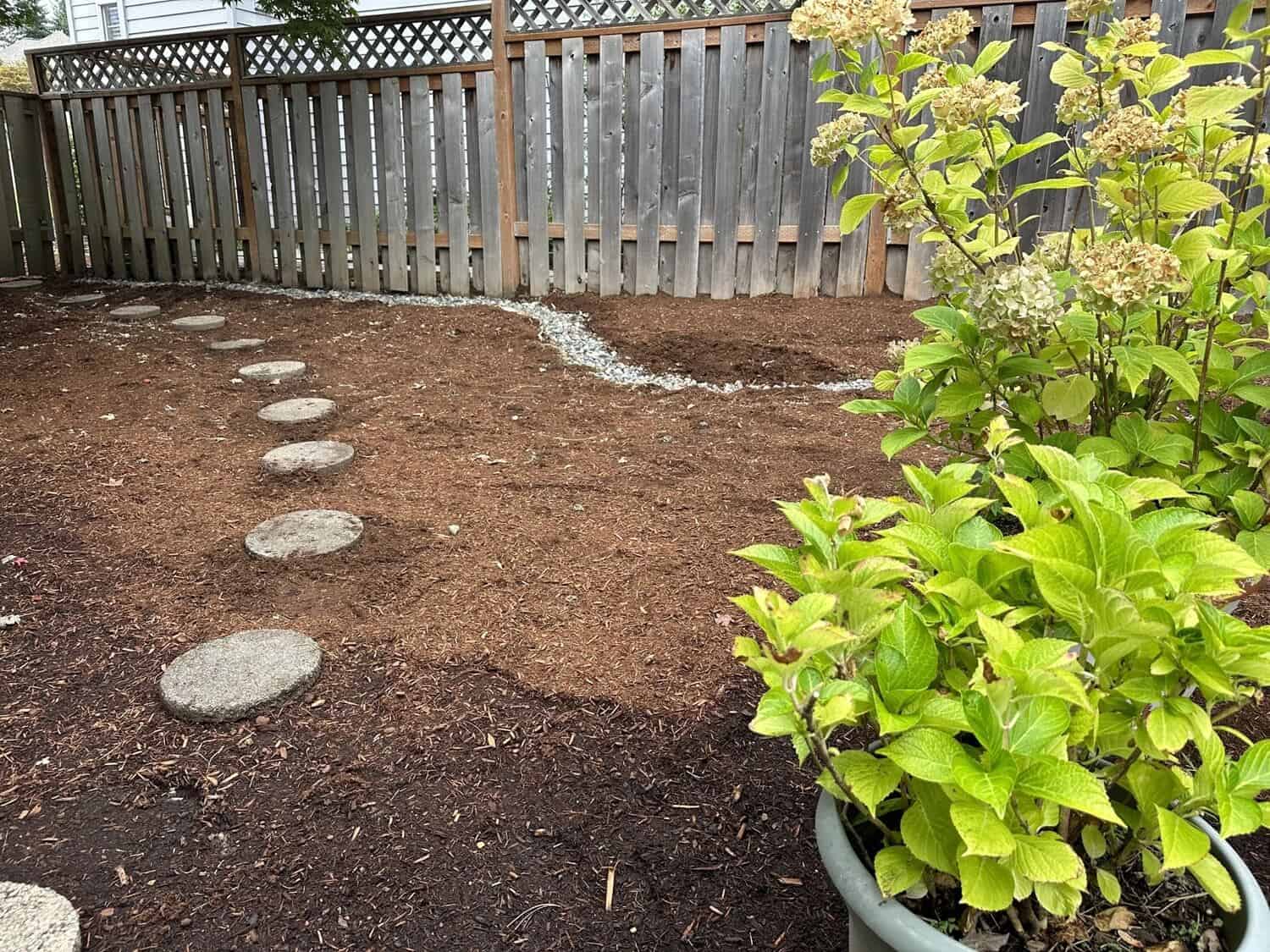
Photo: rachelbalmforth.com
Mulching is probably the most common way to cover shaded backyards because it’s quick, relatively affordable, and forgiving for beginners. You just need enough covering material and spread it evenly with a rake.
Organic mulches like shredded bark, wood chips, pine needles, or cedar work especially well around trees, flower beds, and fence lines.
Mulching has several benefits, including softening hard architectural lines and making hard edges disappear.
When spreading the mulch, aim for about 2 to 4 inches deep, depending on the material. And keep it slightly away from tree trunks and plant stems because piled-up mulch can trap moisture and encourage rot.
Pro tip: Fresh mulch has a habit of spreading everywhere at first through the shoes, dog scattering, and kids playing with it. Therefore, give the backyard at least a week for the mulch to settle before allowing activity.
Gravel for high-traffic areas
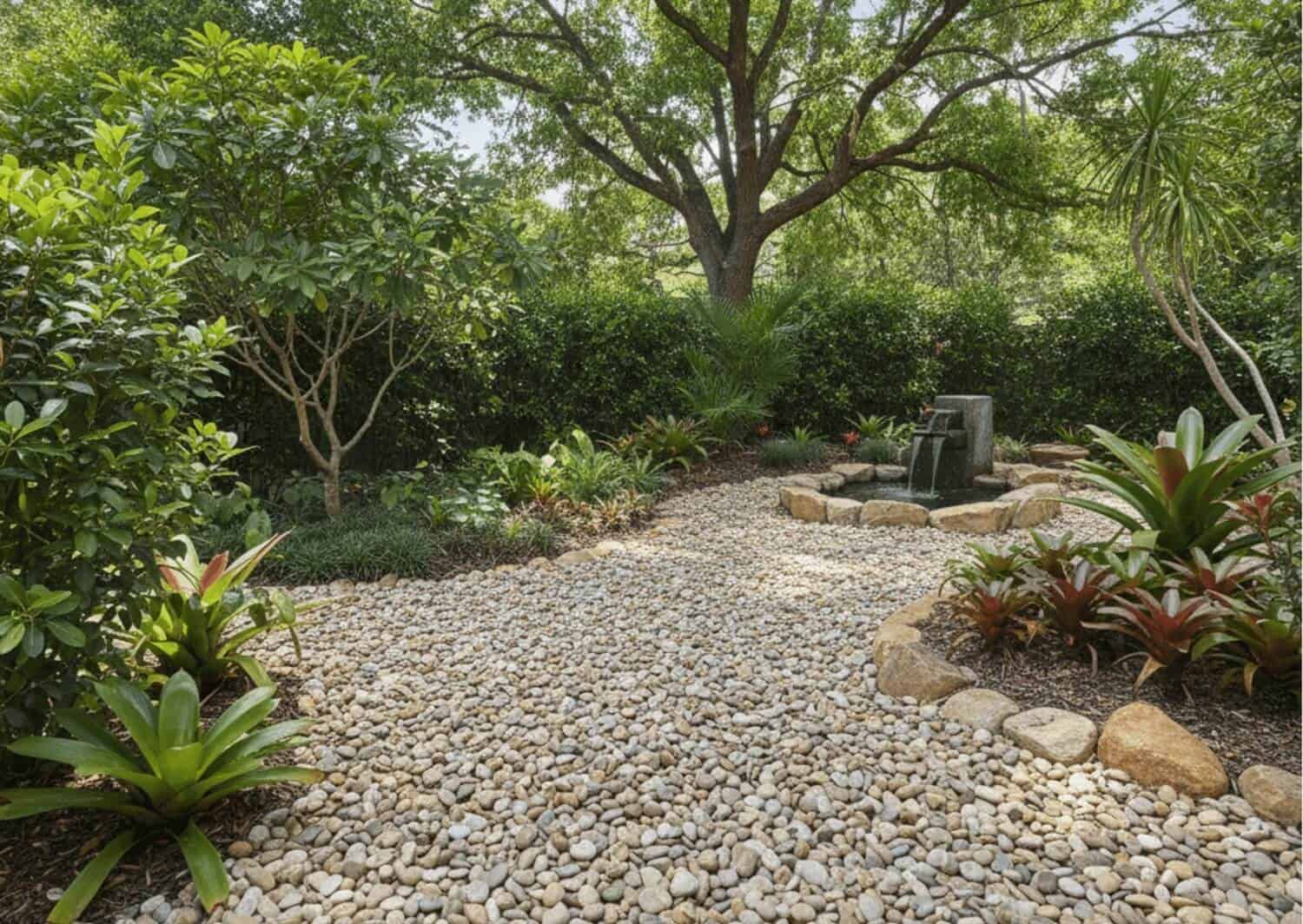
Photo: landscapecity.com
Some areas in the backyard receive more foot traffic than others. With so much activity, most lawns become exhausted, exposing bare patches of dirt. While you can always reseed those areas, gravel provides a more permanent solution.
But not all gravel provides the same effect.
For instance, pea gravel creates a softer, cottage-garden feel. Crushed stone looks cleaner and more modern. Decomposed granite gives a warm, natural texture that almost resembles packed earth, only prettier and far less messy.
On the flipside, gravel will allow weeds to grow through after a while, creating the need to keep pulling them out.
To solve that inconvenience, landscape fabric is often used to slow down the weeds, although opinions on fabric are surprisingly heated in gardening circles. Some people swear by it while others are skeptical.
Whichever you prefer, the key is to apply the gravel densely enough to discourage the weeds altogether, and the foot traffic will do the rest.
Pro Tip: Make sure you have an edge or border in place when applying gravel to cover the dirt. Because without some kind of border, gravel slowly migrates across the yard. Metal edging, brick borders, large stones, or even pressure-treated wood can keep everything contained.
Planting Ground Covers
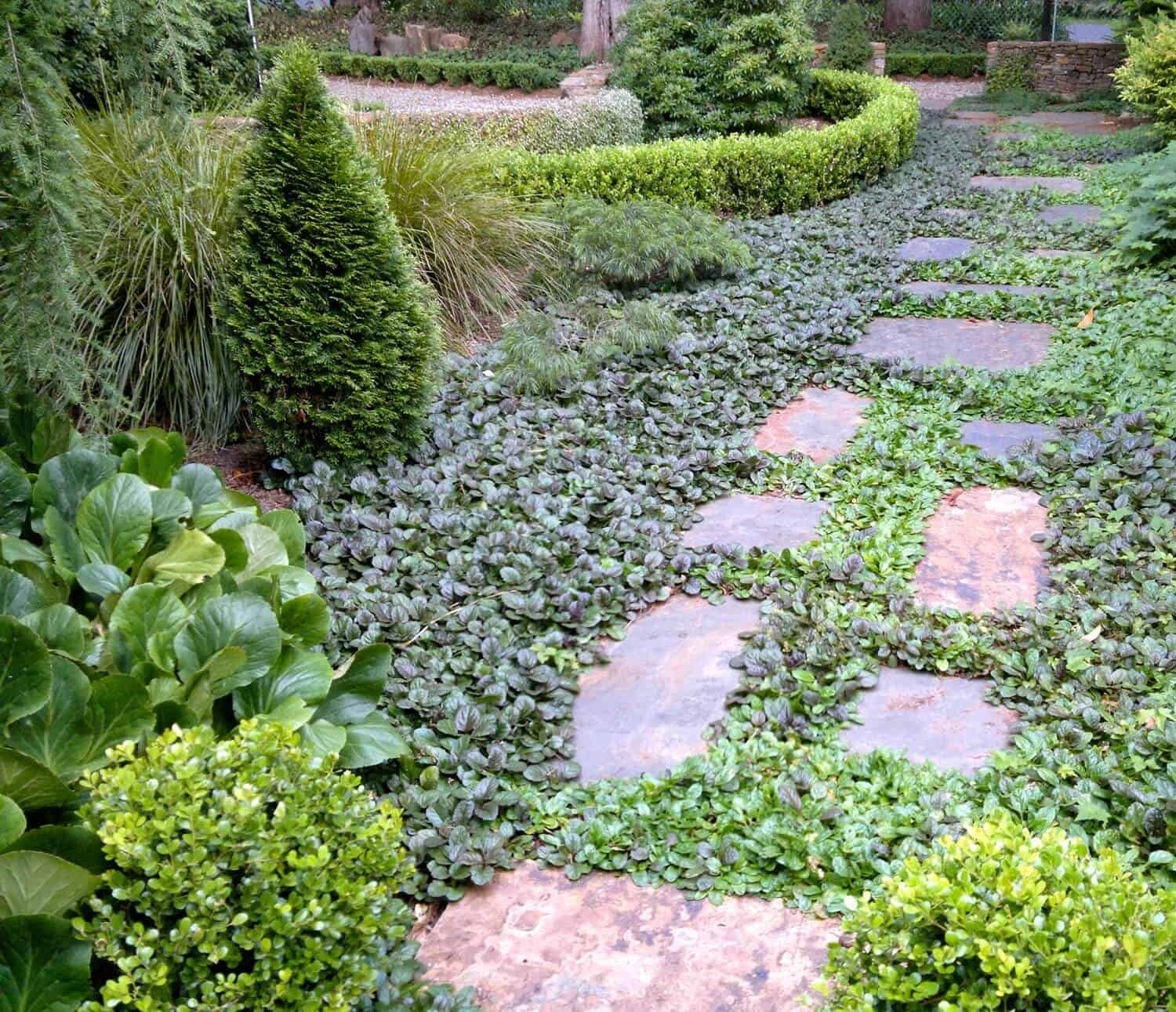
Photo: Arthur Lathouris Garden Designer via Houzz
Ground covers are often easier and more interesting. Creeping thyme, clover, mondo grass, ajuga, Irish moss, and creeping Jenny can cover bare dirt beautifully while adding texture and color.
Clover lawns, in particular, have recently become popular. They stay greener during drought, need less mowing, attract pollinators, and help to naturally fix nitrogen into the soil
However, where a good lawn is established, they’re seldom needed, and some people would rather not have them. In case you’re one of those people, here’s how to get rid of clover in your lawn.
That said, choose carefully based on climate and traffic. Some ground covers tolerate footsteps well. Others prefer being admired from a distance, like delicate museum art.
Installation of Artificial Turf
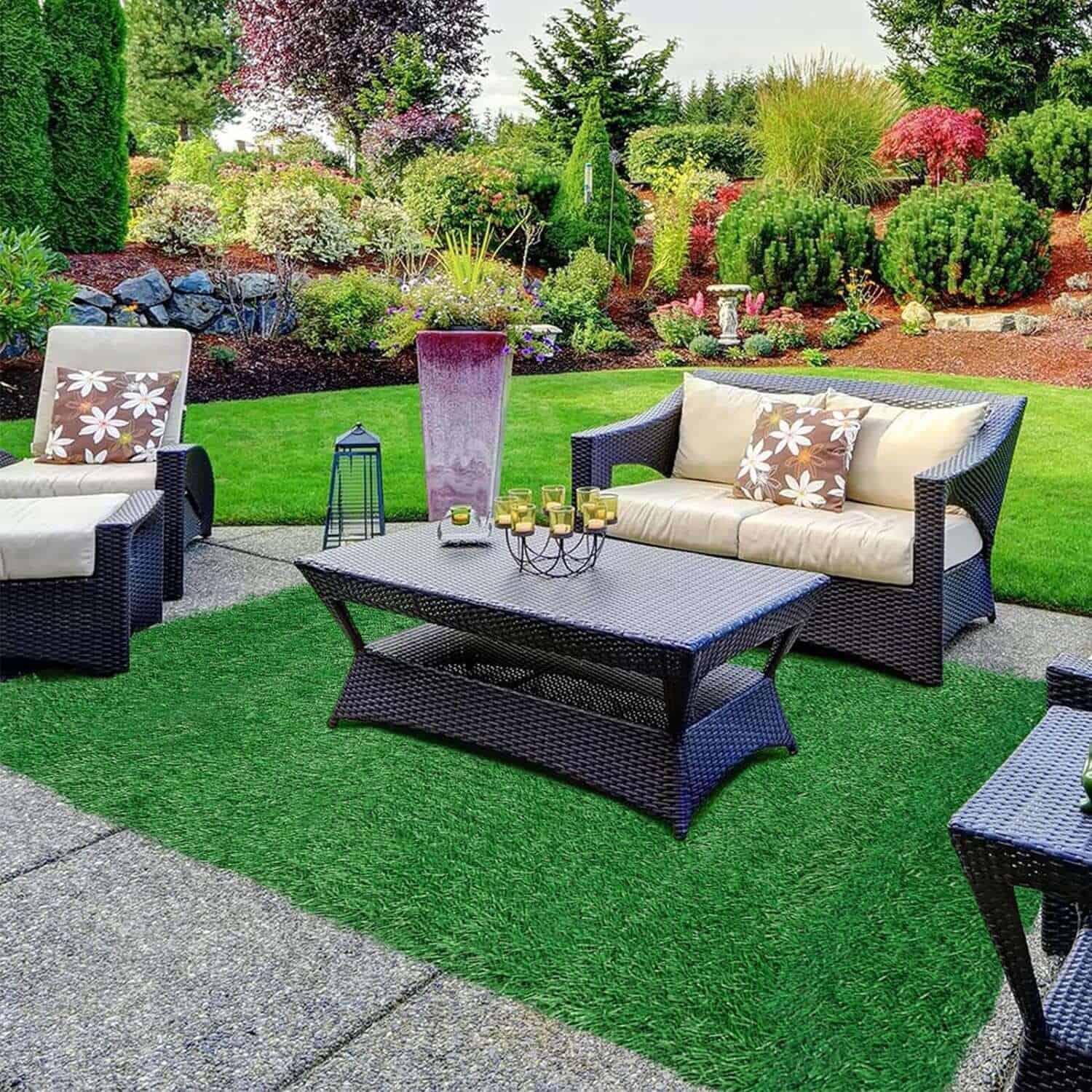
Although not very popular with every landscaper, artificial turf stays green year-round, eliminates mud, and handles heavy use well. Besides, no matter the situation, you can be sure of zero dead patches, zero muddy paw prints after a heavy downpour, and all without mowing.
For families with kids or dogs, that convenience can feel life-changing. Modern turf also looks far more realistic than the bright neon-green versions people remember from years ago.
But there are trade-offs. Turf gets hot in direct sun, and in some climates, it can become uncomfortable barefoot during summer afternoons. Installation can also be expensive because proper base preparation is vital (which can be costly).
And despite the “maintenance-free” marketing, artificial turf still needs occasional cleaning and brushing to keep it looking good.
Pavers and Stepping Stones
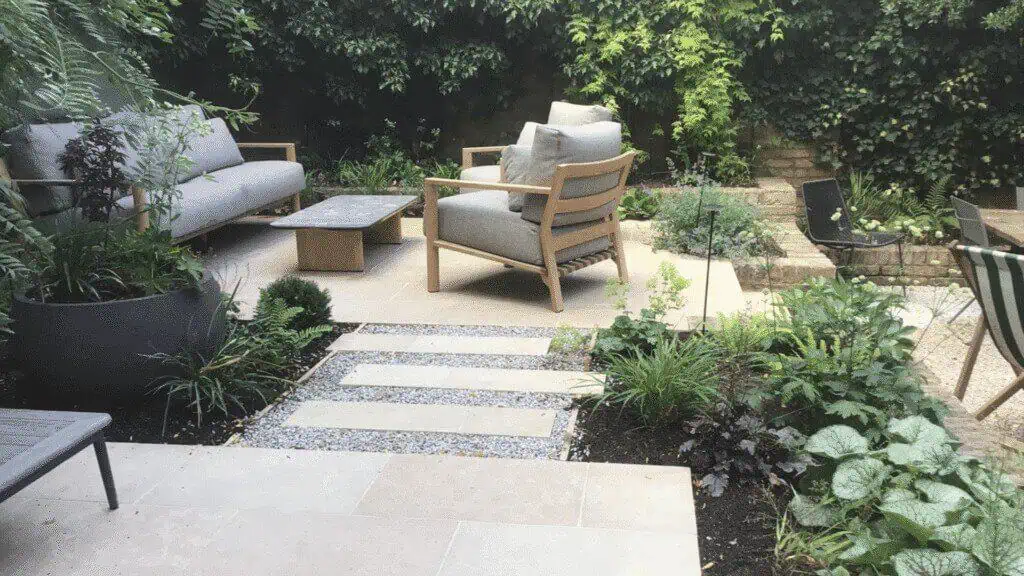
Sometimes the problem isn’t the dirt itself. Instead, it’s having dirt where none is required.
People naturally feel more comfortable moving through spaces that have visual pathways and structure. That’s why adding stepping stones or pavers can dramatically improve a backyard, even if they cover only part of the ground.
A simple stone path across bare dirt instantly changes how the yard feels. Suddenly, there’s movement, rhythm, and purpose.
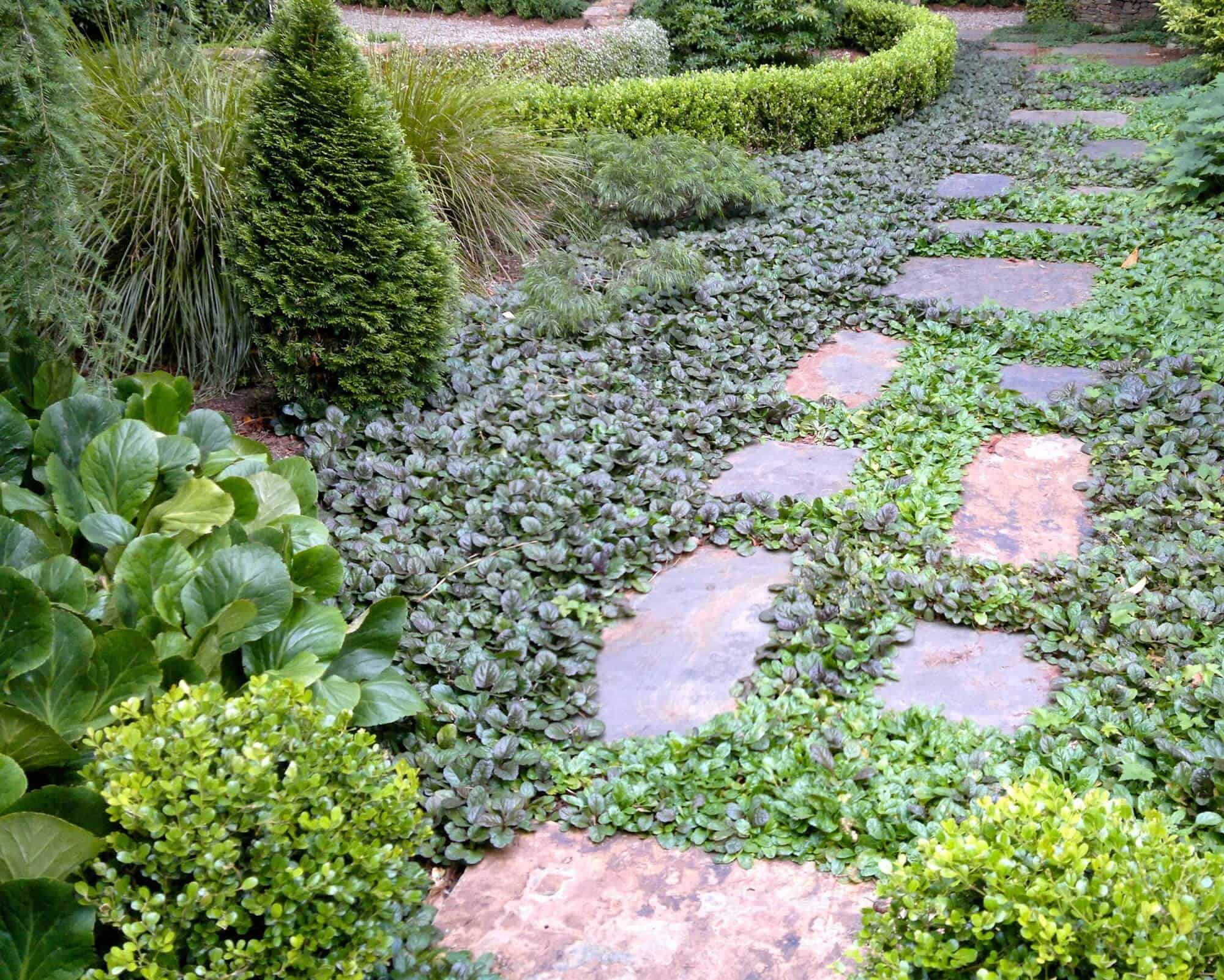
Large concrete pavers create a modern look, especially when spaced with gravel or low greenery between them. Irregular flagstones feel softer and more organic. Brick paths add warmth and a slightly old-world feel that somehow makes even casual gardens look established.
One particularly nice trick is mixing materials instead of committing to one surface everywhere. Gravel beside pavers. Mulch around planting beds. Ground cover softens pathway edges. The combination tends to look more natural and layered.
Working on the Drainage
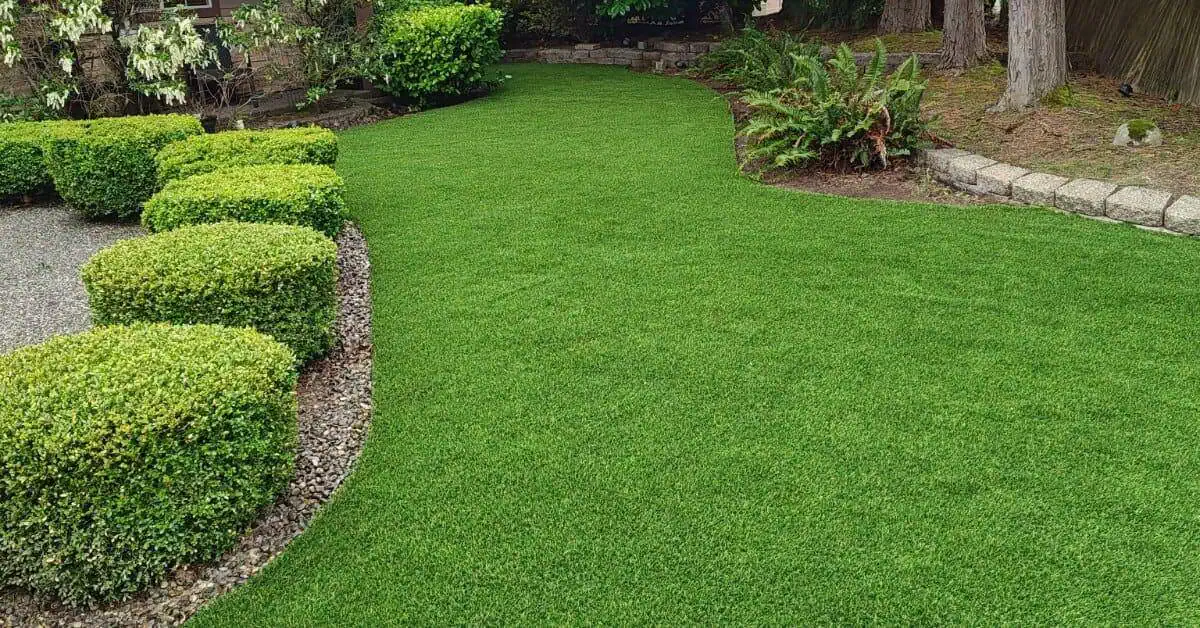
Observe any backyard that is almost always muddy, and one thing will stand out – poor drainage.
If water consistently pools in certain areas, covering the dirt without fixing drainage is like putting a rug over a leaking pipe. It may look better temporarily, but the problem will eventually reemerge.
To correct this, adding soil to improve grading can redirect water away from trouble spots. French drains help in persistently soggy areas. Dry creek beds can move runoff while doubling as attractive landscape features.
Even choosing permeable materials like gravel instead of solid concrete can improve how water moves through the yard.
Also, check out this - 10 Landscaping Ideas for Your Small Backyard and 11 Simple and Effective Lawn Care Tips for Spring.
Conclusion
One of the nicest things about covering backyard dirt is that even small changes create an immediate impact. Now, you don’t need to implement everything on this list.
Just pick one or a combination of two and run with it.
But whatever you do, make sure plants, real lawn, or groundcovers are a part of your complete strategy. After all, a backyard should feel like the outdoors so that you can smell and touch some grass.