Light and temperature are the yin and yang of plant growth and survival. Too much or too little of each, and the plant struggles at best. Indoor conditions worsen all these factors.
Now, winter arrives, and the sun feels like it’s on vacation, windows turn into weak flashlights, and suddenly every houseplant you own looks mildly disappointed.
The good news is that plants exist almost everywhere on Earth thanks to adaptation. In fact, some plants are perfectly fine with winter gloom and not only survive it, but they thrive. These are the plants that adapt when the days get short and the light turns.
Today, I’m sharing a list of such plants.
Therefore, if you’re new to houseplants or just tired of replacing them every spring, this list is for you.
What Low Light Requirement Means
There’s a huge misconception amongst plant beginners. When they read about “low light” plants, they almost always assume that the plant doesn’t need any light.
But the truth is, low light doesn’t mean no light. It usually means north-facing windows, rooms set back from windows, or spaces where sunlight never really hits the floor.
In winter, even bright rooms lose intensity. Studies measuring indoor light levels show winter light can drop by more than half compared to summer. That’s a huge change for plants used to the sunlight.
Therefore, in truth, low-light plants adapt by growing more slowly and conserving energy. That’s why they’re calmer, steadier, and easier to live with in winter.
I hope that helps to set the right expectations.
15 Beginner-Friendly Houseplants to Grow in Winter
1. Cast Iron Plant (Aspidistra elatior)
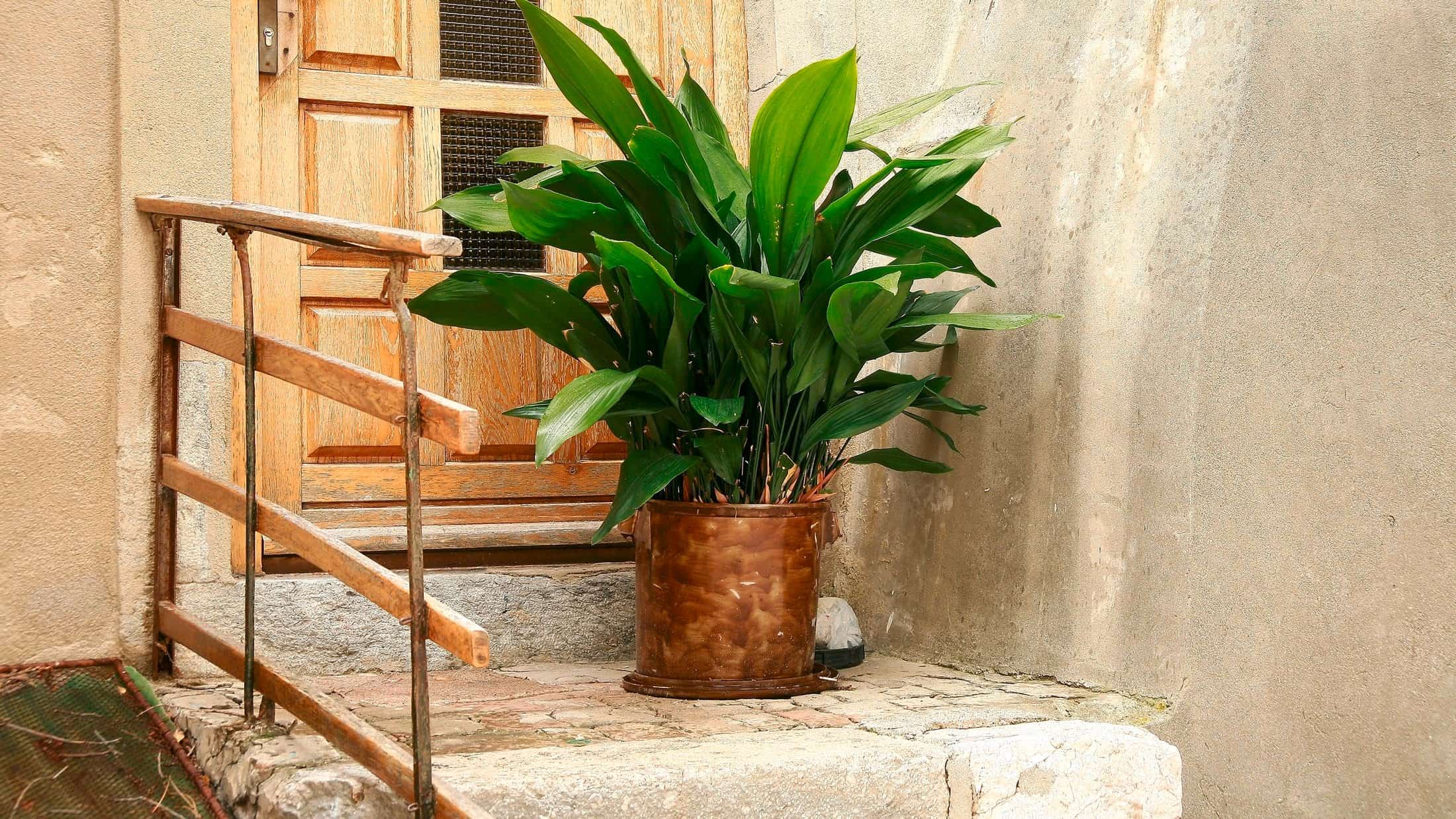
Cast Iron is an evergreen perennial with upright clumps and can grow in dense shade. It spreads gently by underground stems. Works well in low-light areas and indoors in pots, and can withstand neglect.
Traditionally, these plants were popular in Victorian homes, which were famously dim. That alone tells you what it can handle.
It grows slowly and steadily, which makes it ideal for winter conditions.
Best spot: Entryways and dark corners
2. Heartleaf Philodendron
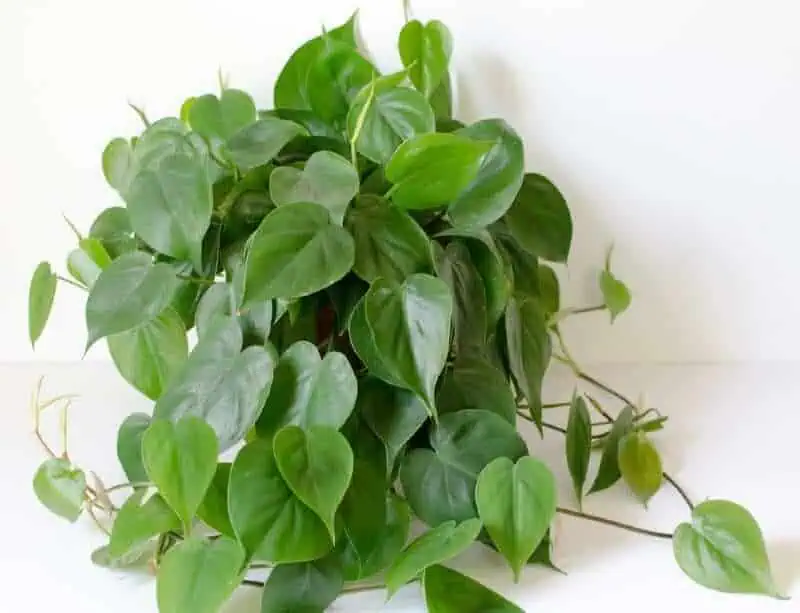
If you visit most homes, garden centers, or plant nurseries, you're most likely to find a heartleaf philodendron plant.
That shows how popular this plant is.
And with very good reasons.
For starters, they do extremely well in average household temperatures, light, and humidity levels. But most importantly, their solid dark green leaves on twining vines make them a great choice for hanging baskets, wall planters, and shelf plants.
Best spot: Hanging baskets, shelves, and wall planters.
3. Snake Plant (Sansevieria)
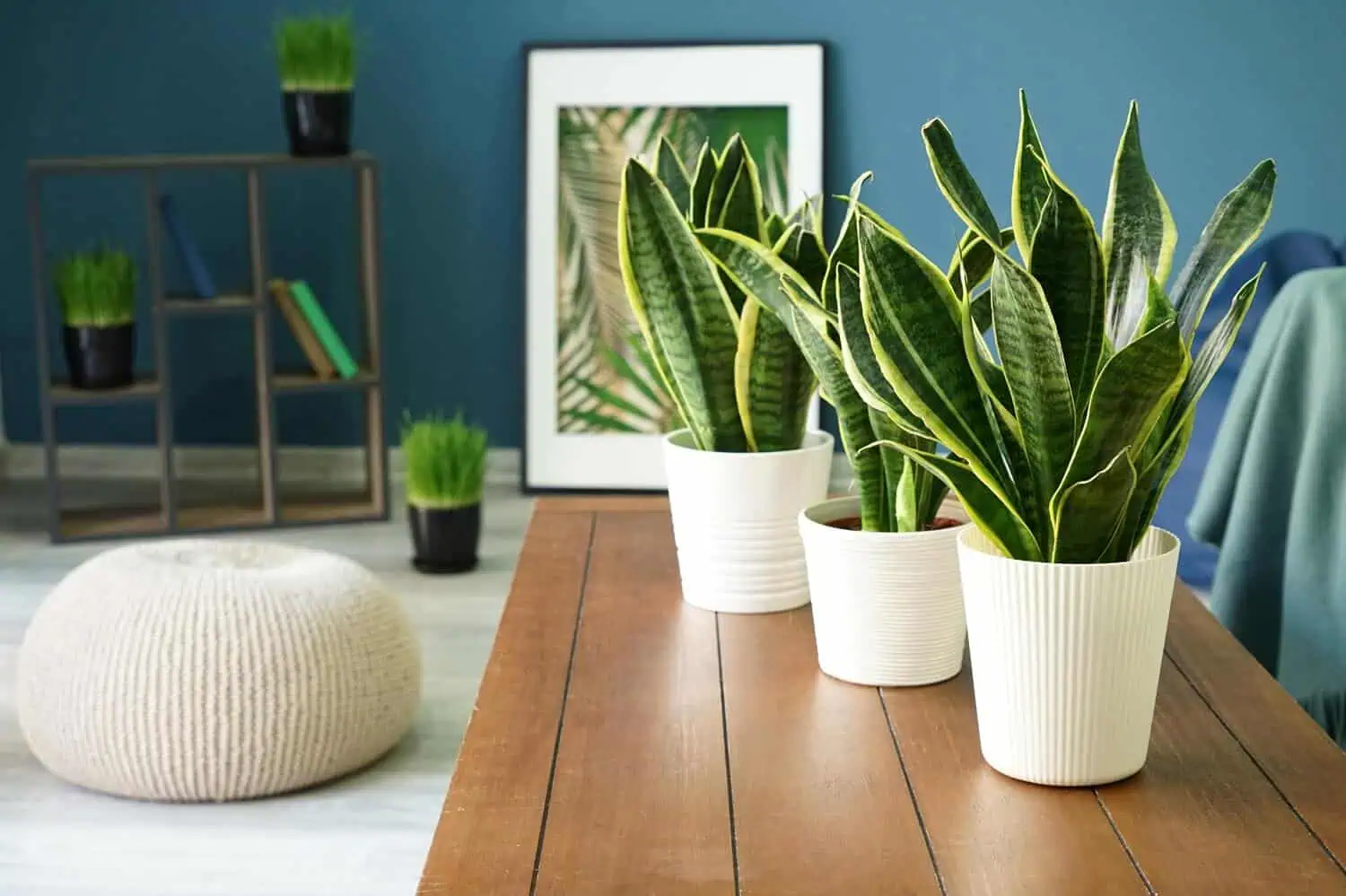
If there were an award for least dramatic houseplant, the snake plant would win every year. In fact, I can’t recall a list of any special traits plant that it misses on.
Snake plants tolerate low winter light extremely well. They evolved in native environments with inconsistent light and long dry spells.
They also store water in their leaves, which makes overwatering the bigger risk. In winter, once every few weeks is usually plenty.
Ideal plant spot: Corners, bedrooms, hallways, and shaded living rooms.
4. Philodendron ‘Brasil’
This is another popular form of the heartleaf philodendron with a band of yellow along the center of each leaf. It's a vigorous grower with bright, glossy foliage that matures to olive green with creamy yellow coloring on its edges and the middle.
Philodendron ‘Brasil’ tolerates winter shade better than many variegated plants. Color contrast may fade a bit, but the plant remains healthy. It’s a great option if you want color without high-light demands.
Best spot: Hanging planters, bookshelves, and hung up on a trellis near window-adjacent walls.
5. ZZ Plant (Zamioculcas zamiifolia)
The ZZ plant looks glossy and high-maintenance, but it’s basically indestructible.
Its thick underground rhizomes store water and energy, helping it survive long periods of low light. Many offices keep ZZ plants alive under fluorescent lights alone.
Winter barely registers for this plant.
Best spot: Offices, darker rooms, spots far from windows.
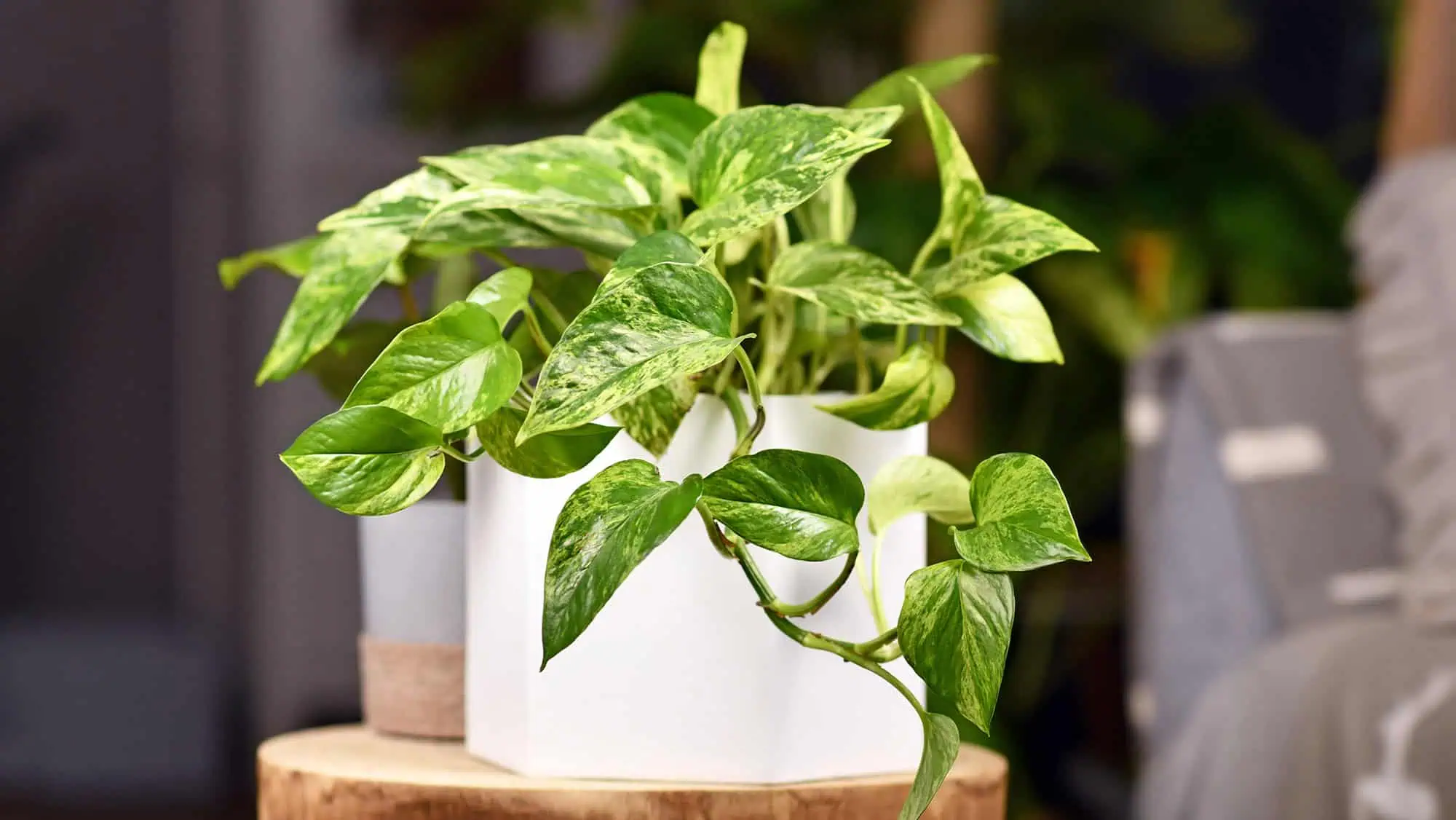
6. Pothos (Epipremnum aureum)
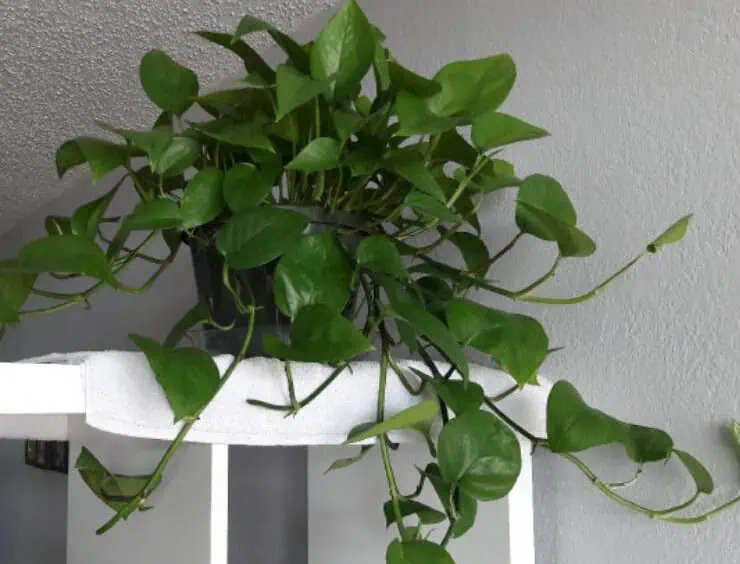
One of the things I really love about the Pothos plant is the fact that it is a very easy and low-maintenance indoor houseplant.
The plant can grow even in a water-filled bottle (alone for a reasonable period of time) with frequent water refills or a complete water change, of course.
Color variegation and sizes of foliage are extremely variable depending upon lighting conditions and other cultural factors. This means that the leaves may shrink slightly, but the plant keeps going.
Besides, the variegated types might lose some patterning, which is normal and reversible.
Best spot: In the native setting, this plant produces trailing stems when it climbs up trees, and these take root when they reach the ground and grow along, making them great for hanging baskets or bookshelves.
7. English Ivy
English ivy adapts well to cooler temperatures and low winter light indoors.
It prefers bright indirect light but tolerates shade without major issues. Growth slows when the light is minimal. This is a good thing because, given optimal conditions year-round, this plant can easily take over an area.
Plant in hanging baskets and on shelves near windows for optimum growth.
8. Peace Lily
Peace lily is popular as a specimen or accent in interior groupings for its deep-green glossy foliage and white blooms that are intermittent in medium lighting and long-lasting.
The plant has no specific bloom time but flowers freely (especially in brighter conditions) and tolerates heavy shade.
Interestingly, it’s one of the few plants that grow well in a water medium.
Best spot: Bedrooms, shaded living rooms, and bathrooms with windows.
9. Spider Plant
The Chlorophytum comosum, popularly known as the spider plant or spider ivy, is a commonly chosen houseplant. These evergreen tropical plants are African natives and besties with rookie gardeners because of their easy maintenance.
In winter, they tolerate lower light levels without serious decline. They may produce fewer baby plants, but the main plant stays healthy.
If you want to enrich your home garden with so many plants, propagating spider plants is one of the most suitable options for you.
Best spot: They perform exceptionally well almost everywhere. But near a bright window is ideal.
10. Parlor Palm (Chamaedorea elegans)
Parlor palms evolved under rainforest canopies, which explains their shade tolerance.
They grow slowly and don’t demand much light, especially in winter. That slower pace helps prevent stress. They also cope better with dry indoor air than many palms.
Grow best in house parlors, offices, and other spacious places.
11. Dracaena
Dracaenas tolerate low light, irregular watering, and winter dryness better than many upright plants. Leaf color may soften slightly, but overall health stays strong.
They’re commonly used in offices because of their reliability under less-than-ideal lighting.
12. Lucky Bamboo (Dracaena sanderiana)
Lucky bamboo isn’t a bamboo at all, but it behaves like one. It’s grown indoors to attract positive energy and bring luck to your interiors, hence frequently referred to as a lucky plant in feng shui settings.
It tolerates low light well and prefers indirect conditions since brighter sunlight can easily damage the leaves.
Whether grown in water or soil, it’s slow-growing and steady during winter.
13. Dieffenbachia (Dumb Cane)
Dieffenbachia looks like it should need bright light because of its large leaves, right? After all, does this usually mean big demands?
Apparently, not here.
Those oversized leaves are actually a low-light strategy. They act like solar panels, maximizing whatever weak winter light is available. That’s why Dieffenbachia can sit several feet back from a window and still look full.
However, in winter, problems usually come from cold drafts and overwatering, not lack of light. Growth stalls, but the plant stays upright and present, almost frozen in time.
If you want a plant that still fills visual space when everything else goes quiet for the season, Dieffenbachia earns its place.
14. Kentia Palm
Kentia palm evolved to grow slowly under forest canopies, which means winter conditions feel familiar rather than stressful. When light drops, it doesn’t stretch, yellow, or collapse.
That’s why these palms were popular in old hotels and parlors long before modern lighting existed. They could survive in elegant gloom for decades.
6. Chinese Evergreen (Aglaonema)
In the wild, they grow under dense tropical canopies where sunlight is filtered, broken, and inconsistent. That environment rewards plants that don’t rush growth and don’t rely on intense light to function.
That’s why Aglaonema behaves so calmly in winter. When light drops, it doesn’t sulk or shed leaves. The leaves stay thick, the plant keeps its shape, and nothing dramatic happens.
This is also why it’s so forgiving of beginner mistakes. Miss a watering, forgetting to rotate it, or putting it in a room that feels slightly too dark, and it survives.
A Few Care Tips to Remember
- Low-light plants still appreciate a little seasonal adjustment. Bring them outdoors when the danger of frost passes.
- Error on the side of underwatering since plants use less water when the light drops.
- During the winter months, most plants aren’t actively growing. Therefore, you need to pause watering.
- To help your plants to balance the uneven light, rotate them occasionally.
- Lastly, remember that dust particles block the light there is. Hence, you need to gently wipe your plant’s leaves periodically.
Conclusion
Winter is not all doom and gloom, especially for your plants. The right plants, carefully placed in suitable areas in your home, will adapt and bring the much-needed jungle vibe indoors.
I hope this list of the best indoor plants for when the light diminishes will help to do exactly that.
Let me know your thoughts, and don’t forget to save this article on Pinterest.