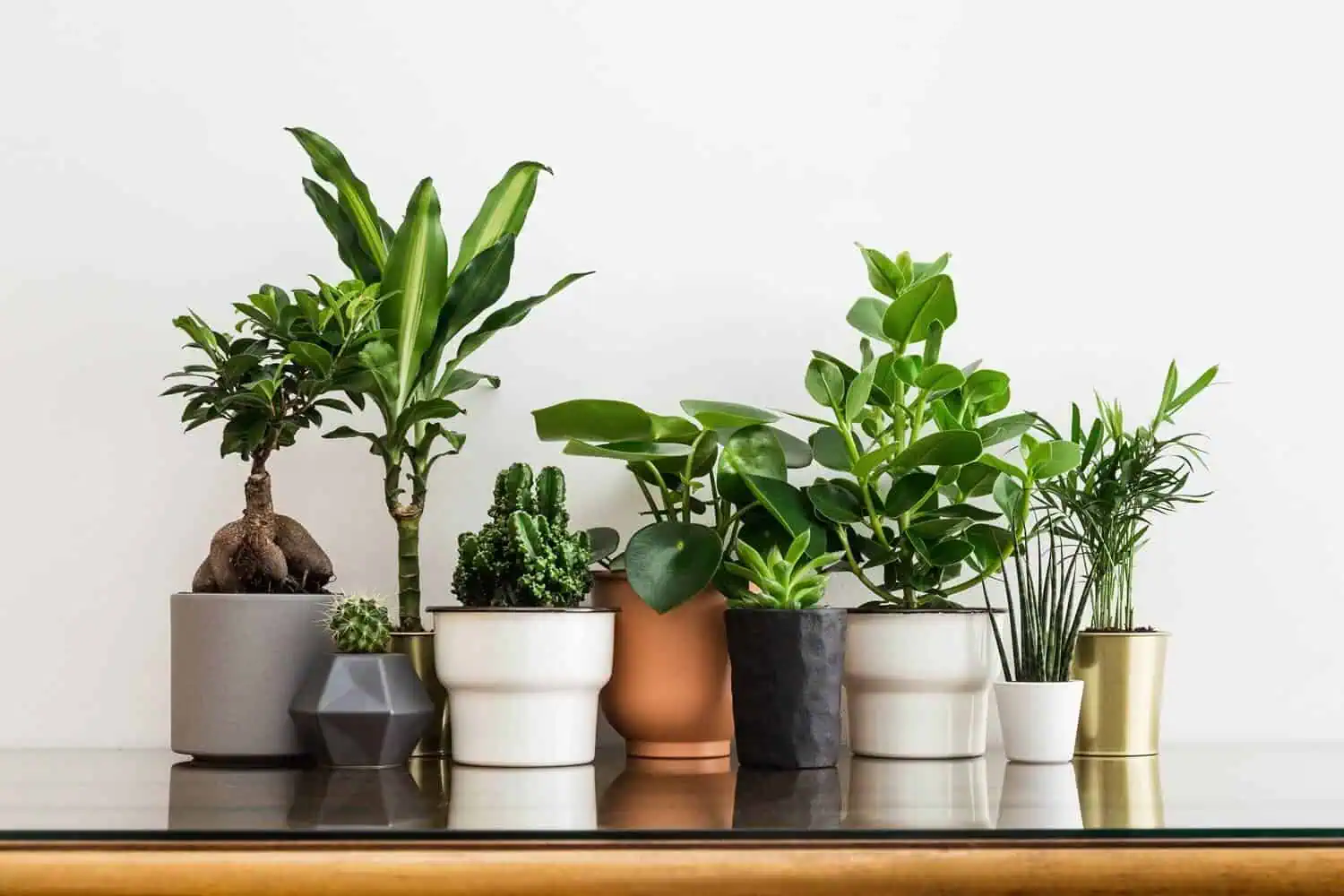
Houseplants mean different things to different people. For instance, some believe plants are purely aesthetic objects used to "soften" a room or personalize a space, with minimal emotional attachment.
And, there are those, particularly Gen Z, who perceive plant ownership as a tangible way to "care for the environment" and practice sustainable living.
But for most of the population, they believe plants significantly purify indoor air. “Lucky Plants,” on the other hand, have an interesting and rather funny reputation.
Some people believe that these plants can change the energy of a room overnight, while others simply appreciate their appearance and hope for the best. I sit somewhere in the middle. I like plants that are easy to care for and make a space feel calmer and more intentional.
The good news is that many plants associated with luck, wealth, and positive energy are also ridiculously low-maintenance.
Below, I’ll walk you through the best lucky plants for each area of your home, why they’re placed there, and how to keep them happy with minimal effort.
11 Lucky Plants for Every Area in Your Home
Entryway
Your entryway sets the tone. It’s the handshake of your home. An appropriate lucky plant in this area should be welcoming, tough, and unfussy. Here are the two best options:
Lucky bamboo
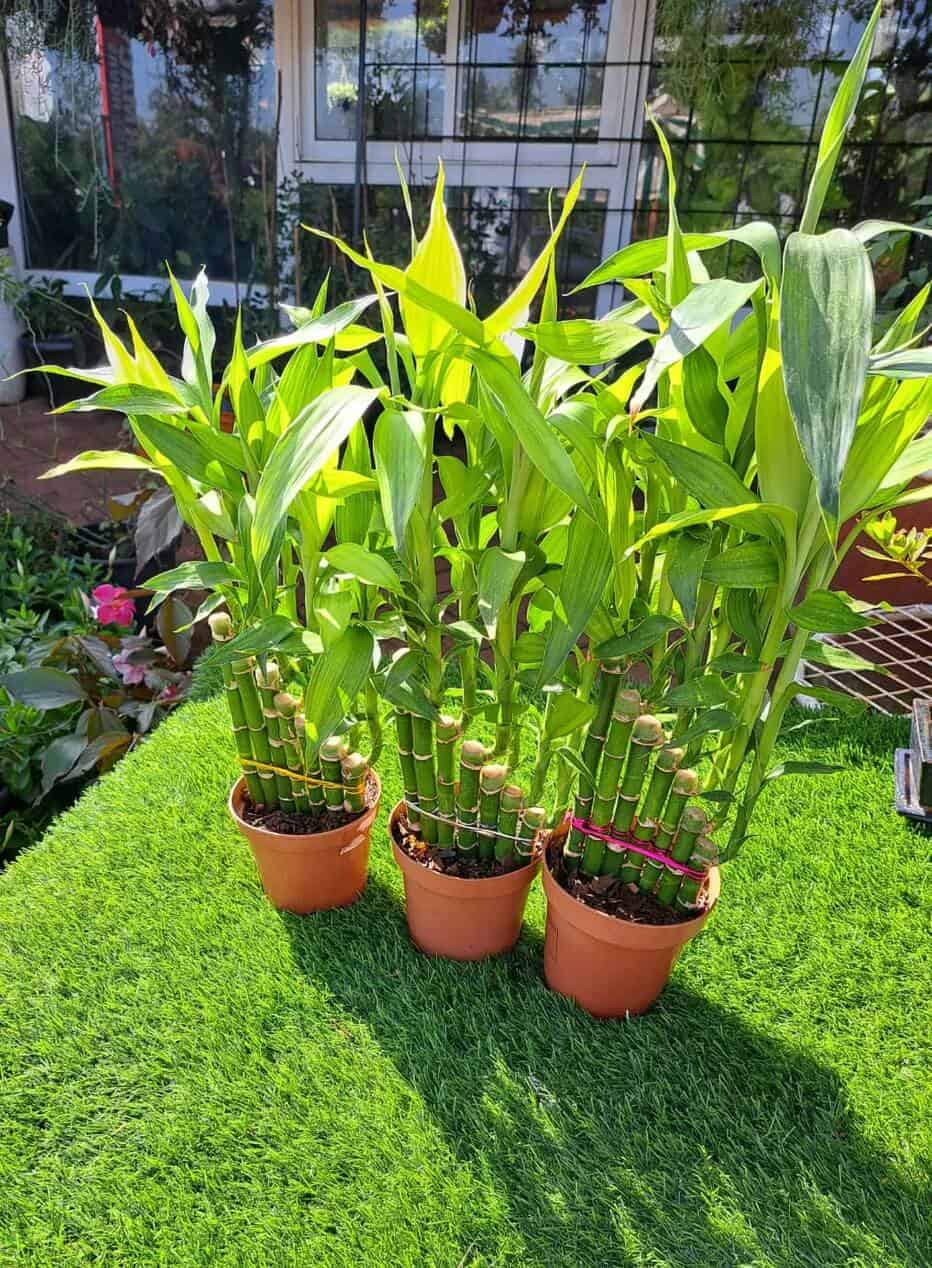
This is a classic choice. It’s been used in Feng Shui for centuries and is often associated with prosperity and good fortune. What I love about it is how adaptable it is.
It grows in water or soil and tolerates low light better than most plants.
Snake Plant (Sansevieria or Dracaena trifasciata)
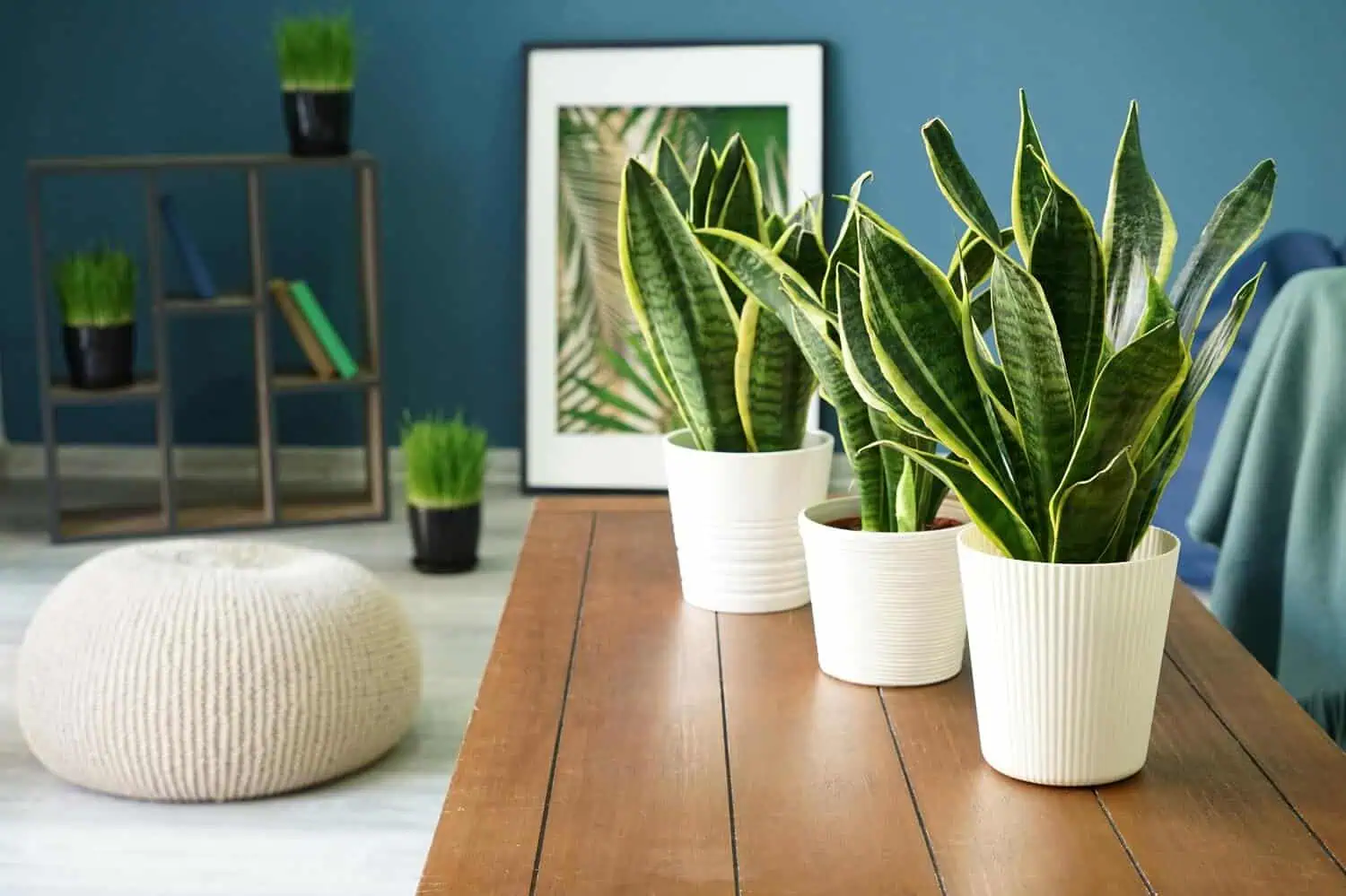
It’s technically not a traditional “lucky” plant, but it’s often recommended for protection and grounding energy. Plus, it’s nearly impossible to kill.
NASA’s well-known Clean Air Study also highlighted snake plants for their air-purifying abilities, which feels like a bonus layer of good vibes.
Pro Tip: Keep entryway plants simple. One healthy plant does more than five struggling ones.
Living Room
The living room is where energy gathers. People talk, laugh, relax, and sometimes argue here.
Plants that symbolize harmony and abundance do especially well in this space.
Money Tree Plant
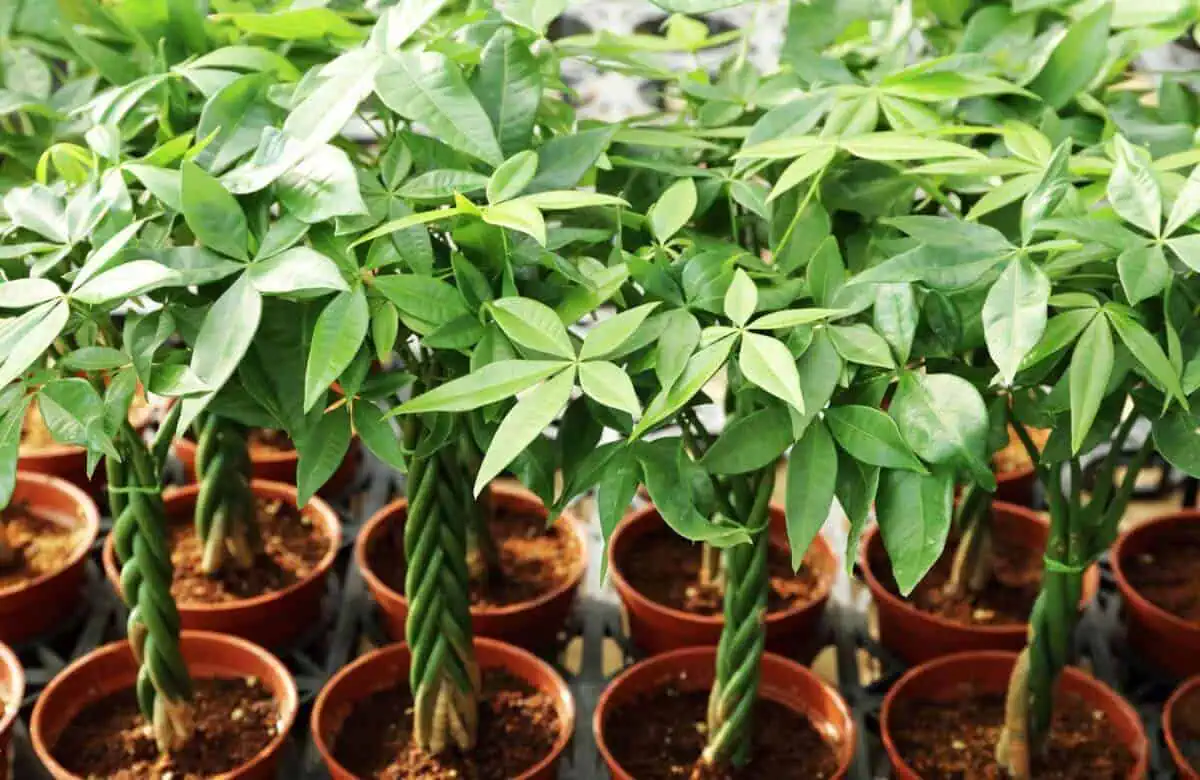
The money tree is an obvious star suitable for most living rooms. Its braided trunk is said to trap good fortune, and its leaves fan out like open hands. It prefers bright, indirect light but forgives you if conditions aren’t perfect.
Water it when the top inch of soil feels dry, and move on with your life.
Rubber Plants
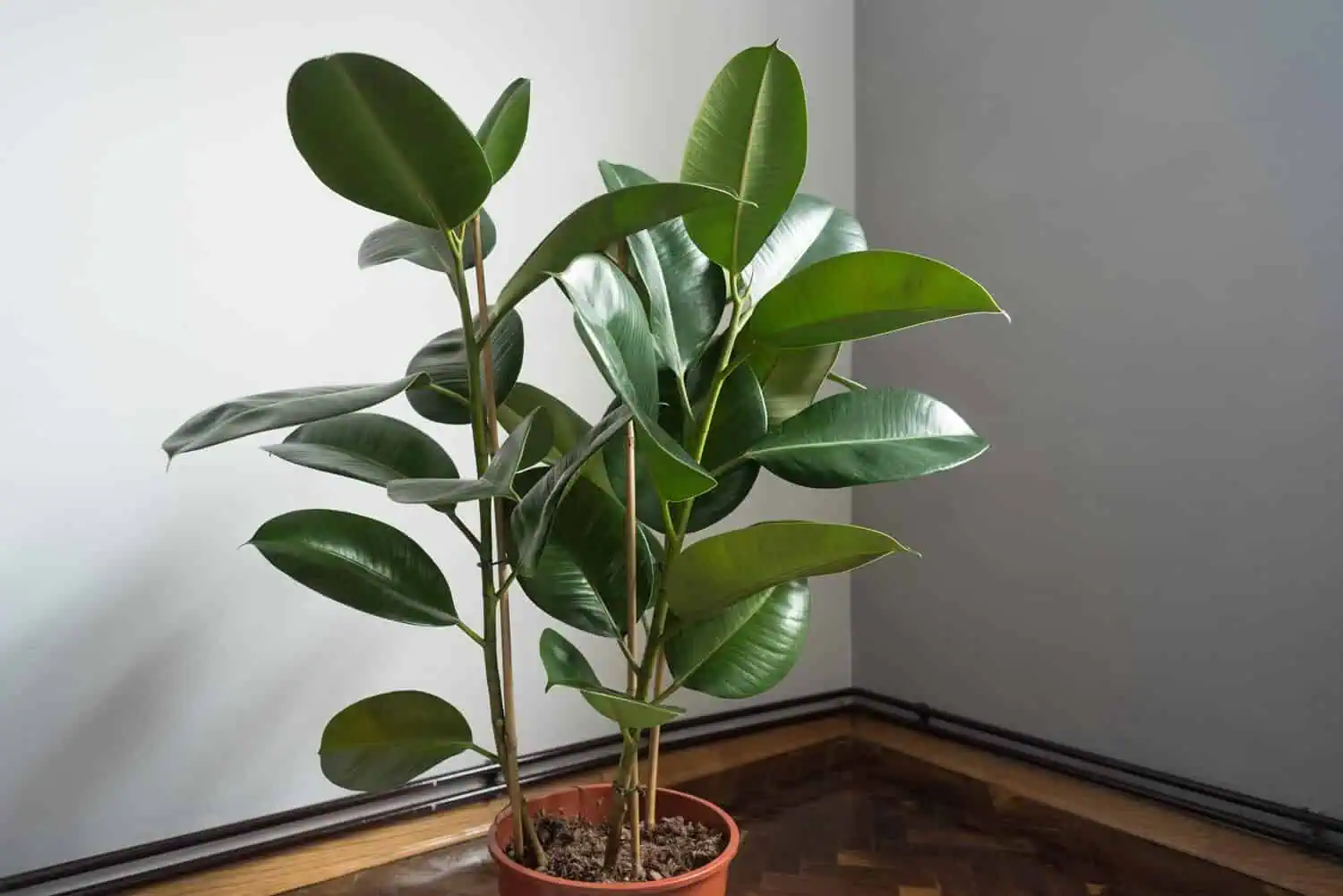
The rubber plant is linked to wealth and growth, and it makes a bold statement without demanding constant care. Their thick leaves hold moisture well, so they don’t struggle if you forget a watering.
Besides, it happens to be one of my favorite large indoor plants. Here’s what to do if you notice curls on the leaves of your rubber plant.
Bathrooms
Bathrooms are tricky with high humidity and often low light. Not every plant wants to live in what is basically a warm cave.
However, some plants thrive in such conditions. Here’s a complete list of bathroom-tolerating plants.
Pothos
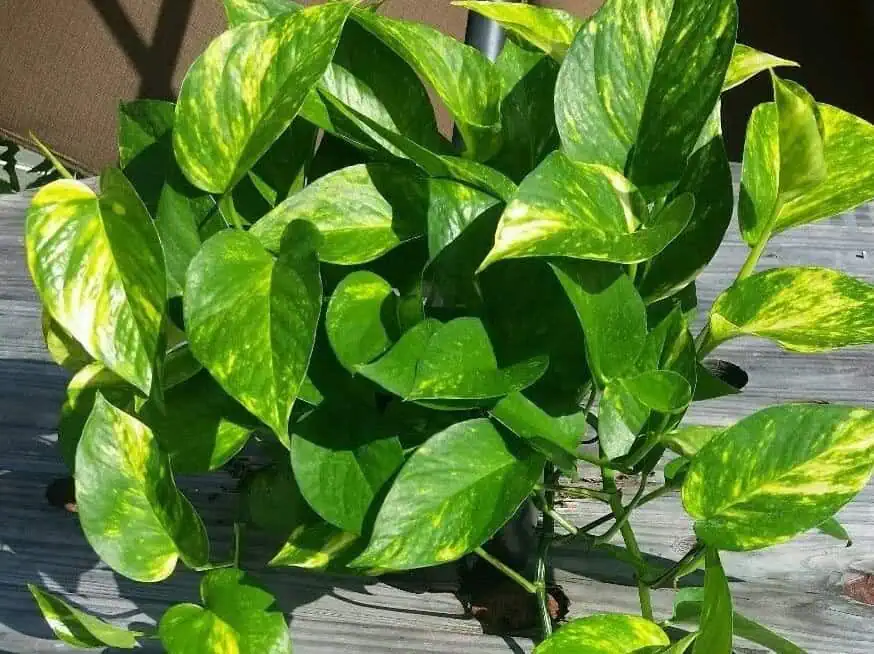

These plants are often associated with positive flow and resilience, which feels right for a space tied to cleansing and renewal.
Neon or golden pothos are especially ideal in bathrooms with large windows.
Pothos tolerates low light, loves humidity, and bounces back fast if it gets neglected.
Here’s a complete beginner’s guide to pothos plant care.
Peace lilies
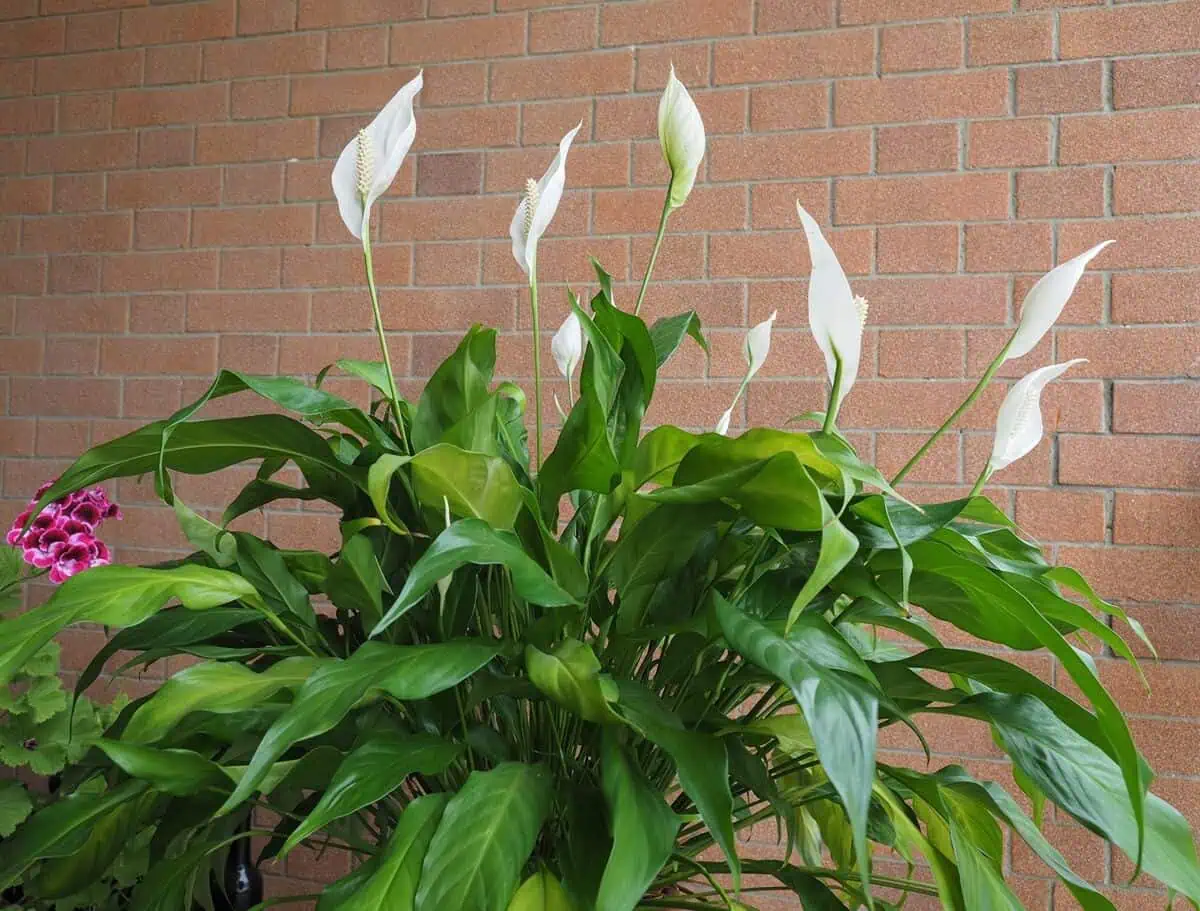
They’re linked to harmony and purification and actually enjoy moist air.
Studies have shown that Peace lilies can help reduce certain airborne toxins, which is impressive for a plant that looks this elegant.
Just make sure there’s at least some natural or artificial light. Even lucky plants have limits.
Far Corners (Wealth and Prosperity)
In Feng Shui, the far left corner of a room from the entrance is often associated with wealth. This is where statement plants shine.
Jade plants
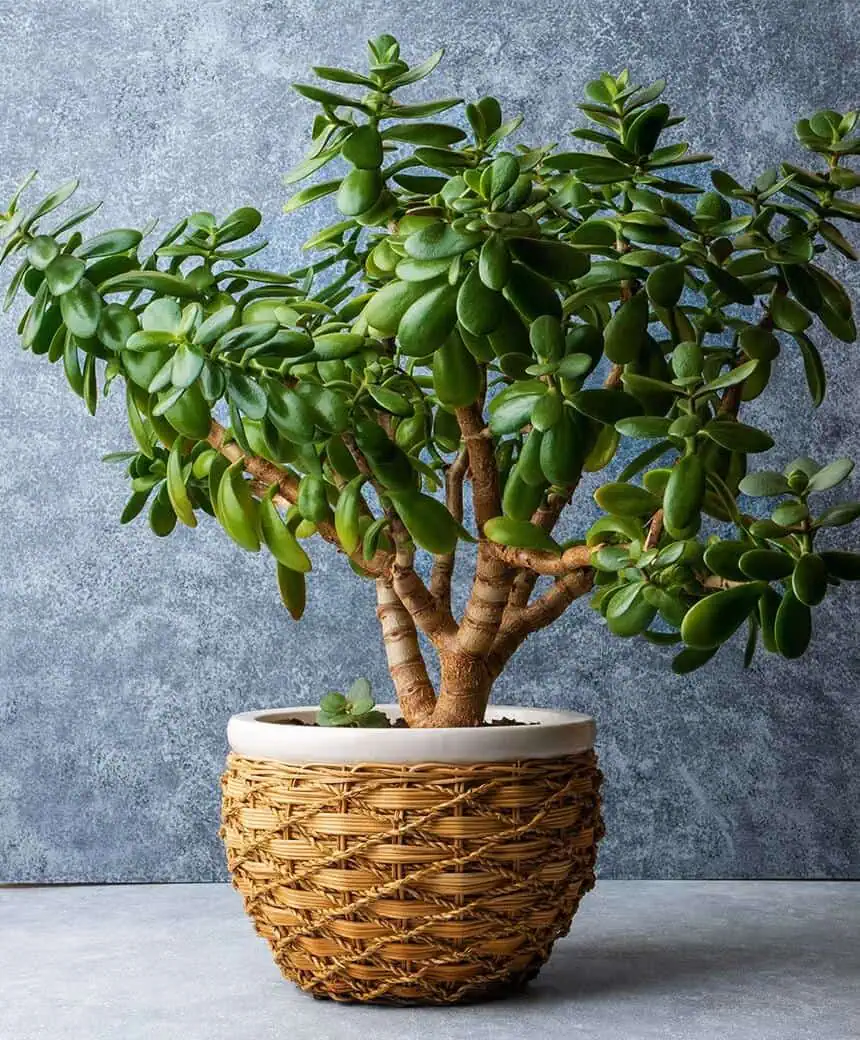
These plants are almost made for this spot. They’re traditionally given as housewarming gifts because they symbolize prosperity and long-term success.
They’re succulents, so they store water in their leaves and prefer to be ignored more than fussed over. If you want to learn how to propagate jade plants from cuttings, check out this guide.
Chinese evergreen
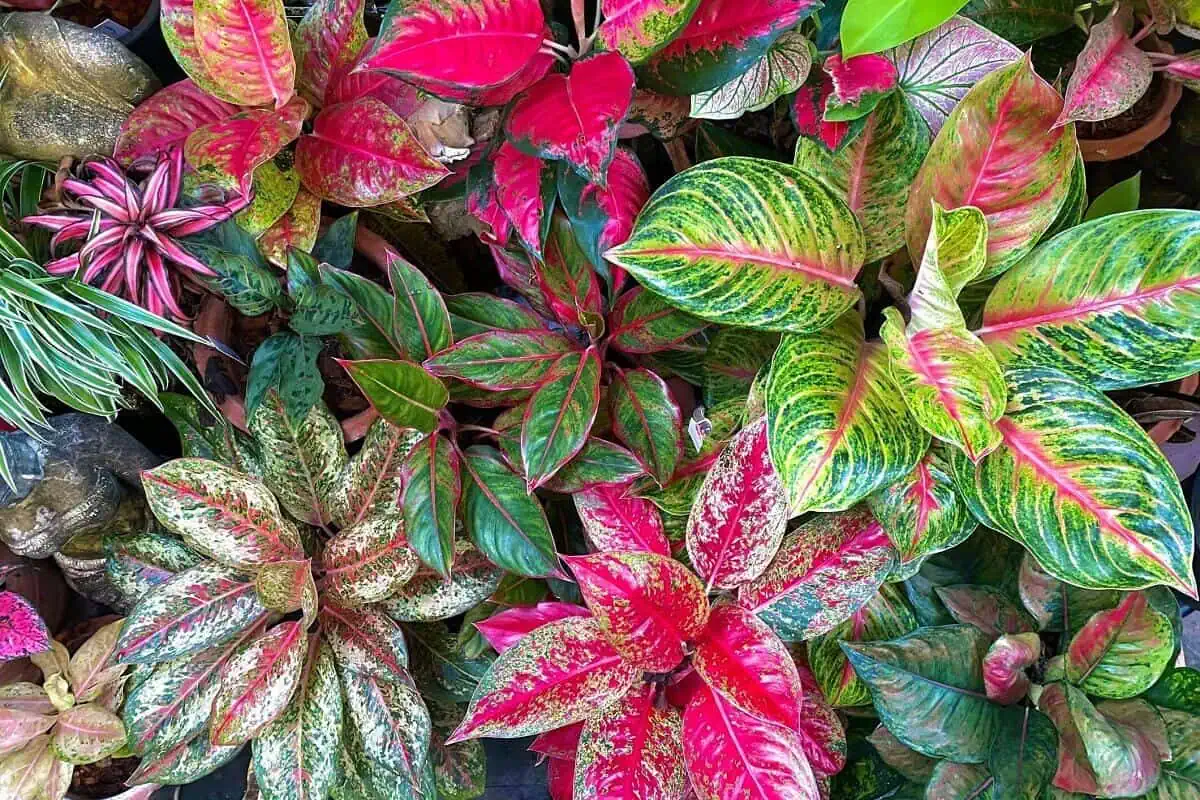
Another suitable low-maintenance option is the Chinese evergreen, also known as Aglaonema.
It’s often linked to luck and resilience, and it tolerates low light and irregular watering like a champ. Here’s a list of the most colorful Chinese evergreen varieties.
Bedroom
The bedroom should feel calm to allow you enough rest after a long day.
Therefore, any choice of Lucky plants here should support rest and balance instead of overwhelming the space.
Lavender
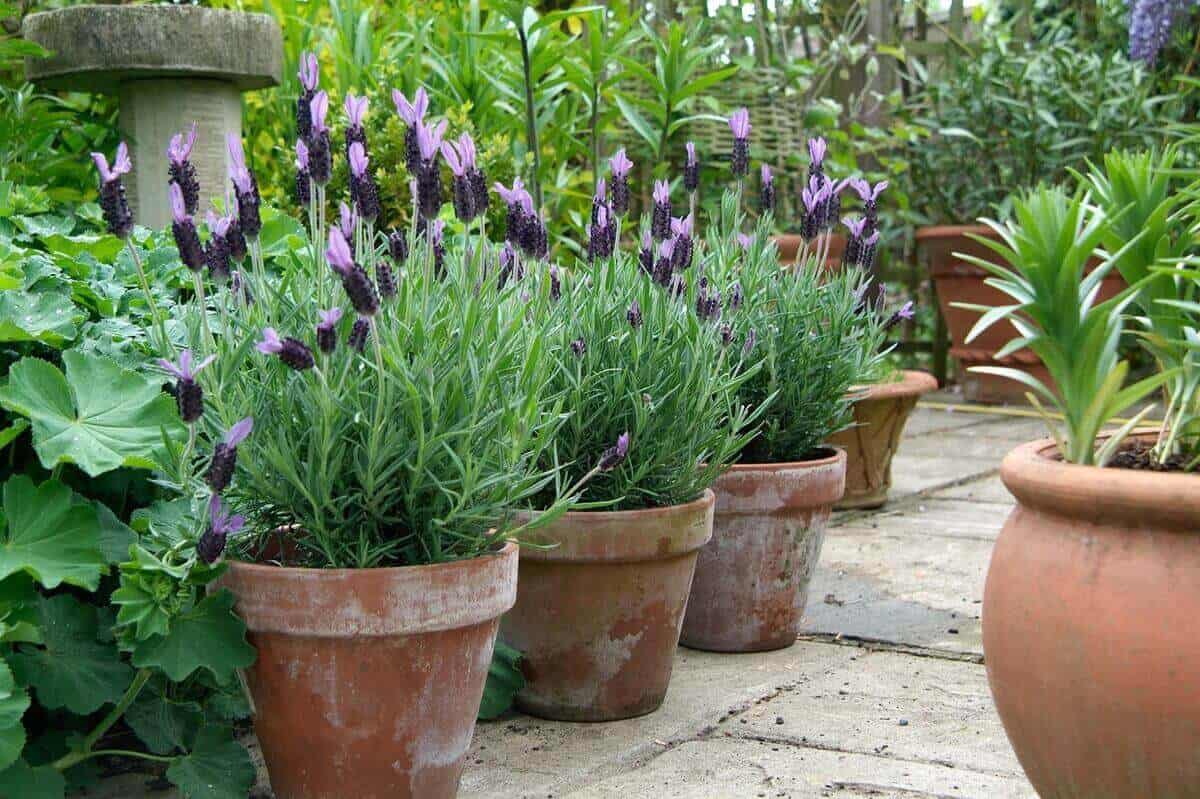
When grown indoors with enough light, Lavenders are associated with peace and protection. Their scent has been studied for its calming effects on sleep quality and anxiety.
Even a small plant can make a difference.
ZZ plants
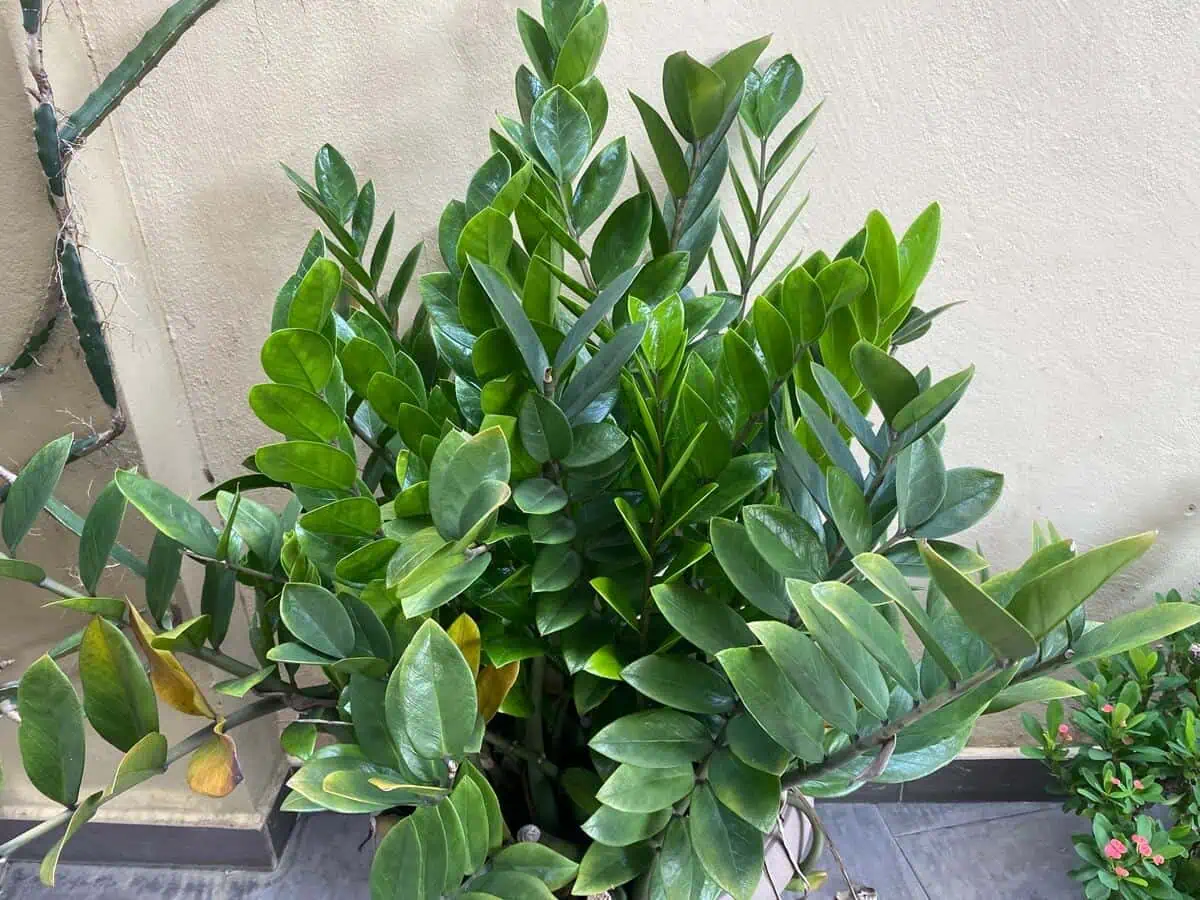
These are ideal if you want greenery without thinking about it. ZZ plants are often connected to stability and endurance, and can survive low light and missed waterings better than almost any other plant.
Pro Tip: Remember not congest your bedroom with so many plants. One or two plants are right about enough.
Work Desk or Office
This is where focus and opportunity matter. Plants here should symbolize growth, clarity, and forward motion.
Lucky bamboo
This multipurpose plant shows up again, and for good reason. On a desk, it’s compact, clean, and symbolic.
Different stalk counts are traditionally associated with different intentions, like success or creativity.
Most Succulents
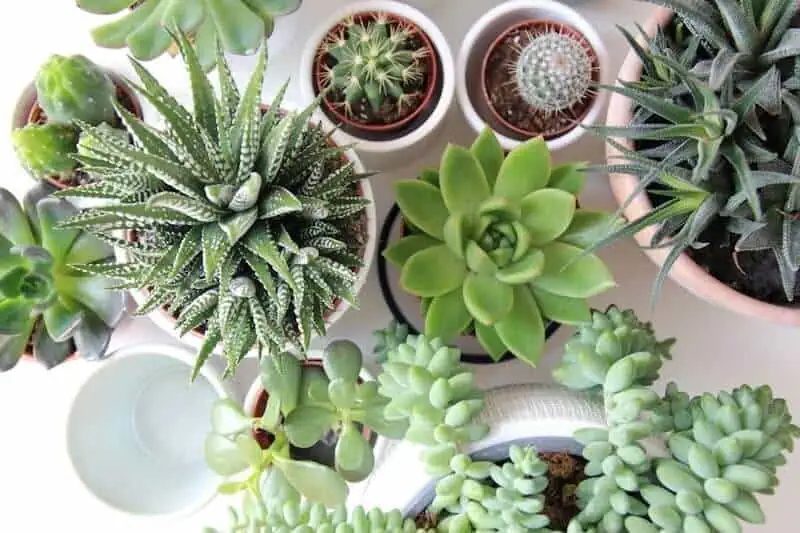
Succulents, especially round-leaf varieties, are often linked to steady progress and protection. They don’t distract, don’t shed, and don’t complain if you’re busy working instead of watering.
A small plant can still do heavy lifting for motivation.
Places to Avoid Placing Your Lucky Plants and Why
Not every corner is a good corner. Some placements work against the plant and the energy you’re trying to create.
Directly in front of strong air vents - Constant airflow dries plants out fast and stresses them. A stressed plant never feels lucky.
Dark, windowless storage rooms - Unless the plant is specifically low-light tolerant. Even then, total darkness is a hard no.
Overcrowded shelves - Plants need space to breathe and grow. Cramped plants tend to decline, and that defeats the whole purpose. If you want to learn more about plant shelf styling, here are 11 Tips for a balanced look.
And finally, avoid placing plants where they’ll constantly be knocked over or brushed past. Stability matters, both practically and symbolically.
Conclusion
Lucky plants don’t need to be rare, expensive, or dramatic. The best ones quietly adapt to your life and your space. They grow slowly, forgive mistakes, and make rooms feel more alive.
When a plant thrives where it’s placed, it naturally brings a sense of ease and confidence with it. Call that luck, call it good design, or call it common sense.
Either way, a low-maintenance plant that actually survives is always a win.