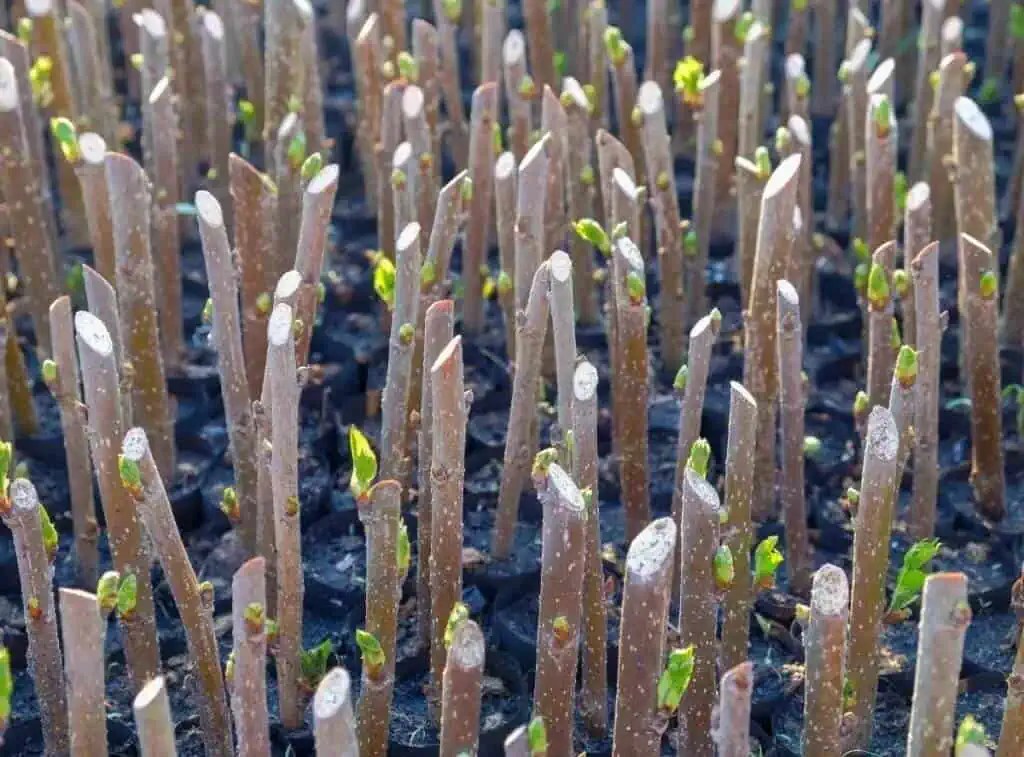
If you’ve done any landscaping of considerable size, you’ll realize that buying mature shrub and tree seedlings is quite expensive. Propagating your own lets you multiply plants without an extra budget.
It also gives you control. You know exactly what you’re getting: same growth habit, same flowers, same toughness.
And there’s something satisfying about turning clipped stems from pruning into seedlings that you can use to grow a hedge, a border, or a privacy screen.
In today’s post, I’m going to discuss everything you need to know about propagating landscaping shrubs from hardwood and softwood cuttings.
Let’s start.
Hardwood vs. softwood cuttings: what’s the difference?
The main difference is the timing and texture of the cuttings.
Softwood cuttings come from fresh, flexible growth. Think spring to early summer, when stems still bend easily and snap with a crisp break.
Hardwood cuttings come later. Late fall through winter, when growth has hardened, and the plant is dormant.
There’s another intermediary stage known as semi-hardwood.
Neither is better across the board. They just suit different shrubs and different seasons. Knowing when to use which is half the battle.
However, if I were to rank them, hardwood cuttings would be the most stubborn since their cells have differentiated completely. On the other hand, herbaceous perennials and softwood cuttings would be the easiest.
Shrubs that propagate well from softwood cuttings
Softwood cuttings are eager. They root faster, but they’re also fussier, especially when it comes to rots. Many popular landscape shrubs respond beautifully at this stage.
Studies show success rates above 70 percent for softwood cuttings under proper humidity and temperature control, especially with hydrangea and boxwood.
Below is a list of all the shrubs that propagate well from softwood cuttings:
Hydrangea (Hydrangea spp.)
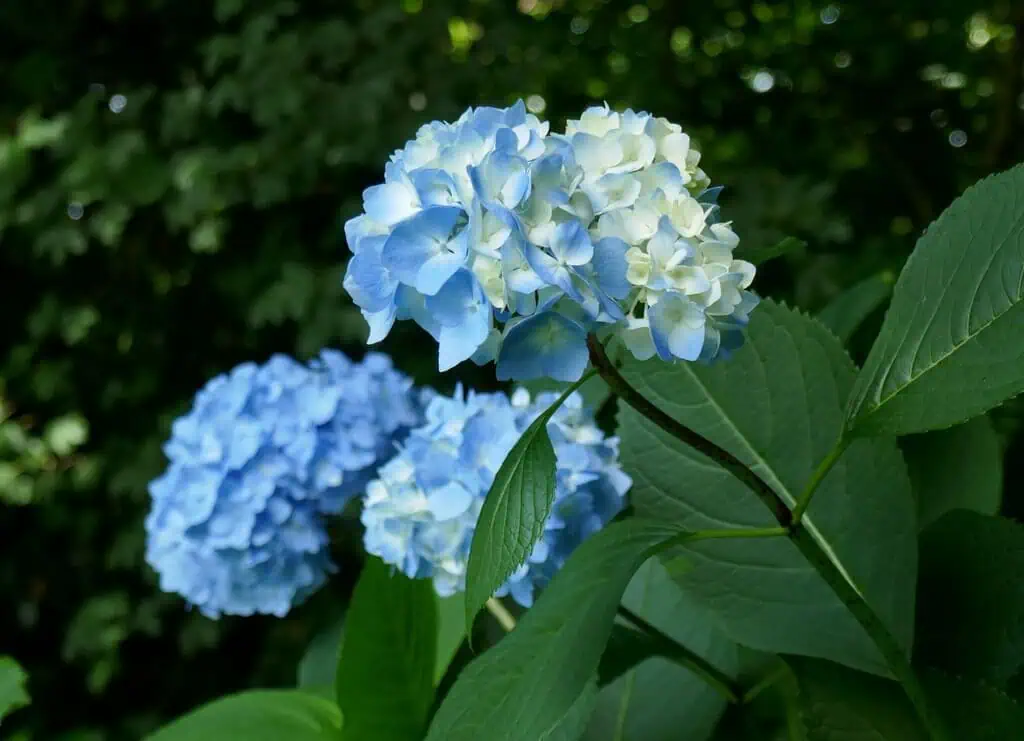
Hydrangeas are famously generous when it comes to propagation. Softwood cuttings taken in late spring or early summer root quickly because the stems are packed with active growth hormones.
Non-flowering shoots root best. Flower buds divert energy away from root formation, so skipping them noticeably improves success rates.
Once rooted, hydrangea cuttings establish fast and usually look like “real plants” by the end of the growing season, which is incredibly motivating.
Boxwood (Buxus spp.)

Boxwood is slower, but steady. Softwood cuttings root reliably in late spring to early summer, especially when humidity is kept high.
The key with boxwood is patience. Roots take longer to form, sometimes six to eight weeks, but once they do, survival rates are high. Boxwood responds well to light misting systems with minimal warmth.
Undoubtedly, this is one of the best shrubs to propagate if you’re building hedges and want visual consistency.
Butterfly Bush (Buddleja davidii)
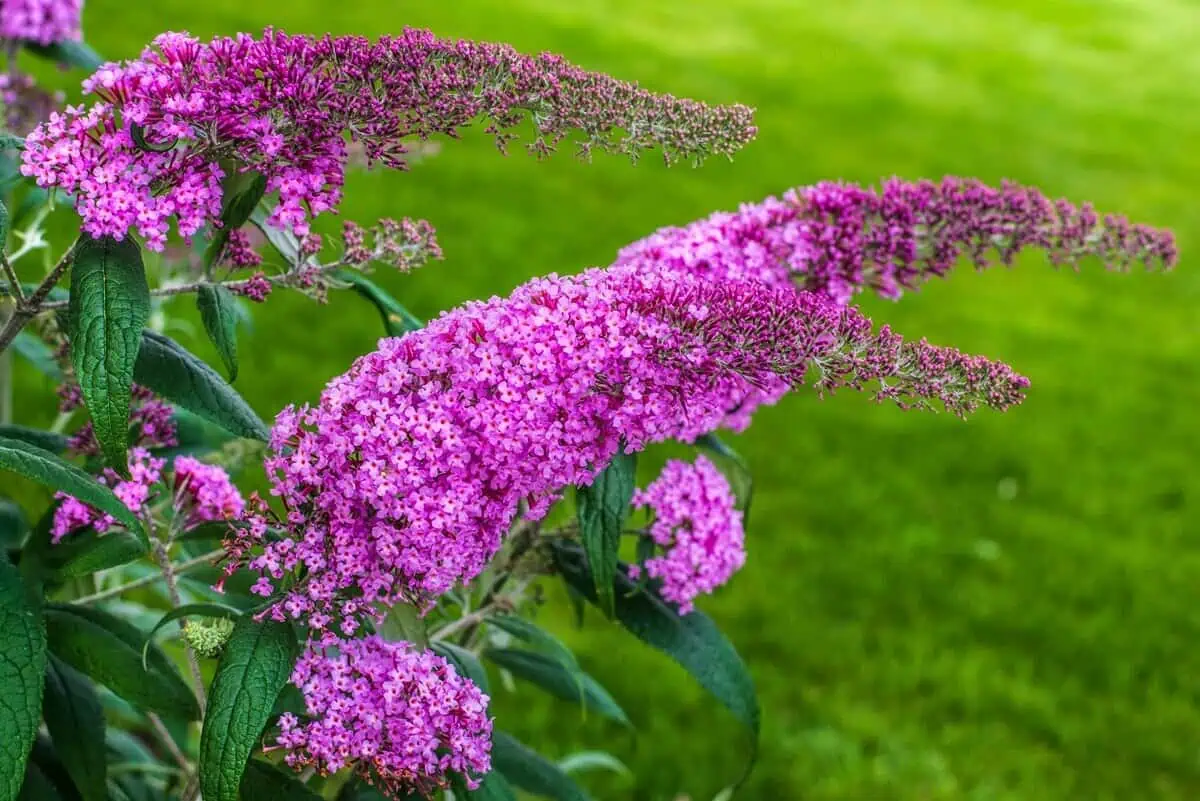
Butterfly bush roots quickly and enthusiastically from softwood cuttings taken in late spring.
Stems root fast because the plant is naturally vigorous and adapted to rapid growth. These shrubs have a high success rate without rooting hormone, though the hormone can speed things up.
One thing to keep in mind is local regulations. Butterfly bush is invasive in some regions, so propagation should match local guidelines.
Spirea (Spiraea spp.)
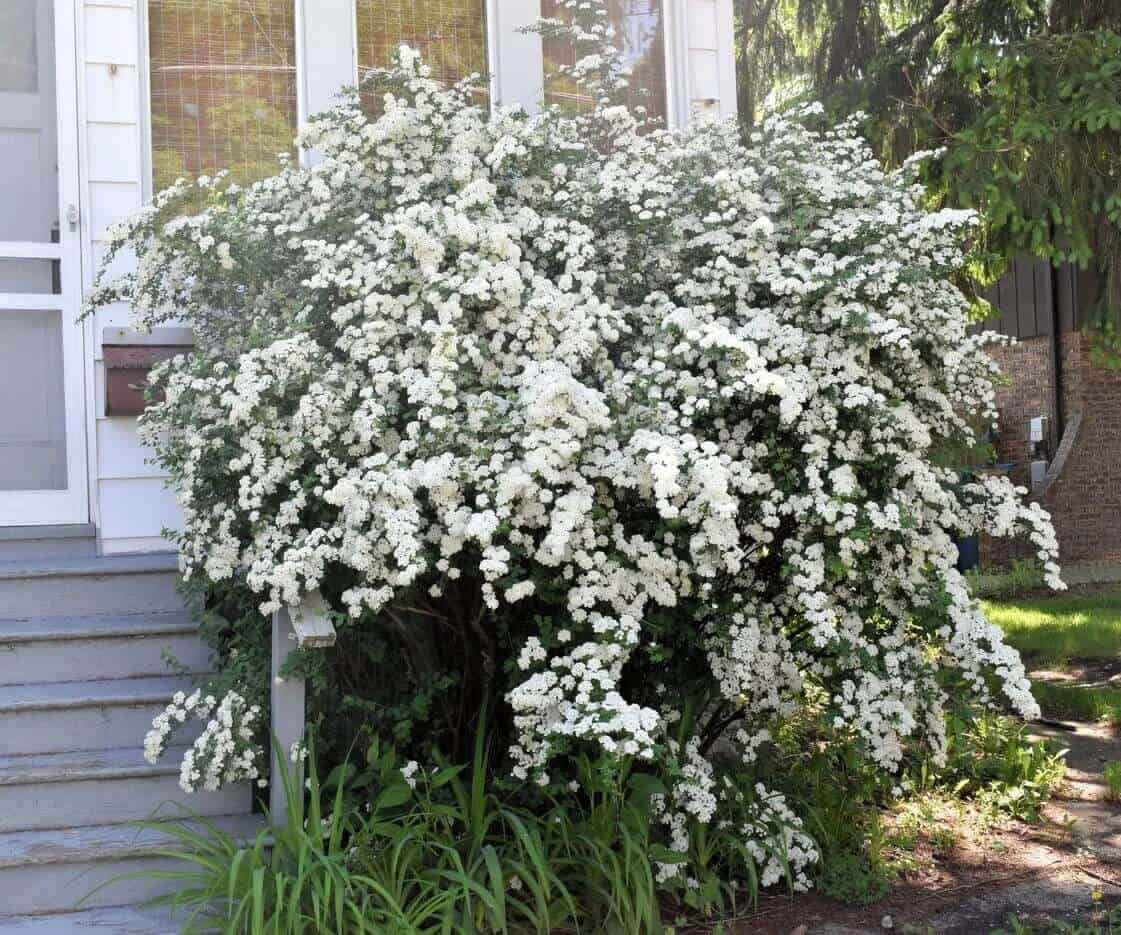
Spirea responds well to softwood propagation because its thin stems root easily under humid conditions.
Cuttings taken in early summer root in a few weeks and transplant well later in the season. Because spirea produces lots of new shoots each year, you have plenty of material to work with.
This makes it ideal for mass planting without mass spending.
Viburnum (Viburnum spp.)
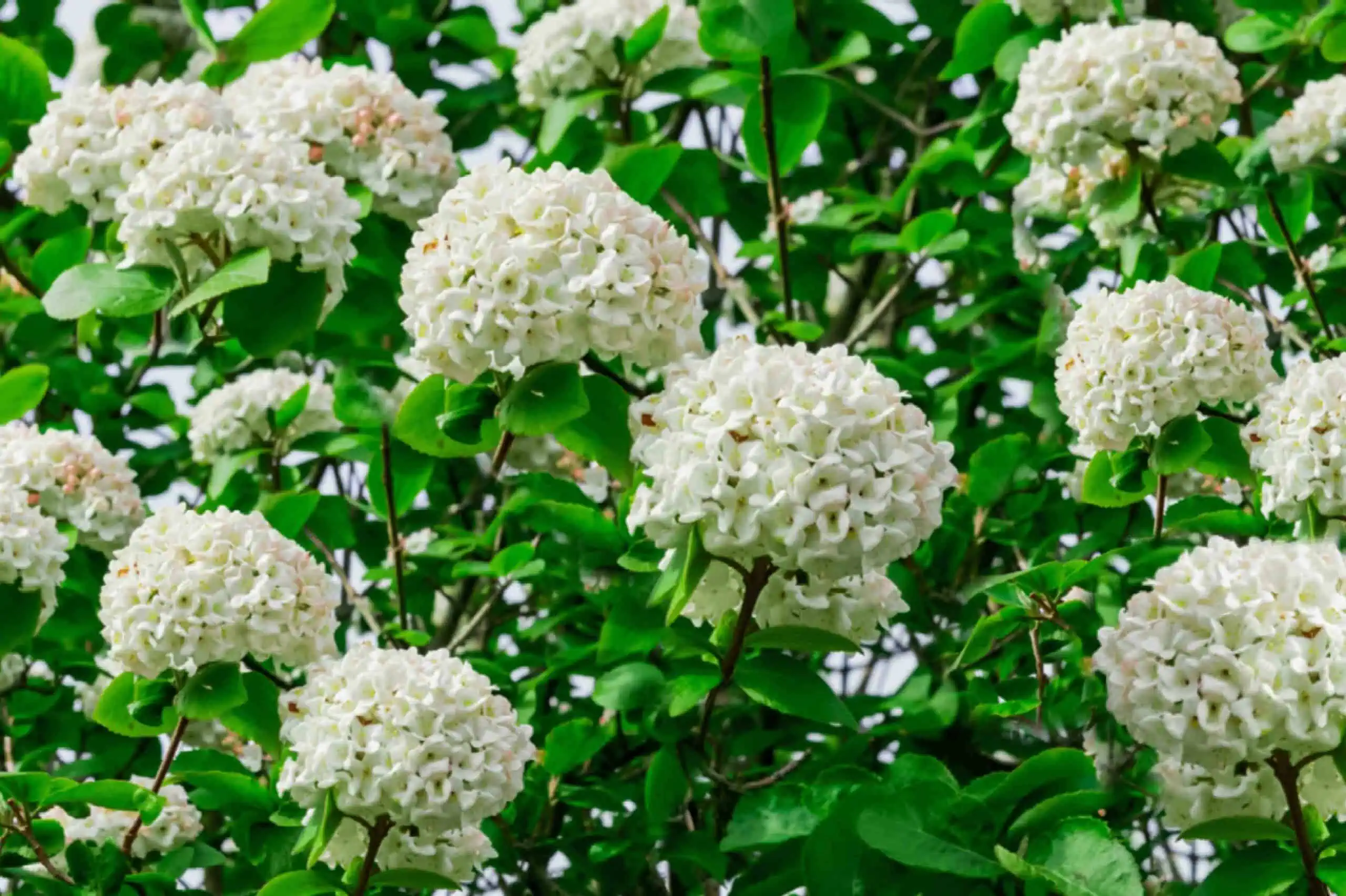
Viburnum species vary, but many root well from softwood cuttings in late spring.
Rooting success improves when cuttings are taken just as stems firm up slightly. Too soft and they wilt. Too hard and they stall.
Weigela (Weigela florida)
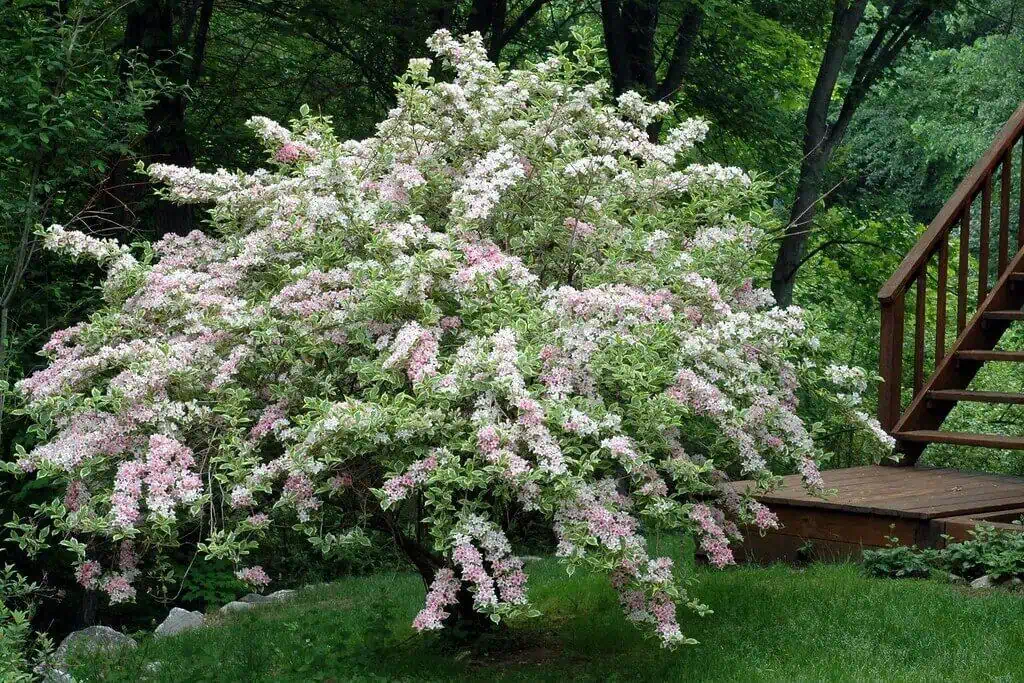
Weigela roots easily from softwood cuttings taken after flowering.
Stems root quickly and produce strong root systems, which leads to high transplant success. Given the right warmth and humid conditions, roots form in as little as three weeks.
It’s a great choice if you want fast results.
When to harvest the softwood cuttings
Timing is very important.
I always aim for stems that are firm enough to snap cleanly, but soft enough to bend before breaking. If it’s floppy like lettuce, it’s too young. If it’s woody and stubborn, you’re too late.
Early morning is an ideal time to harvest the cuttings since the plants are hydrated, and the cuttings start less stressed.
How to take softwood cuttings
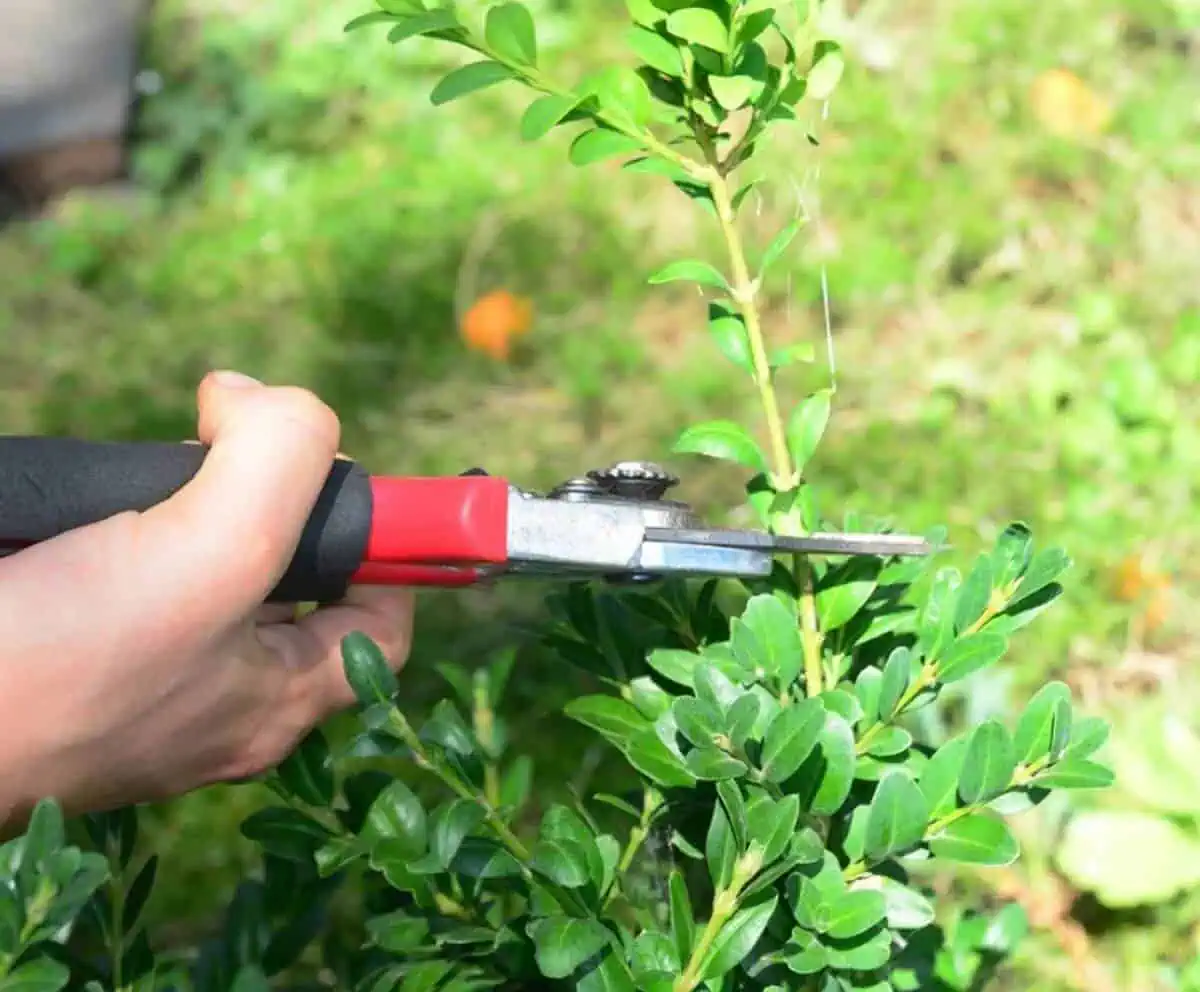
Cut 4 to 6 inches from the tip of a healthy, non-flowering shoot. Flowers steal energy, and rooting needs all they can get.
Remove the lower leaves, leaving just a couple at the top. This is because too many leaves increase water loss. Remember to take a clean cut just below a leaf node is key since that’s where roots like to form.
Rooting softwood cuttings successfully
High humidity is the secret sauce to avoiding cuttings drying out. A clear plastic dome, a cut soda bottle, or a loose plastic bag works fine to conserve the moisture.
Secondly, place the cuttings in bright indirect light with temperatures between 65 and 75°F. This explains why spring propagation often works better than summer heat waves (this is when those conditions are just right).
Shrubs that propagate well from hardwood cuttings
Hardwood cuttings are tougher and more patient. They’re perfect for deciduous shrubs that go dormant in winter. While these cuttings take longer, they require far less babysitting.
Forsythia (Forsythia spp.)
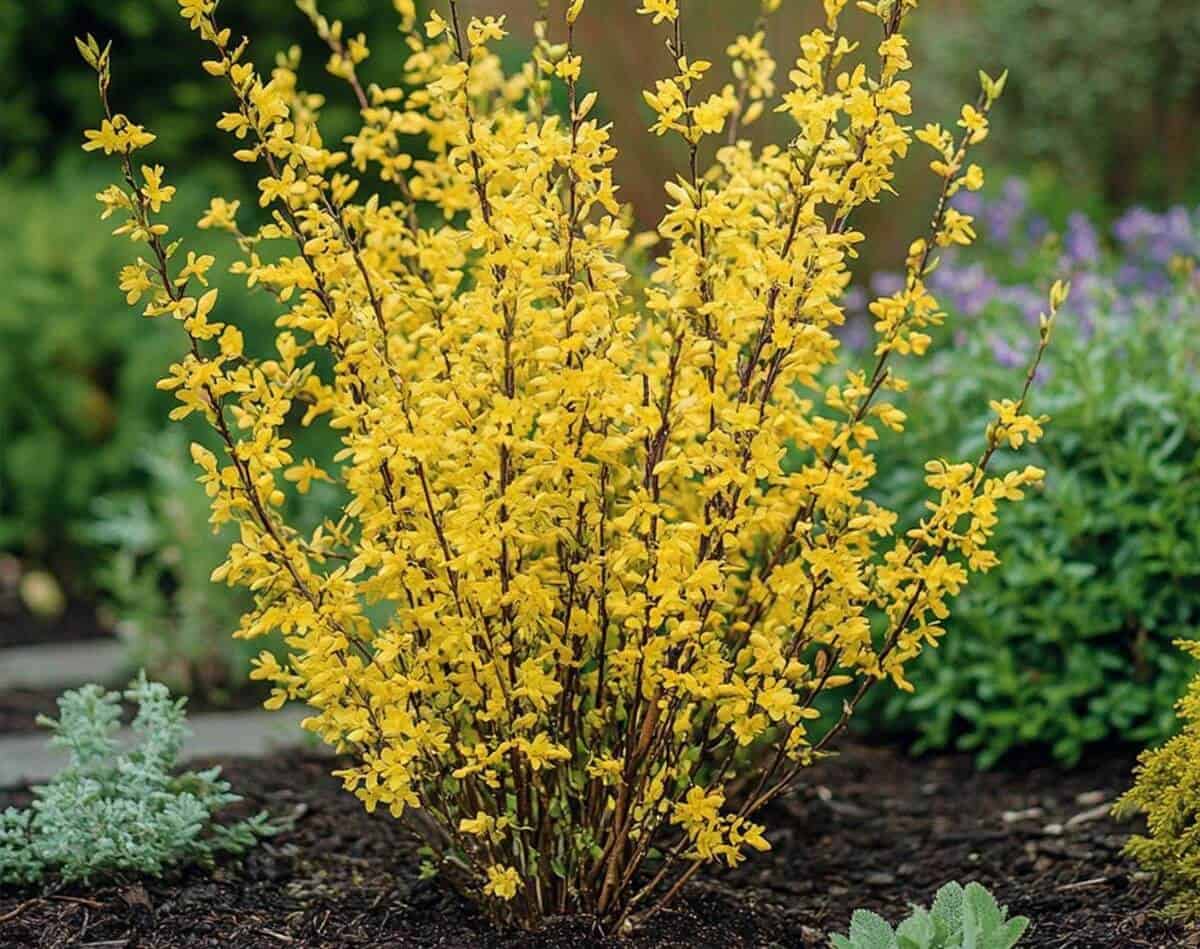
Forsythia might be the easiest shrub on this list. Hardwood cuttings taken in late winter often root with almost no encouragement.
The stems contain high levels of natural rooting hormones, which explains why many gardeners simply stick cuttings into soil and walk away. Spring root development is fast, and top growth follows soon after.
Dogwood Shrubs (Cornus spp.)
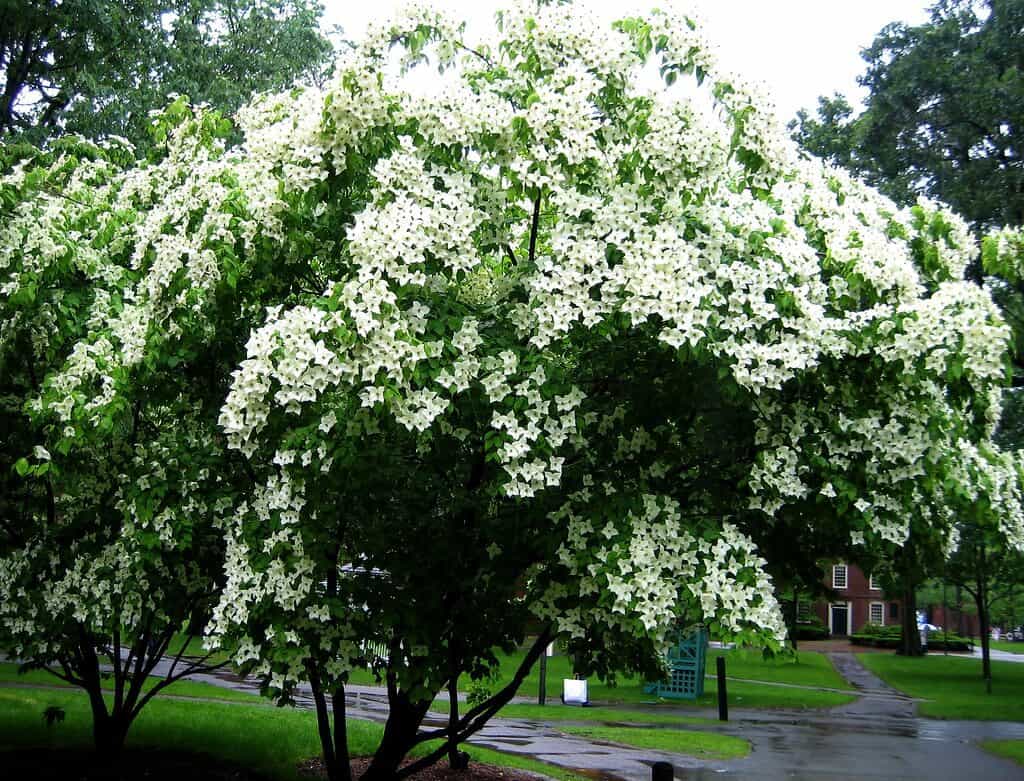
Shrubbery dogwoods, like red twig dogwood, propagate well from dormant hardwood cuttings.
The wood roots slowly but steadily, especially when cuttings are taken from one-year-old growth. Many conservation programs propagate dogwoods this way for erosion control and habitat restoration.
This is because they are able to attain the desired results much faster.
Lilac (Syringa spp.)
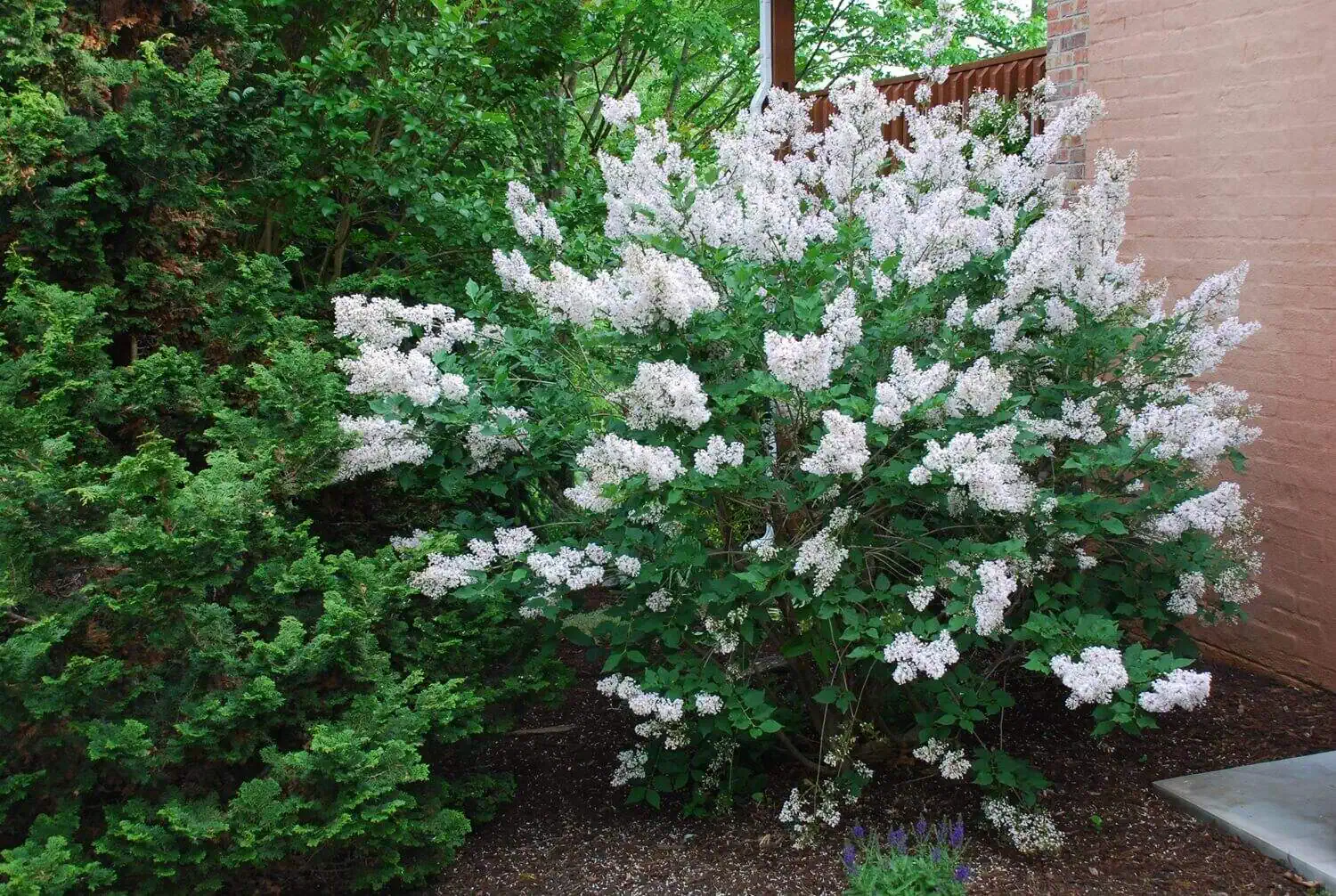
Lilac can work with both soft and hardwood cuttings, but the latter will test your patience.
Softwood cuttings root more readily, though success rates vary by cultivar. Hardwood cuttings are tougher and take longer, but they’re less prone to rot.
Therefore, the easiest method may not necessarily be cutting but rather layering or suckers’ propagation.
Privet (Ligustrum spp.)
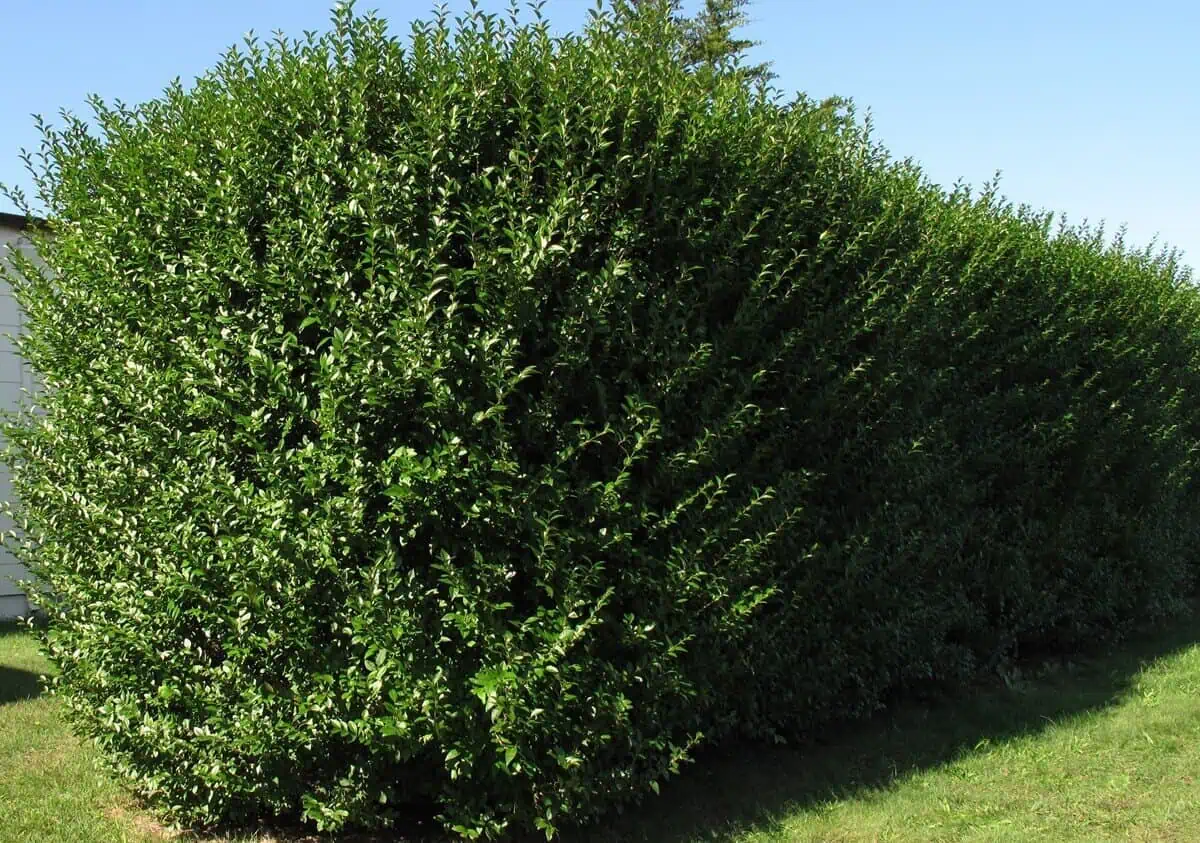
Privet is another shrub that almost feels like it wants to be propagated.
Dormant hardwood cuttings root readily and tolerate a wide range of conditions. That’s one reason it has been used so heavily for hedging.
Like butterfly bush, check local rules. Privet is invasive in some areas, and propagation should be done responsibly.
Willow (Salix spp.)
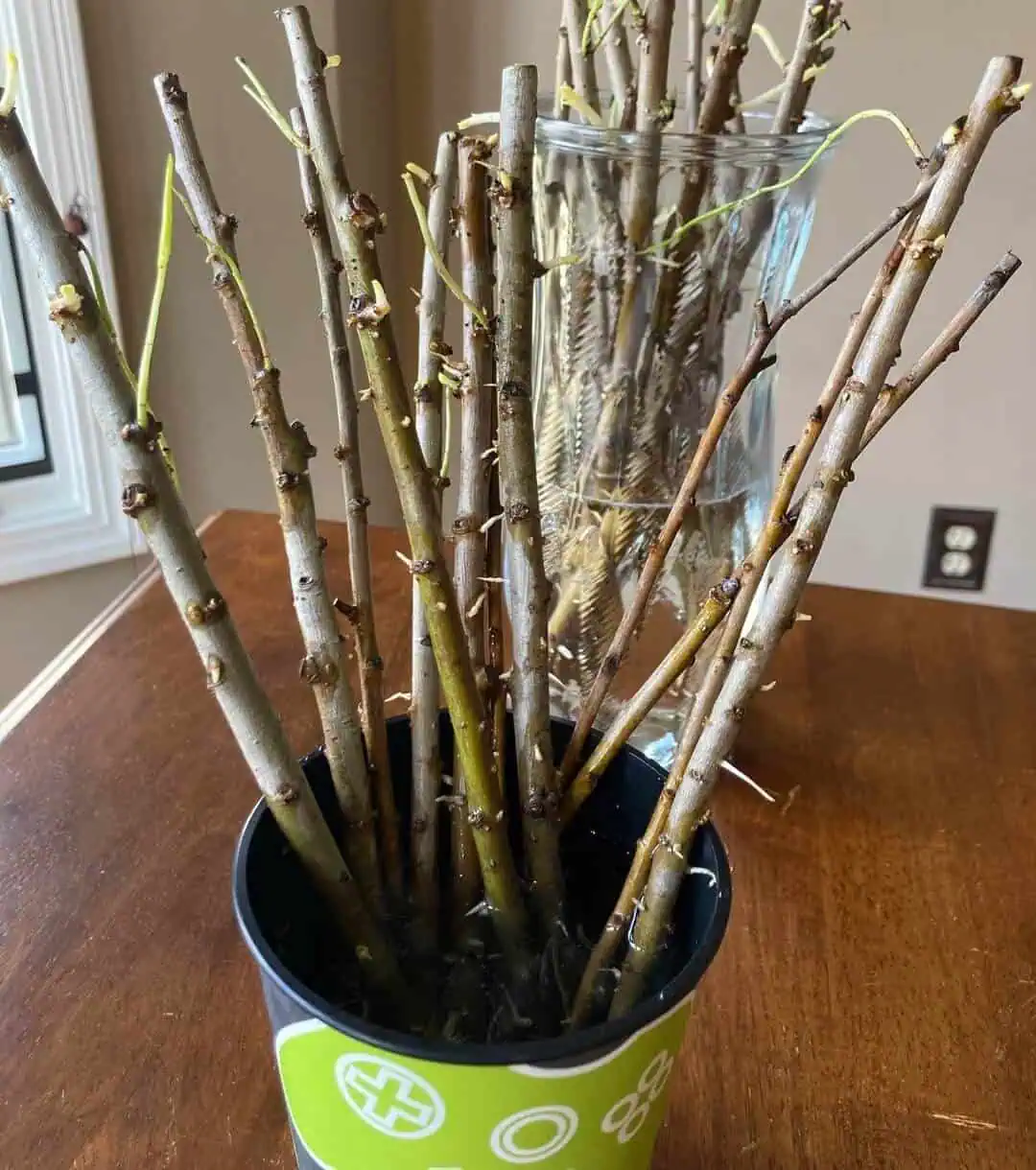
Willow deserves special mention because it’s almost unfair.
Dormant hardwood cuttings root extremely easily due to naturally high concentrations of rooting compounds. This trait is so strong that willow water is sometimes used as a homemade rooting aid.
If a willow cutting doesn’t root, something truly went wrong.
When to propagate hardwood cuttings
Late fall to late winter is prime time. The leaves are gone, growth has stopped, and energy is stored in the stems.
This dormancy reduces stress and rot. It also means fewer pests and diseases to worry about.
Many commercial nurseries rely heavily on hardwood propagation because of its reliability and low maintenance.
How to take hardwood cuttings
Look for pencil-thick stems from the previous season’s growth. Cut them into 6 to 10-inch sections. Each piece should have several nodes.
The bottom cut goes just below a node. The top cut goes above one. This helps with orientation later.
It’s surprisingly easy to plant them upside down, so paying attention here matters.
Planting and caring for hardwood cuttings
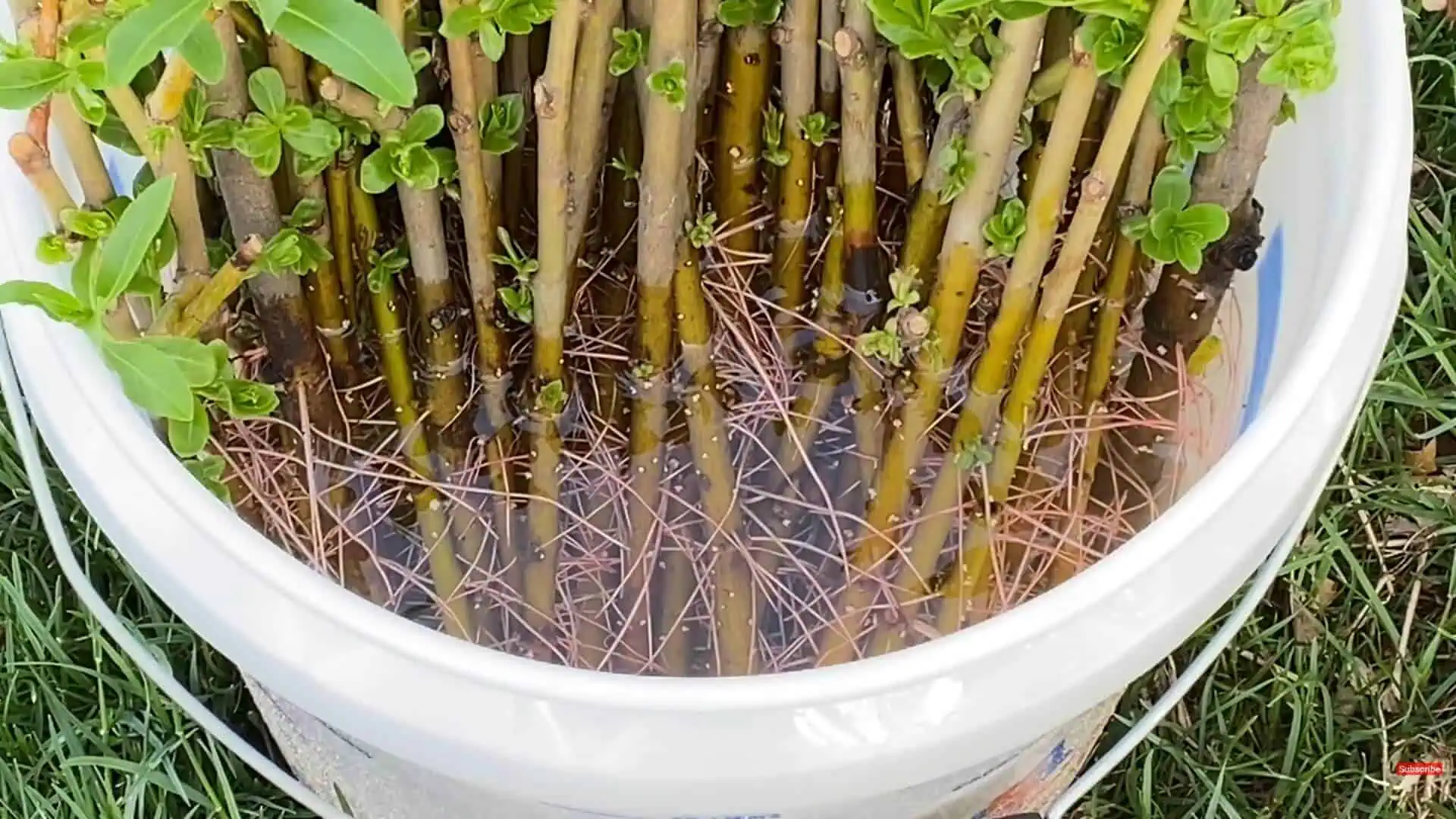
Hardwood cuttings don’t need humidity domes. Instead, you just need to insert them into well-draining soil, water, or sand, burying about two-thirds of the cutting.
They can overwinter outdoors in mild climates, or in a cold frame or unheated garage where winters are harsh.
Roots usually form in spring. Top growth often follows soon after.
Do you really need rooting hormone?
Short answer: not always.
Softwood cuttings benefit more from it than hardwood cuttings. Several studies show improved rooting percentages and faster root development, especially with difficult-to-root species.
But many shrubs root just fine without it.
Conclusion
If you’re new to propagation, start with shrubs known for cooperation, such as Forsythia, willow, hydrangea, and spirea.
But most importantly, remember to use clean and sterilized equipment, make sharp cuts that heal faster, thus reducing disease risk, and lastly, avoid overwatering your cuttings.
And once you see which shrubs respond best in your conditions, you’ll naturally make better choices and improve from there.