There’s nothing as fun as hosting an entertaining party with close friends in a glowing moon garden. This is exactly why the night gardening trend has taken off in recent times.
One of the ways to achieve a lively garden at night is the use of electric patio lights and glowing string bulbs. But there’s one that beats them all, using moon-reflective flowering plants that attract glowing fireflies.
Or better still, having a hybrid of both.
Therefore, if you dream of a moon garden alive with flickering lights, create the kind of place fireflies want to visit, court, hide, and raise the next generation.
Certain plants can help enormously. They hold moisture, feed pollinators, create cover, and build the layered softness these insects love.
Let’s check them out:
9+ Flowering Plants that Attract Fireflies in Your Night Garden
White Phlox (Phlox stolonifera)
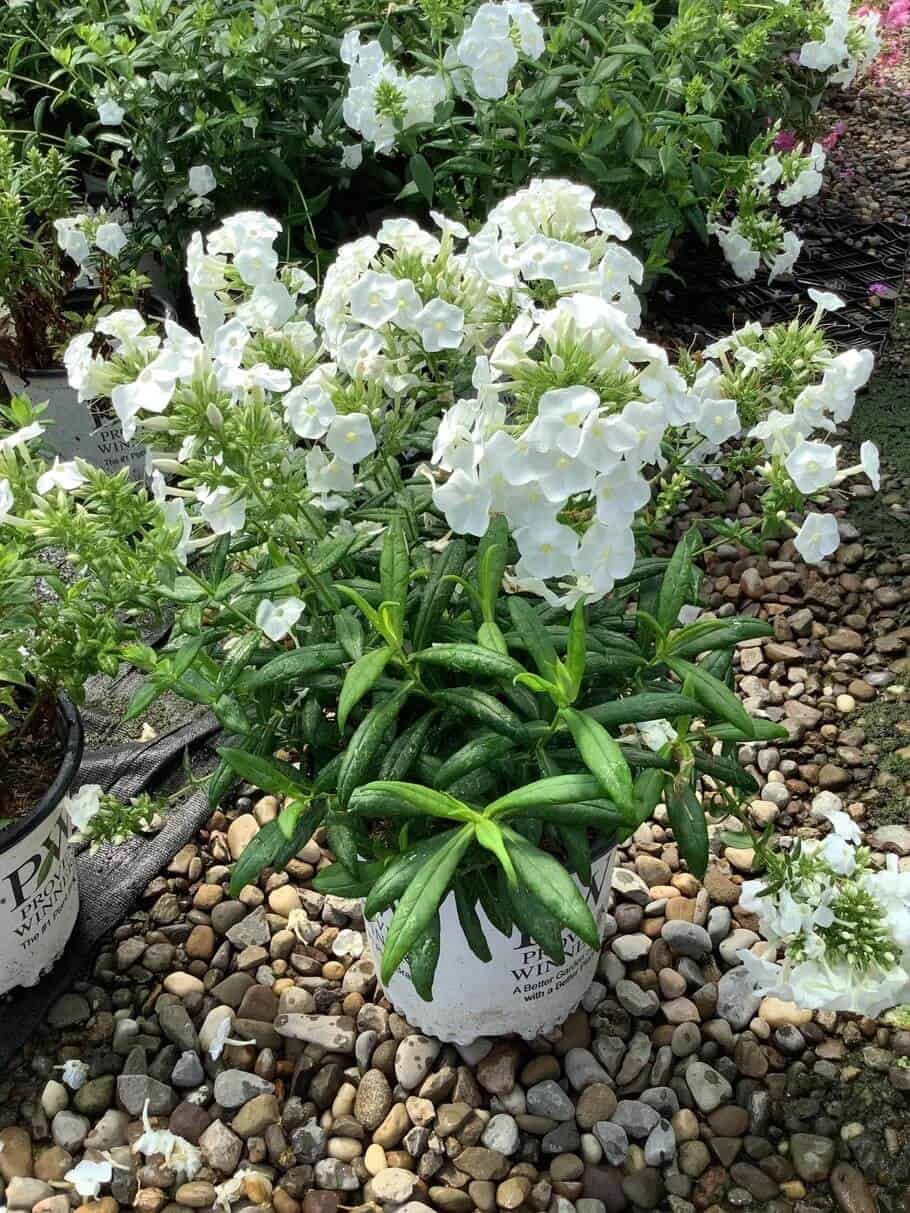
Image: Nature Hills Nursery
Garden phlox is one of those plants that seems to glow on its own. White varieties are especially striking in moonlight, almost hovering above the border. They also attract butterflies, moths, and bees during their bloom season.
Remember, a garden full of insect activity tends to be richer, softer, and more functional than one built only for looks or to attract a single species of pollinators.
Plant phlox where it gets good airflow, since mildew can be an issue. Water at the base, not over the leaves.
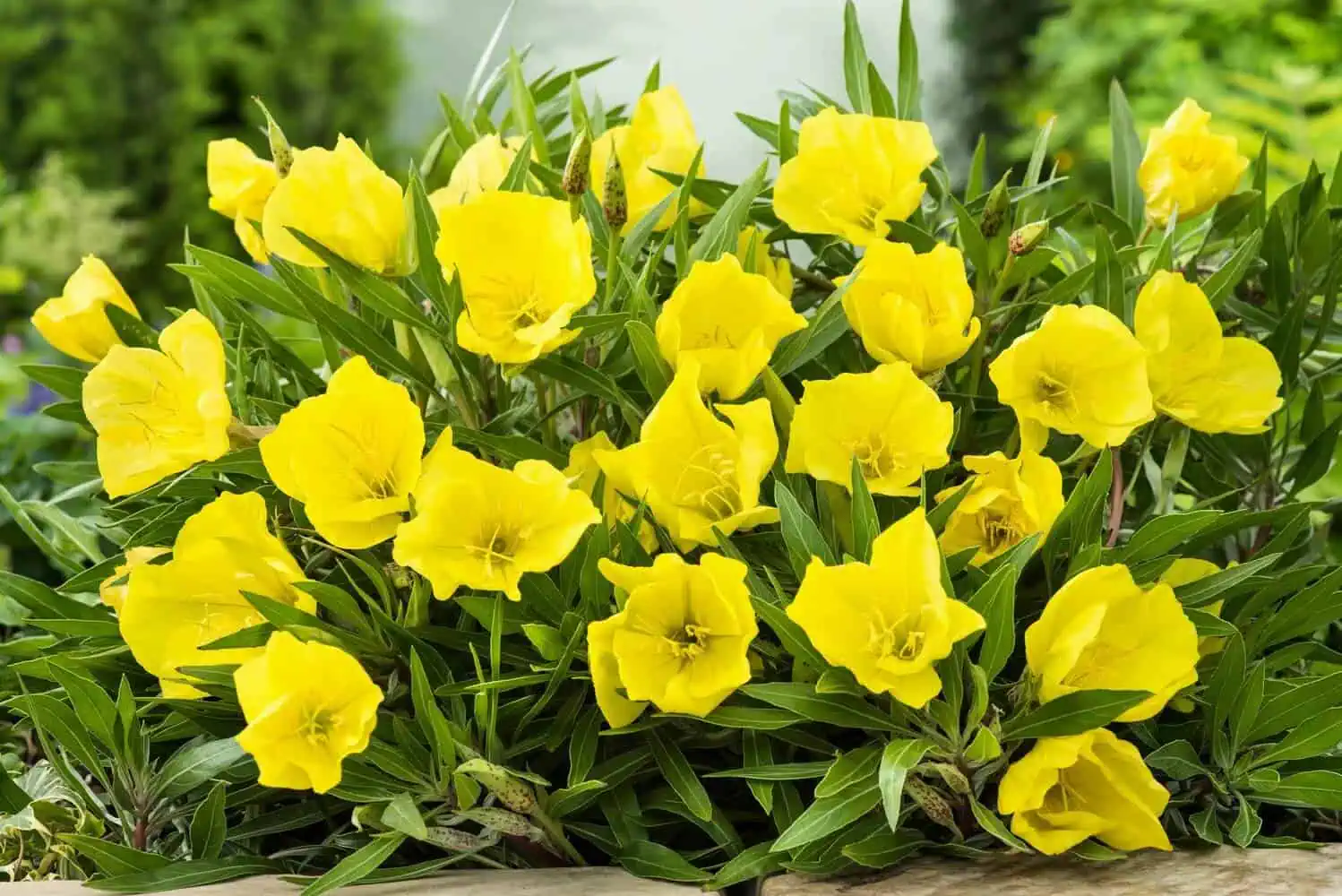
Evening Primrose (Oenothera biennis)
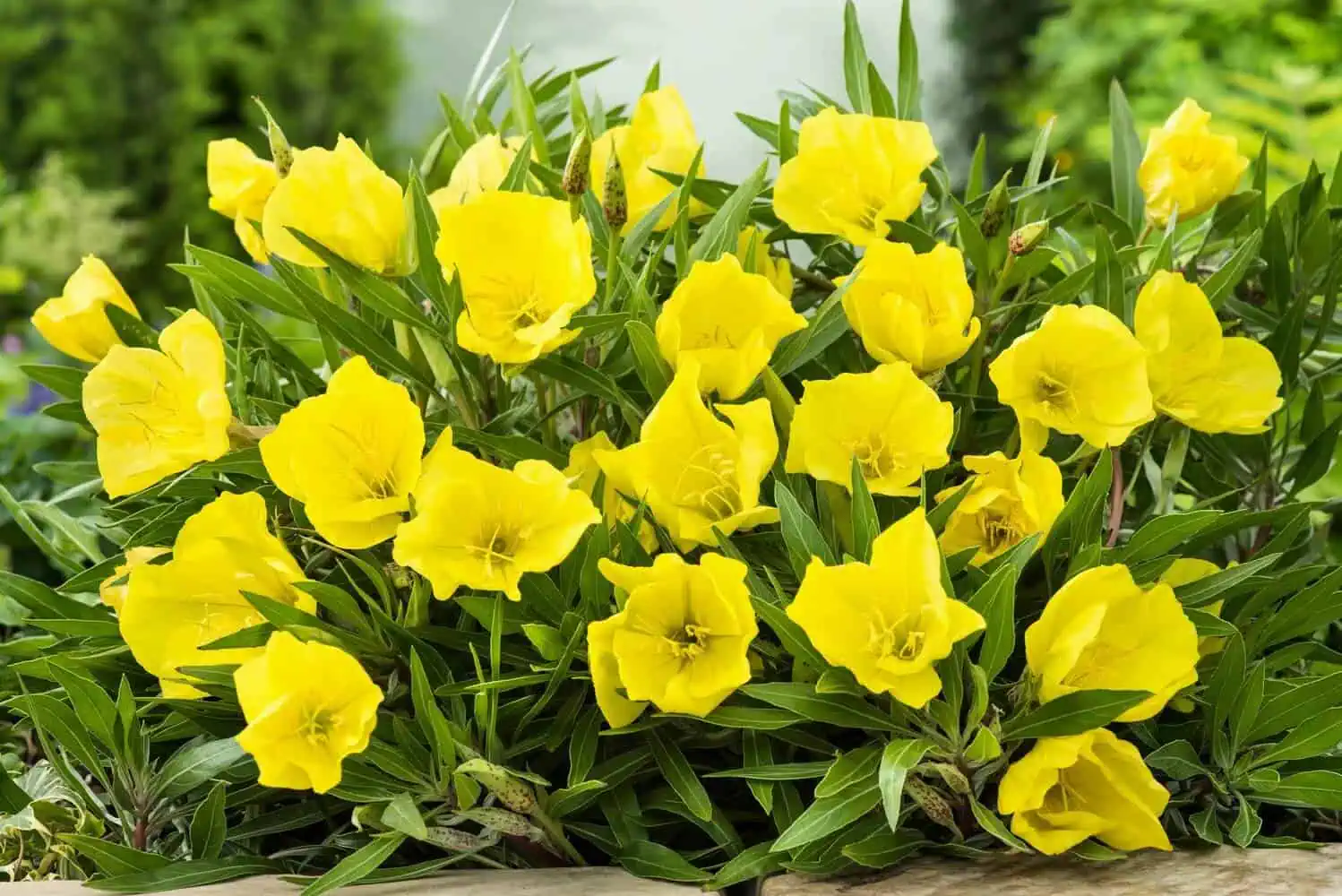
Image: Egmont Seeds
Many species of evening primrose open or freshen toward dusk, releasing fragrance and attracting night pollinators.
That nightly rhythm turns your moon garden into an active space exactly when fireflies begin their show.
Even if the primrose isn’t feeding the fireflies directly, it helps create a nighttime ecosystem rather than a silent, decorative bed.
White Tobacco (Nicotiana sylvestris)
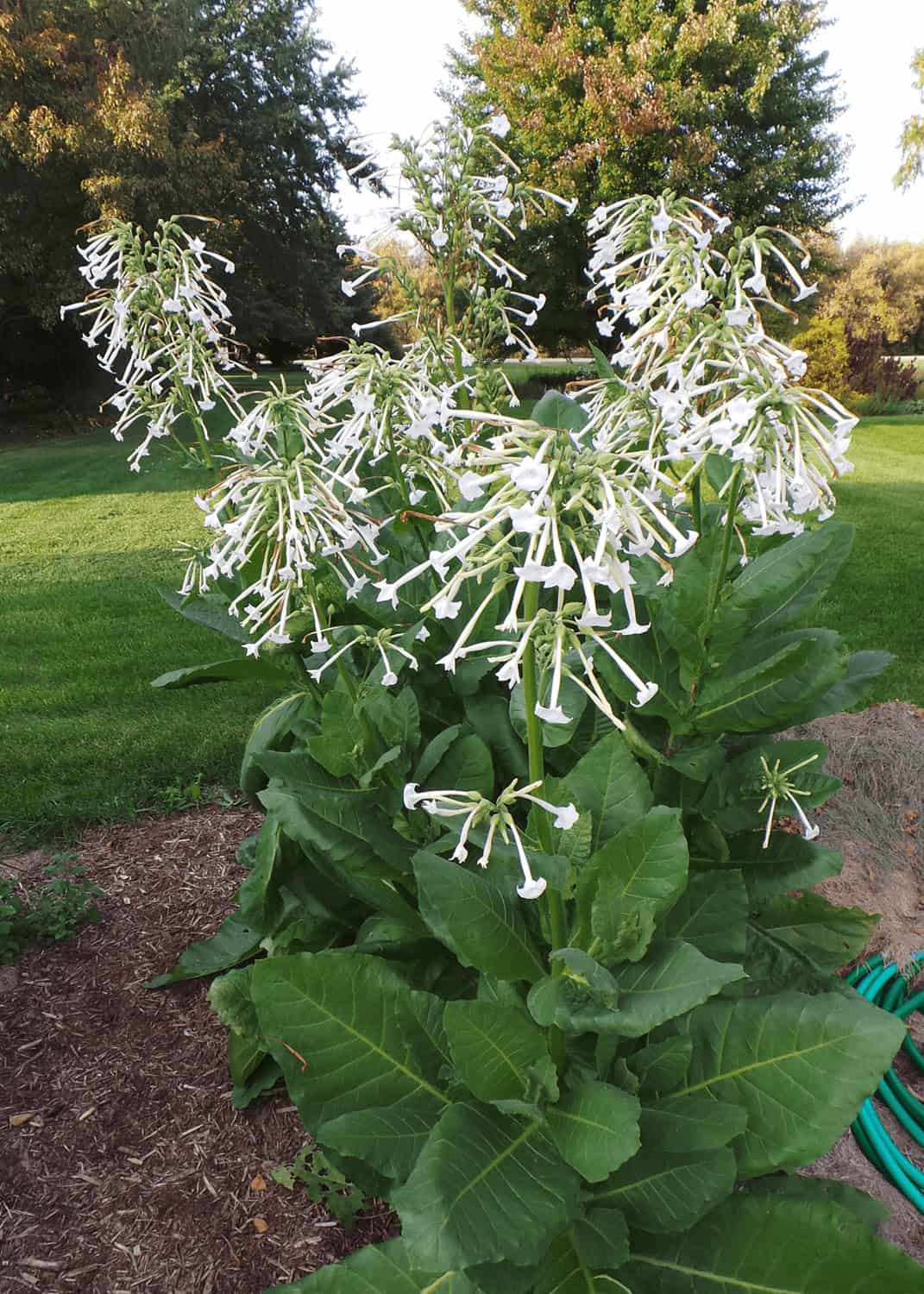
Also known as the White Shooting Stars or Flowering tobacco, these plants are great for their intoxicating fragrance.
During the day, they look elegant, and at dusk, they become the garden’s perfume diffuser.
Fragrant flowers attract moths and other evening insects, which helps support the wider web of nighttime life. Fireflies often appear where evenings feel biologically busy.
Place Nicotiana near seating areas or paths. This is one of those plants best appreciated when you can linger nearby with a cup of tea or a glass of wine.
Moonflower Vine (Ipomea alba)
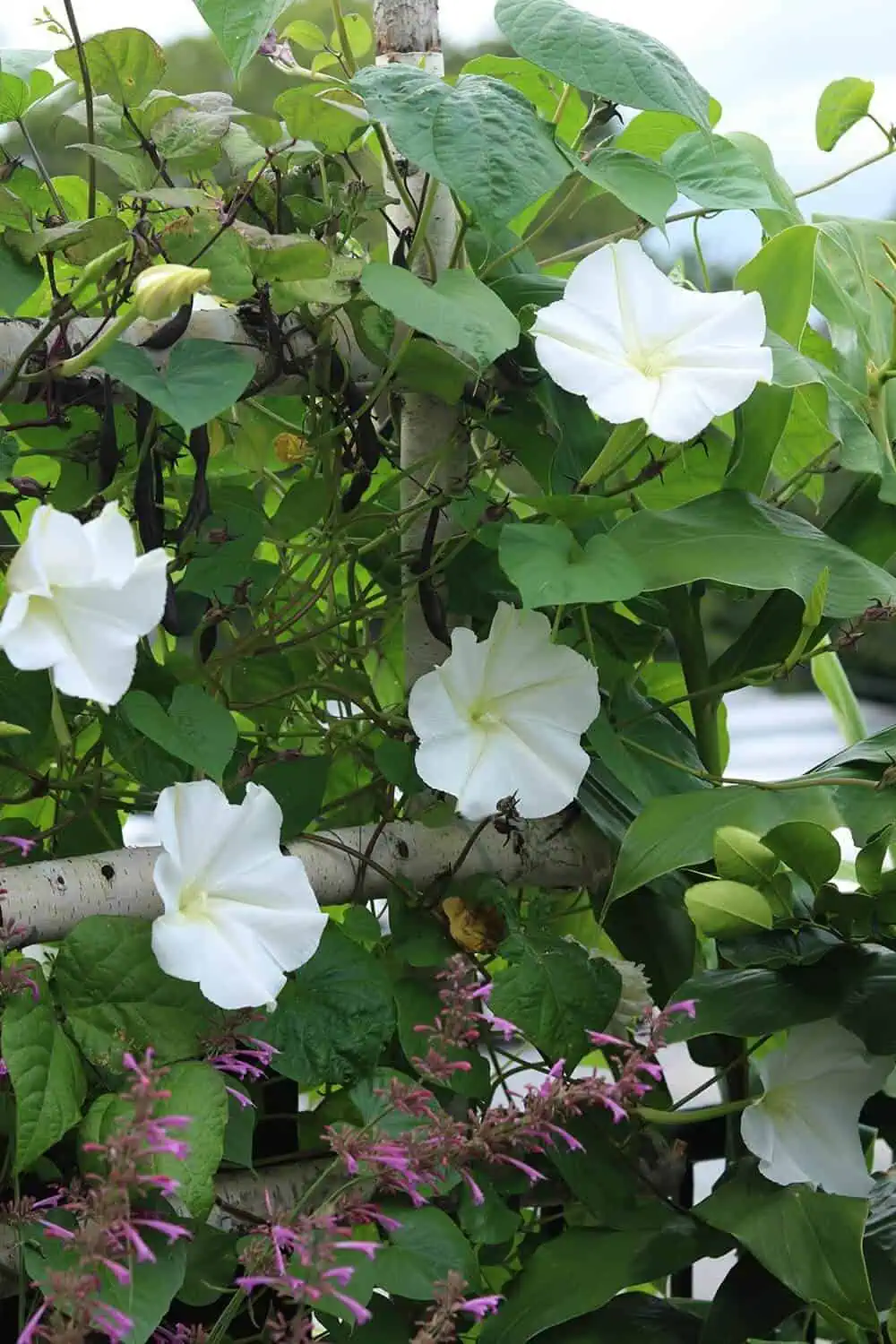
Image: Marie Viljoen
Moonflower vine produces large white blooms that unfurl in the evening. Watching one open feels like catching a secret.
It’s not a direct firefly magnet in the strict sense, but it turns vertical space into nighttime habitat and creates the layered enclosure fireflies seem to prefer.
Gardens with walls of foliage, trellises, shrubs, and lower planting often feel safer and more sheltered than flat lawns.
Grow it on an arbor or fence where you can see it from indoors. Some nights, the flowers and fireflies compete for attention.
Native Grasses
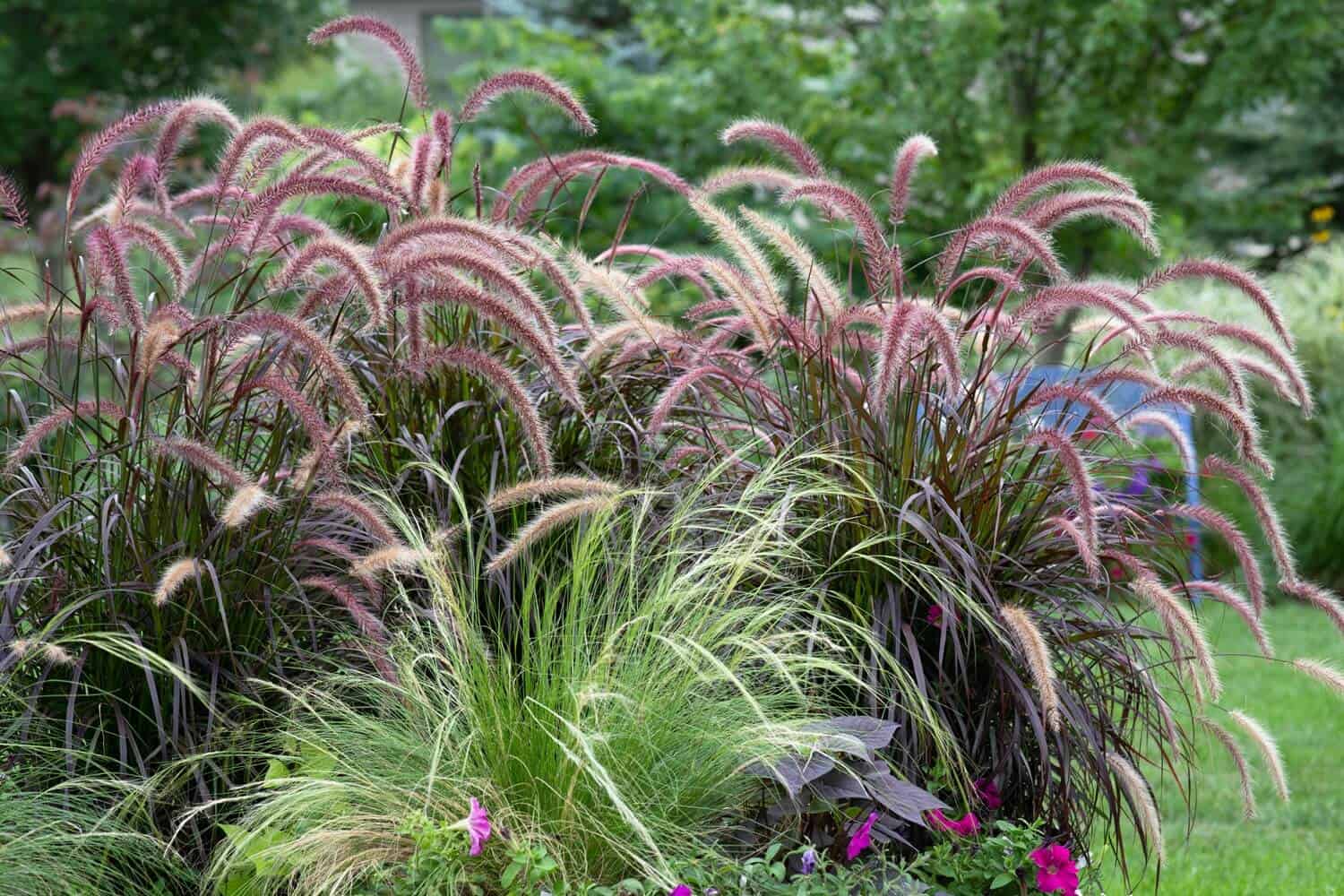
Native grasses provide cover, retain humidity near the soil, and create places for insects to shelter.
Many fireflies rest in grasses during the day and use taller stems as launch points at night. A clipped lawn offers almost none of that. A soft edge of grasses offers plenty.
Try switching even a small strip of lawn to native bunch grasses or meadow planting. It can change the whole feel of the yard.
Hostas and Other Shade Foliage Plants
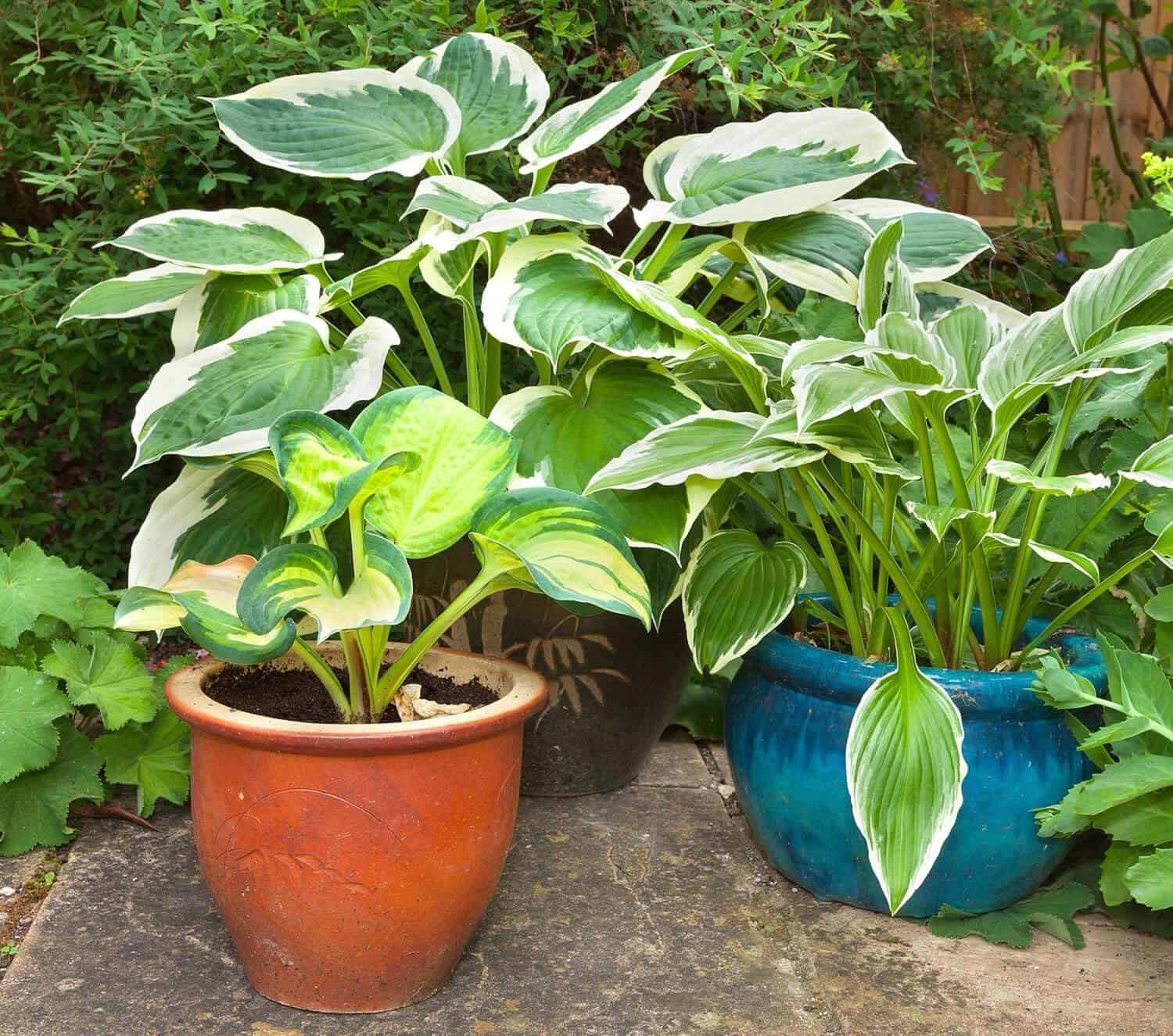
Not every useful plant needs flowers. Shade plants with broad leaves help cool the ground and hold moisture. This is very vital because firefly larvae often need damp soil conditions.
Hostas, ferns, coleus, and other lush foliage plants create the kind of humid understory many insects appreciate. They also look wonderful in moonlight, where texture becomes more important than color.
Use them under trees, beside paths, or near water features.
Summersweet (Clethra alnifolia) and Other Shrubs
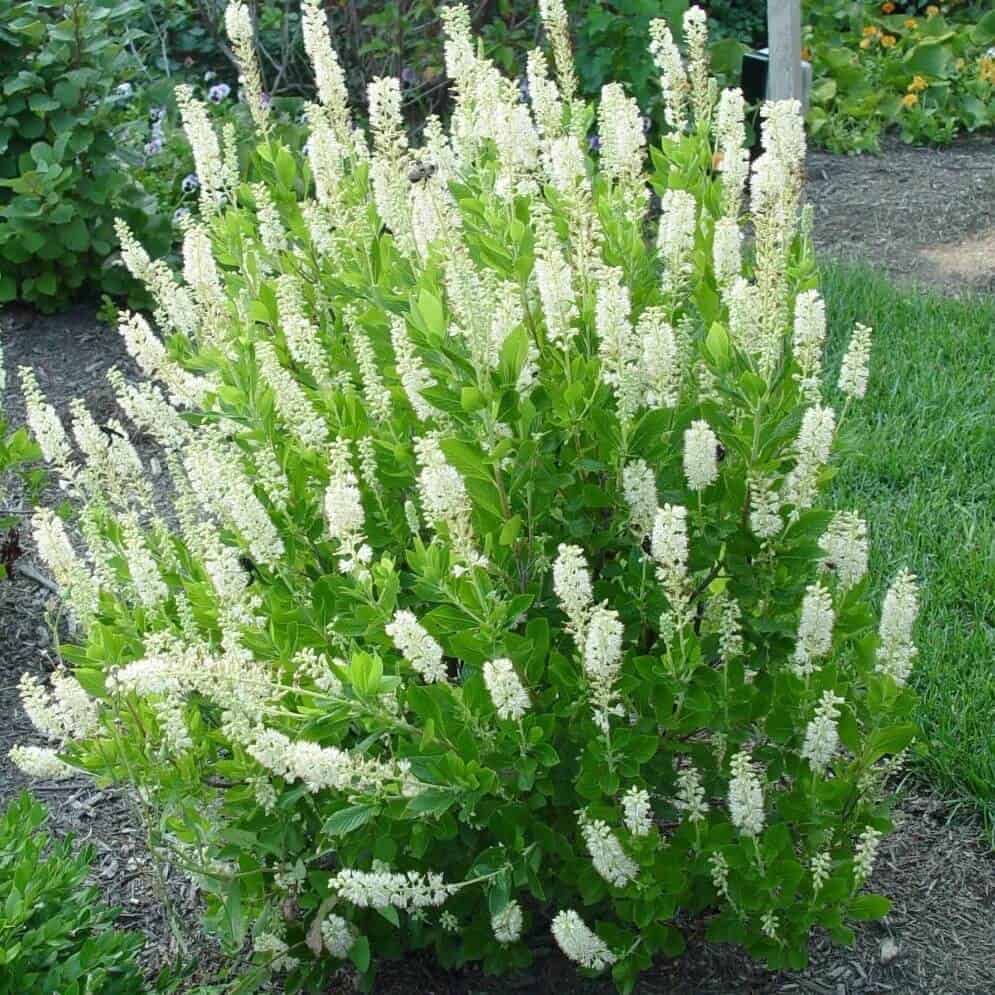
Image: Howsweetgarden.com
A moon garden made only of perennials can feel exposed. Small shrubs add structure, nesting spots for birds, wind protection, and deeper layers of habitat.
Consider native viburnums, hydrangeas, summersweet, or other regionally adapted shrubs. Summersweet is especially valuable for fragrance and pollinator support.
Cardinal Flower (Lobelia cardinalis)
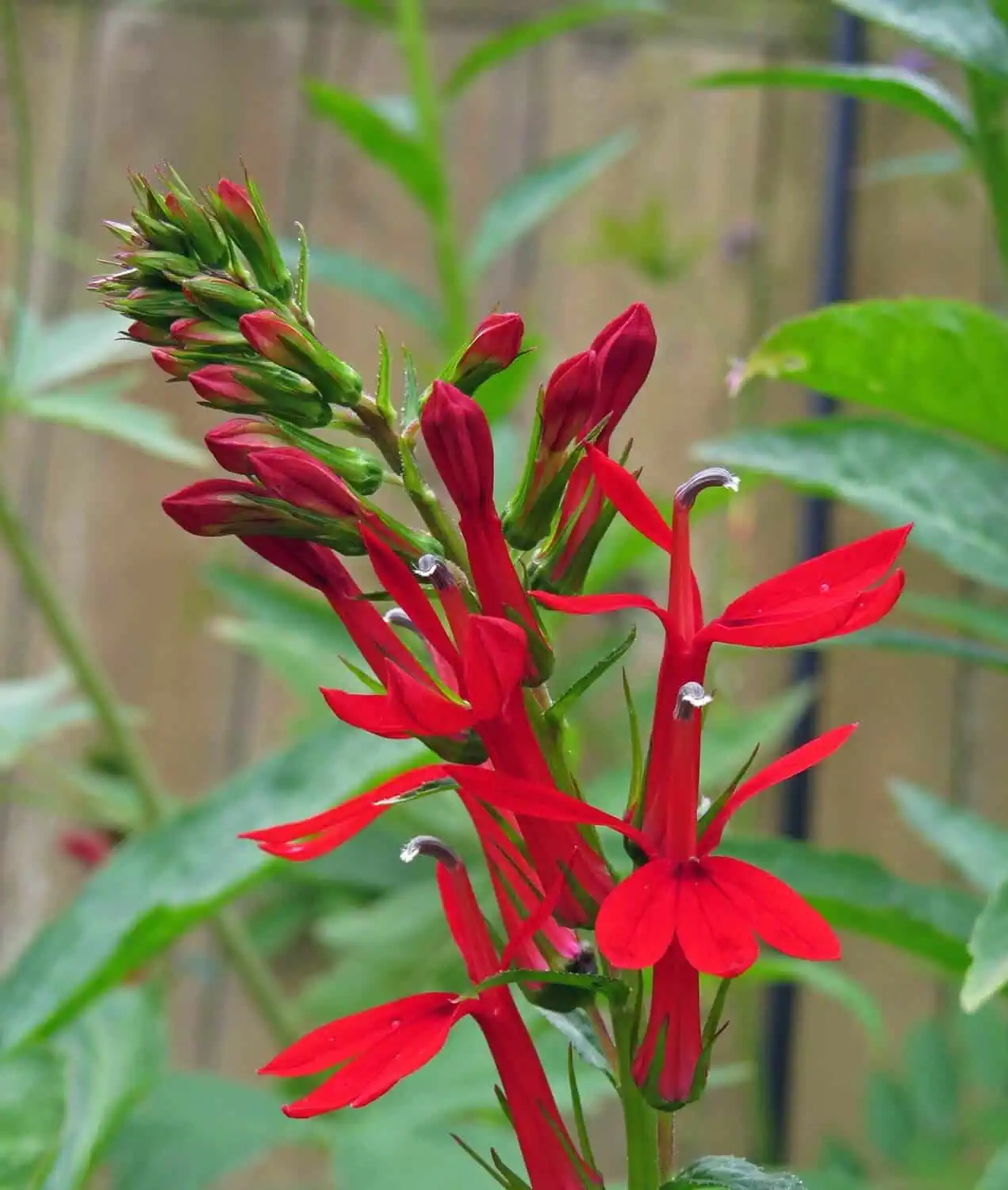
Plant near water bodies if you have the space and budget.
This is because some firefly species are strongly associated with moist meadows, pond edges, stream banks, or marshy ground. If you have a rain garden, pond, or naturally damp area, utilize it this way.
Other moisture-loving plants include iris, joe-pye weed, and sedges. These zones can become biodiversity hotspots in summer.
Even a small basin that catches runoff and supports planting can outperform a dry ornamental bed when it comes to insect life.
Easy Tips when it comes to fireflies
Fireflies are beetles, and many species spend most of their lives as larvae in soil or leaf litter. Those larvae often feed on soft-bodied creatures like slugs, snails, and worms. Adults of some species feed on nectar or pollen, while others barely feed at all and focus on mating.
That means a firefly-friendly garden needs more than flowers. It needs damp pockets, natural mulch, places to hide, and a little tolerance for mess.
If you only change one thing, reduce unnecessary nighttime lighting. Darkness is part of the garden design now.
What Makes a Great Moon Garden Plant for Fireflies?
Not every white flower earns a place here. A useful moon garden plant for fireflies usually does one or more of these jobs:
- Reflects moonlight beautifully, so the garden still shines before the insects arrive.
- Provides nectar or pollen for night-active insects and pollinators.
- Creates low cover where moisture lingers.
- Supports a broader food web, which helps insect life overall.
- Thrives without constant chemical intervention.
If you’ve noticed, some of those conditions may bring other problems, including harboring pesky mosquitoes. Therefore, it’s important to plant other subtle plants that can help with repelling mosquitoes but don’t necessarily chase fireflies.
Here’s a great list of such plants – 19 Potted Plants that Repel Mosquitoes on Your Patio.
Conclusion
When it comes to night gardening, choosing appropriate plants is important. But remember to also think of the biodiversity.
And while at it, avoid routine pesticide spraying, especially broad-spectrum insecticides. These chemicals don’t remove only the “bad bugs.” But the good guys (fireflies) as well.
It’s also essential to avoid over-lighting the garden since fireflies use light signals to find mates. If you want a list of plants that attract all the good bugs, here’s the complete list.