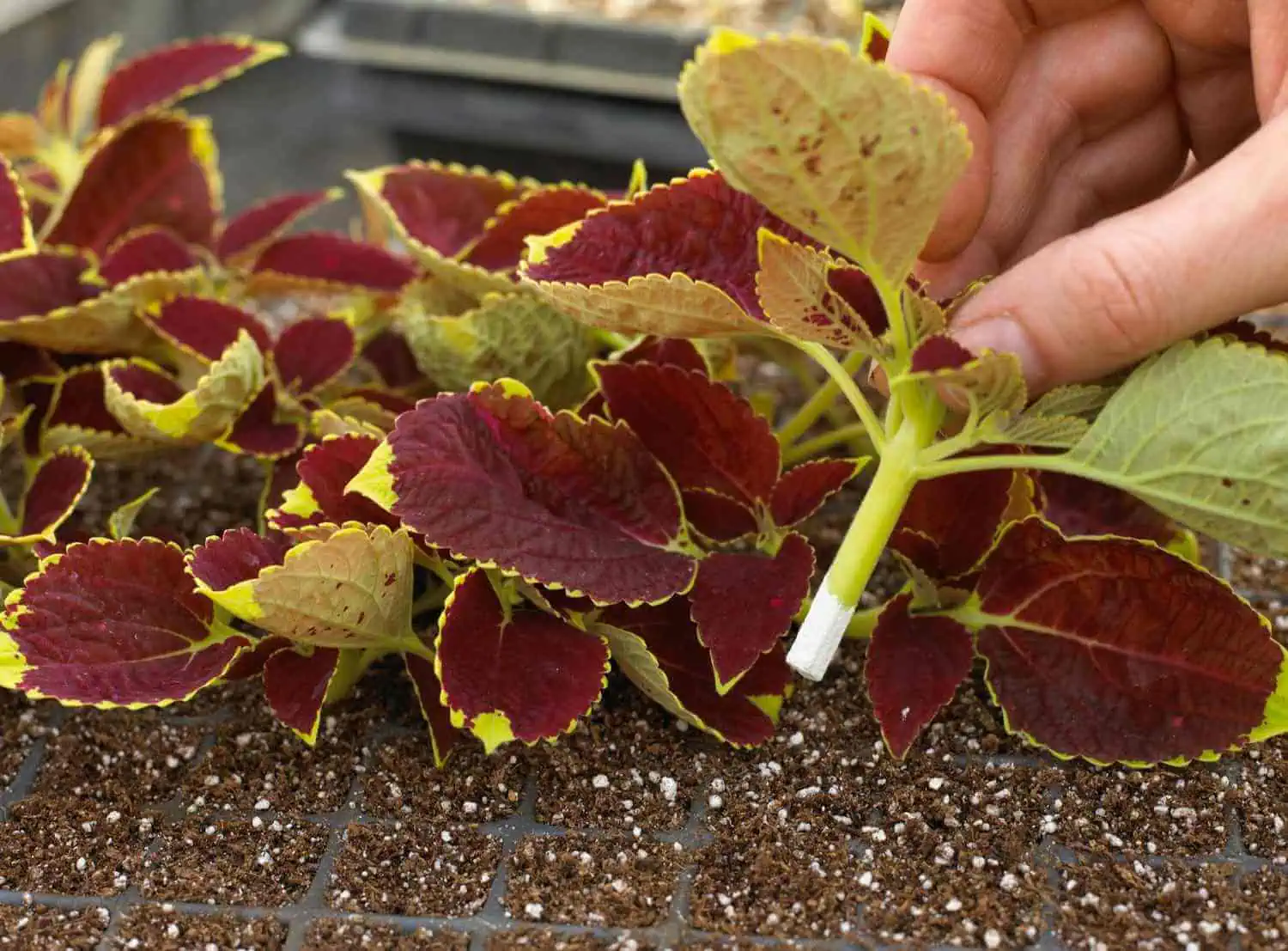
First and foremost, plant propagation is the process of increasing or multiplying the number of plants of a particular species from existing sources such as seeds, cuttings, and other plant parts.
Now, when it comes to tending houseplants, the process elicits mixed feelings among gardeners, depending on their past experiences.
For instance, if your first try with a certain cultivar were successful, you’d probably enjoy and consider plant propagation as an easy activity. This is contrary to someone who tried, and it never worked.
In truth, success and failure depend on the specific propagation approach and the plant in question. It explains why there isn’t one “best” propagation method.
Therefore, while propagating, some cuttings may work in water, others may struggle in the soil, and vice versa. Besides, some houseplants may prefer neither. Instead, preferring multiplication through offsets, runners, or division.
In today’s post, you’ll learn how to propagate houseplants in water and soil through cuttings, layering, division, and much more.
Propagating Houseplants in Water
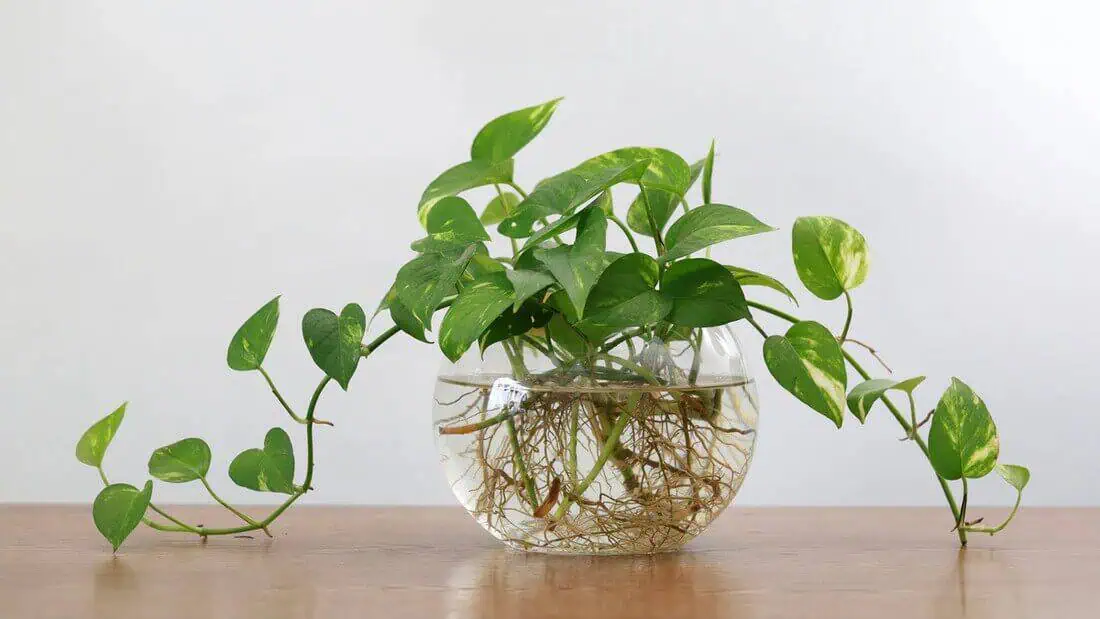
Propagating plants in water has become quite popular in recent times. With good reasons, of course. For starters, you get instant feedback about what's happening in terms of rooting.
That sounds like an insignificant advantage until you've waited several weeks wondering whether roots exist under the soil. For those of us who’re inpatient, we begin uprooting the cuttings just to get a glimpse of what’s happening.
Growing in water, however, lets you track progress and catch problems early.
This method works especially well for many common houseplants with visible nodes, including pothos, philodendrons, tradescantia, monstera, and coleus.
To propagate your houseplants in water, pay attention to the node, which is the area where leaves, roots, and future growth emerge.
Next, take a cutting below a node, remove leaves that would sit underwater, and place that section in clean, room-temperature water and give it bright, indirect light.
Refreshing the water weekly helps maintain oxygen levels and reduces bacterial buildup. One caveat, though. You need to transplant the plants as soon as possible
This is because roots grown in water adapt to constant moisture. Leave them there for months, and some cuttings struggle when moved to soil. Therefore, once the roots are a few inches long and branching, pot them up while they’re still flexible.
Here are some plants to grow in water indoors.
Propagating Plants in the Soil
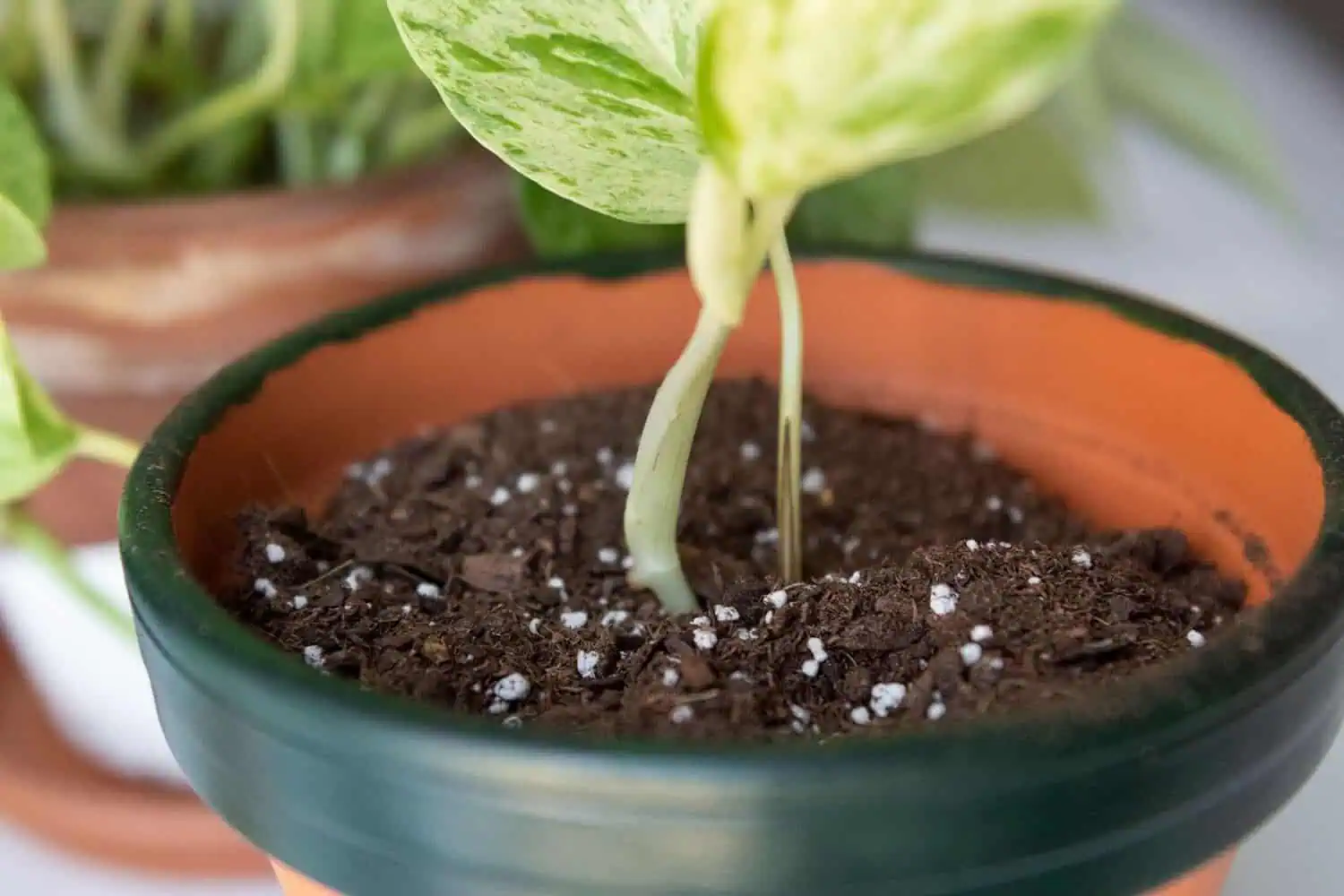
Credit: The Spruce
Soil propagation doesn’t give you the visual reward of watching roots appear. Instead, you plant the cuttings and trust the process.
The biggest advantage of soil propagation is the fact that the plant develops roots directly in the environment where it’ll continue growing.
However, avoid dense soil mixes that hold too much water and reduce airflow around developing roots.
A light potting mix with added perlite or bark creates conditions that encourage both moisture retention and oxygen movement.
For most propagated plants, fertilization is seldom required, and whatever you do, don’t disturb your rooted cuttings by tugging on them unnecessarily. Digging up a cutting to check for roots resets the root development progress.
Propagation Method and Other Considerations
Most people wonder whether they should propagate their plants in water or soil. And it’s a fair first consideration. But the best way to approach it depends on the type of houseplant you want to propagate.
This is because houseplants propagate differently. After all, they evolved differently. Trailing tropical plants, for example, often root readily from stem nodes because, in nature, they spread across the forest floor.
Plants with underground rhizomes prefer division. Succulents rely on stored moisture and need time to seal wounds before rooting.
That means choosing the method should come after identifying how the plant naturally reproduces.
Before making any cuts, check whether the parent plant is actively growing. Healthy stems, firm leaves, and recent new growth usually lead to better results than trying to rescue a stressed plant by propagating it.
Spring and early summer are usually ideal because plants have more energy available for producing roots. Indoor propagation still works outside peak growing season, but expect slower success rates.
7 Methods for Propagating Plants
Growing Houseplants from Seed
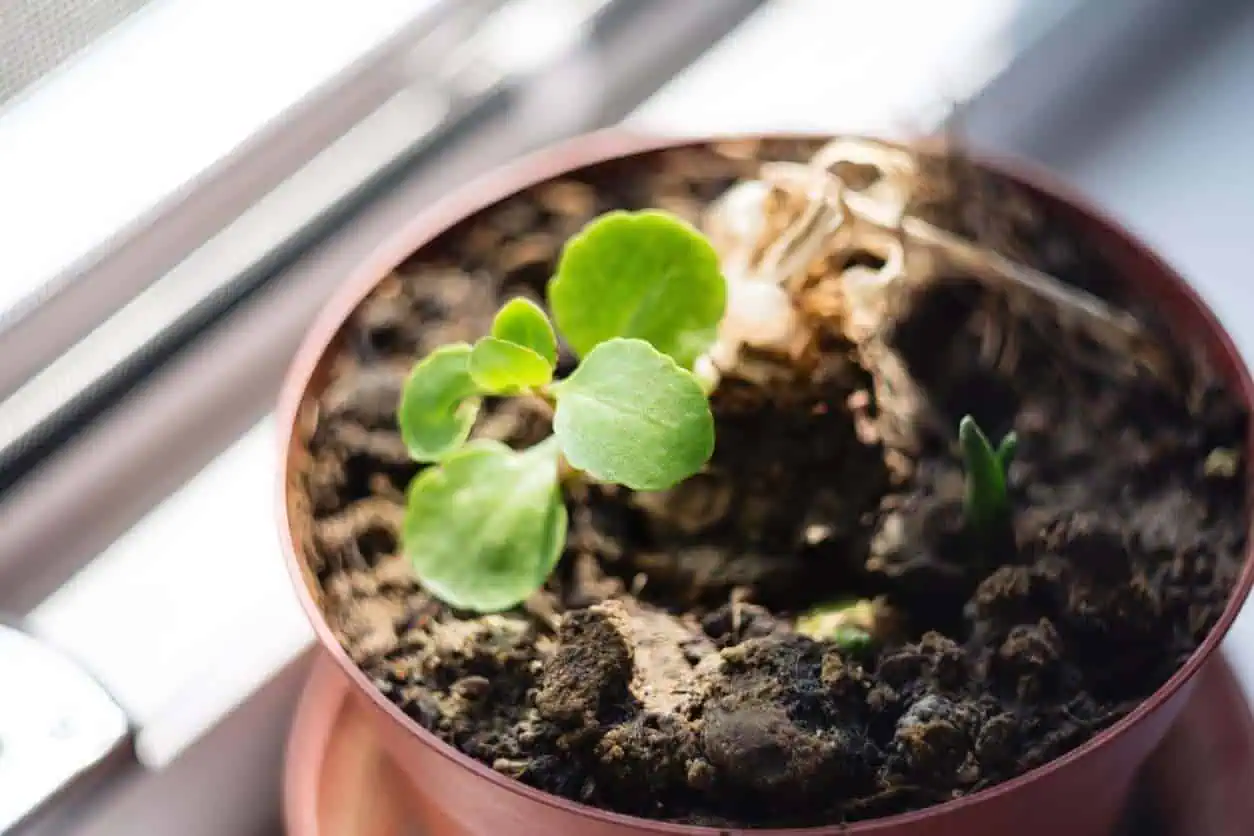
Seeds don’t get much attention in houseplant conversations because they ask for something many indoor gardeners struggle with. And that is time.
Propagation from seed means growing an entirely new plant rather than cloning an existing one. Growing from seeds creates variations in the subsequent generation.
This method works especially well for plants commonly grown commercially from seed, including many palms, some cacti, coleus, and flowering houseplants.
The challenge is that indoor conditions don’t always mimic what seeds expect in nature.
Some need warmth. Others need moisture consistency. Some benefit from soaking or scarification before planting.
Seed propagation also requires a different mindset, and the payoff is much slower.
Propagating Plants from Cuttings
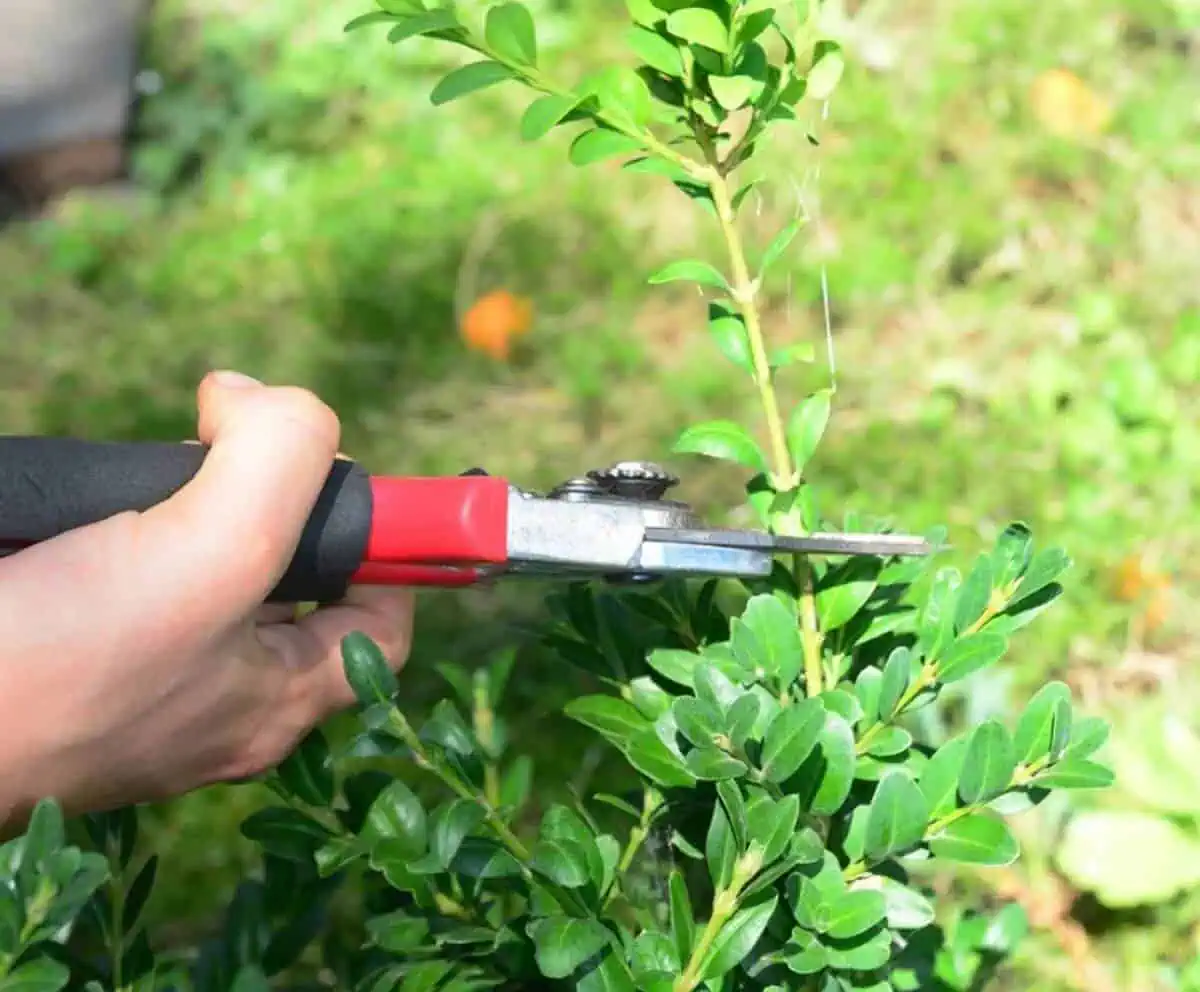
When people talk about propagating houseplants, they’re usually talking about cuttings.
That’s the broad category behind most water jars on windowsills and pots full of fresh stems. Instead of growing a plant from scratch, you remove part of an existing plant and encourage it to produce roots and continue growing independently.
Stem cuttings are by far the most common for houseplants.
Leaf cuttings are technically part of this category, too, although they behave differently. Some plants, especially succulents and peperomia, can regenerate from leaf tissue alone.
Basic Steps for Propagating Houseplants from Cuttings
The exact process varies by plant, but most cutting propagation follows the same pattern:
- Choose a healthy parent plant
Select stems or growth that are actively growing and free from pests, yellowing, or stress. - Take the right cutting
Use clean scissors or pruners and cut below a node if using stem cuttings. Most stem cuttings should include at least one node and a few leaves. - Prepare the cutting
Remove lower leaves that would sit in water or soil. For some plants, especially succulents, allow the cut end to dry and callus first. - Place it in the rooting medium
Depending on the plant, this could be water, potting mix, sphagnum moss, perlite, or another suitable medium. - Provide the right conditions
Keep the cutting warm, provide bright indirect light, and maintain appropriate moisture without overwatering. - Wait for roots and new growth
Root development can take anywhere from days to several weeks. Once roots establish and new growth appears, move the plant into regular care.
Plant Division
Credit: Adobe Stock
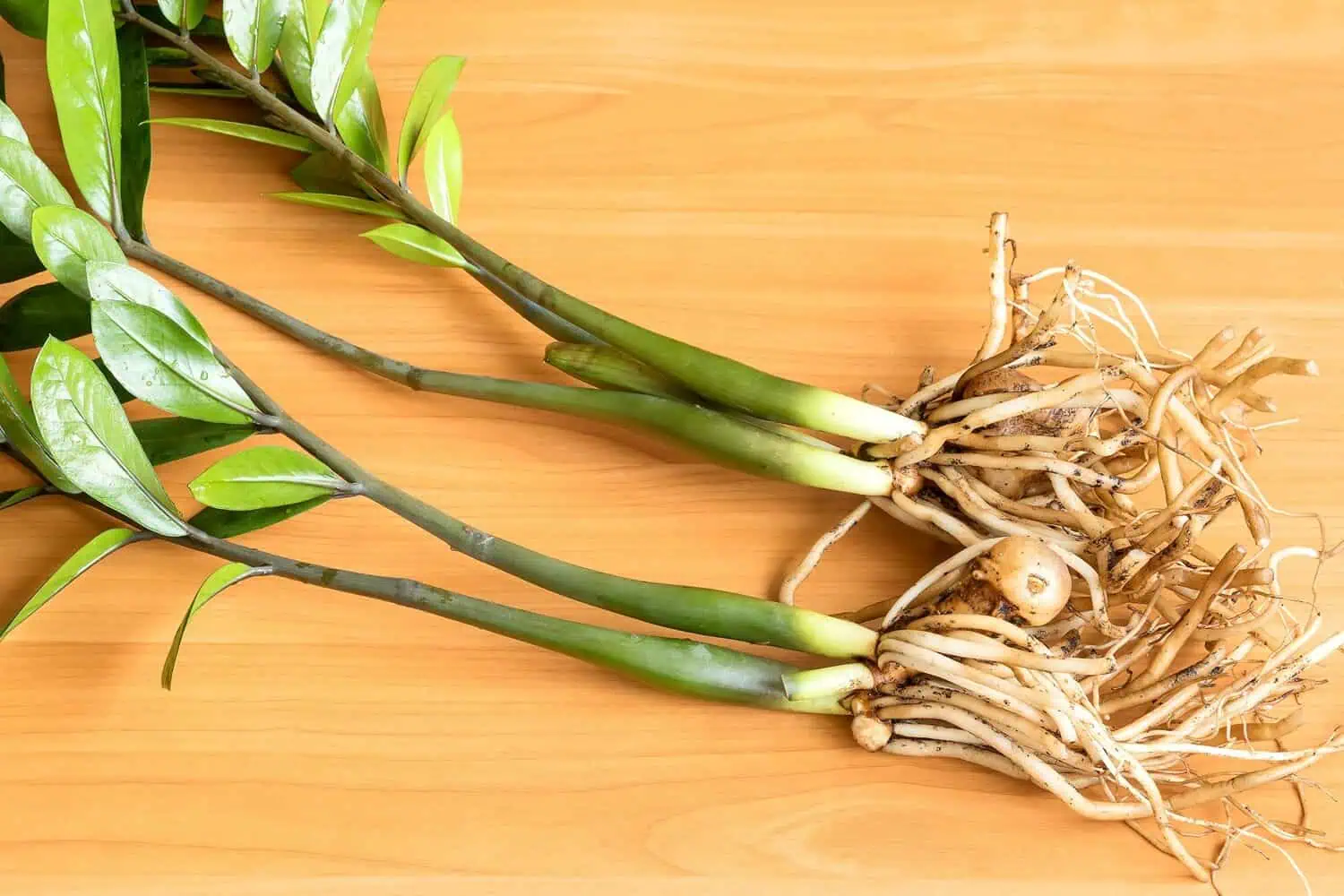
Division is a method of propagation where the entire plant is separated into smaller, whole pieces that contain all vegetative parts (leaves, stems, roots, etc).
For instance, spider plants send out babies on runners while snake plants spread underground. Aloe vera produces offsets around the base, and many ferns and peace lilies slowly form clumps.
In such scenarios, all you have to do is split the babies and pot them in containers with fresh potting mix.
But remember to water the plant beforehand to reduce stress, remove it from the container, and follow the natural breaks in the root system. If each section has healthy roots and leaves, you already have multiple plants.
Propagation by Air Layering
Credit: Adobe Stock
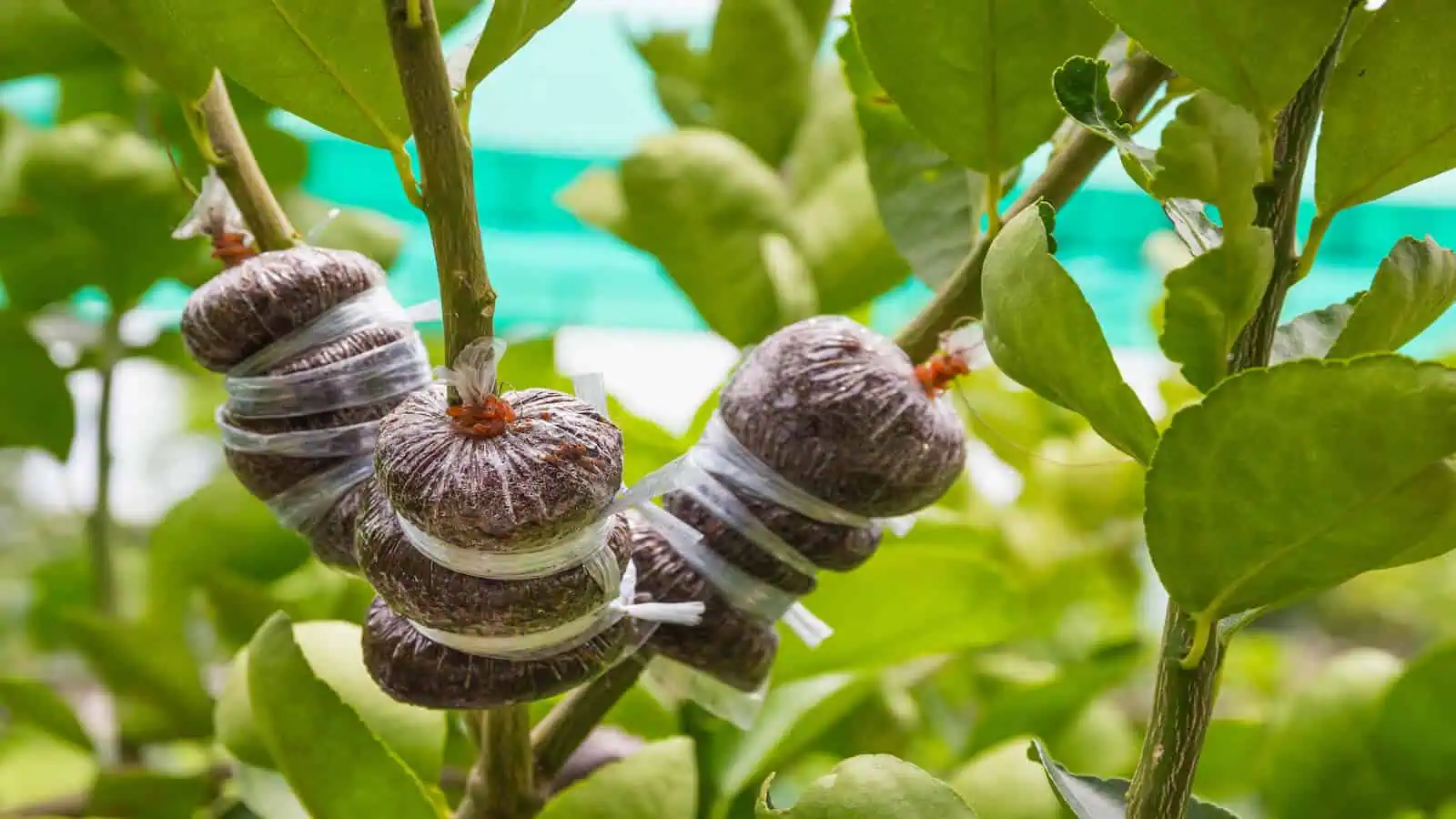
Air layering is a propagation method for woody plants that allows you to root branches while still attached to the parent plant. This is especially important for “difficult-to-root” houseplants.
So, instead of removing part of the plant and hoping it roots, you encourage roots while the stem is still attached. It works well for larger houseplants like rubber plants, monstera, and older indoor trees that have become tall or leggy.
To do the layering, lightly injure the stem, surround the area with damp sphagnum moss, and wrap it to hold moisture.
Because the stem stays connected, it continues receiving water and energy while producing roots. Once roots are established, you cut below the rooted section and plant it.
Grafting Plants
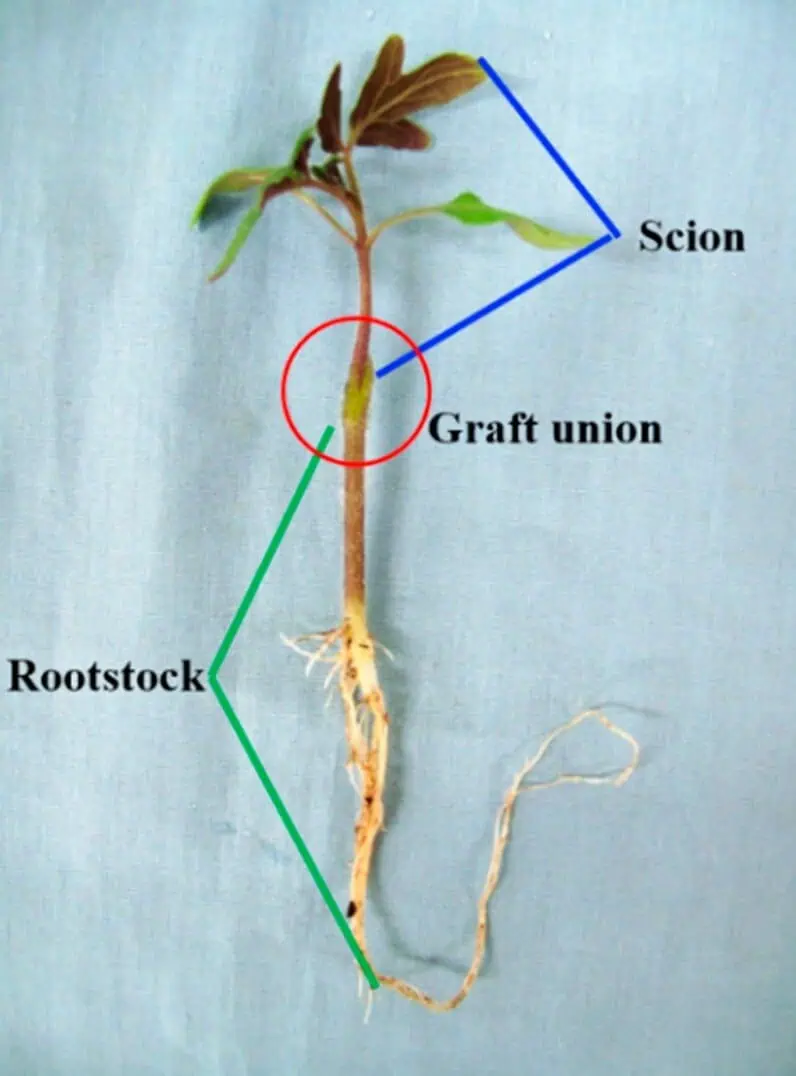
Grafting is the process of fusing two or more plants. It merges the rootstock of one plant with the scion. The upper portion, called the scion, becomes the visible plant while the lower portion, called the rootstock, provides the root system.
This method is common in fruit trees but can be used in houseplants such as roses, too.
Besides, certain cacti are frequently grafted to combine unusual growth habits with stronger root systems. Some collectors also use grafting to preserve rare or difficult species.
Success in grafting depends upon the living tissue layers connecting closely enough to transport water and nutrients. For most everyday houseplants, grafting isn’t necessary.
Budding
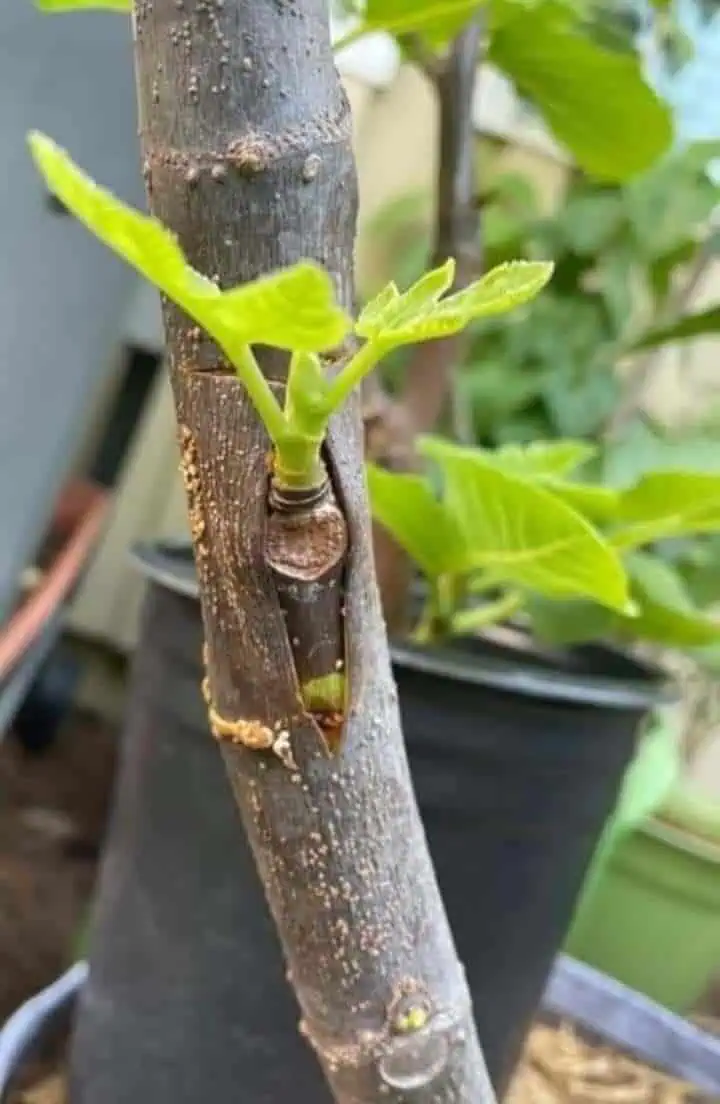
Budding is a specialized form of grafting that uses a single bud instead of an entire stem section. Gardeners insert that bud into another plant and allow it to develop into new growth.
Commercial growers often use budding because it can multiply desirable varieties efficiently while using less plant material.
This is less common, and if you’re like most people, yours truly included, we’re all unlikely to bud our pothos at home, but it’s worth understanding what’s possible out here.
Tissue Culture
This is another less common propagation method for home gardeners. But for commercial plant nurseries and research institutions, it’s all fair game.
Ever walked into a garden center and looked at rows of identical young houseplants?
Many probably didn’t start from cuttings. They started in a lab via this scientific method.
Tissue culture, also called micropropagation, uses tiny pieces of plant tissue grown under sterile conditions on nutrient-rich media.
Given the right hormones and environment, those cells can develop roots, shoots, and eventually complete plants.
It sounds futuristic, but the underlying idea comes from a remarkable property of plant cells called totipotency. Many plant cells retain the ability to regenerate into entire plants.
Commercial growers use tissue culture because it produces large numbers of consistent plants while reducing disease spread.
For home gardeners, tissue culture usually isn’t practical unless you enjoy sterile technique and tiny instruments. Still, it explains why unusual houseplants can suddenly become affordable after years of rarity.
The Easiest Houseplants to Propagate
There’s no prize for starting with the most difficult plant.
Propagation gets easier when the first attempt actually works, so it helps to begin with houseplants that root readily.
Pothos
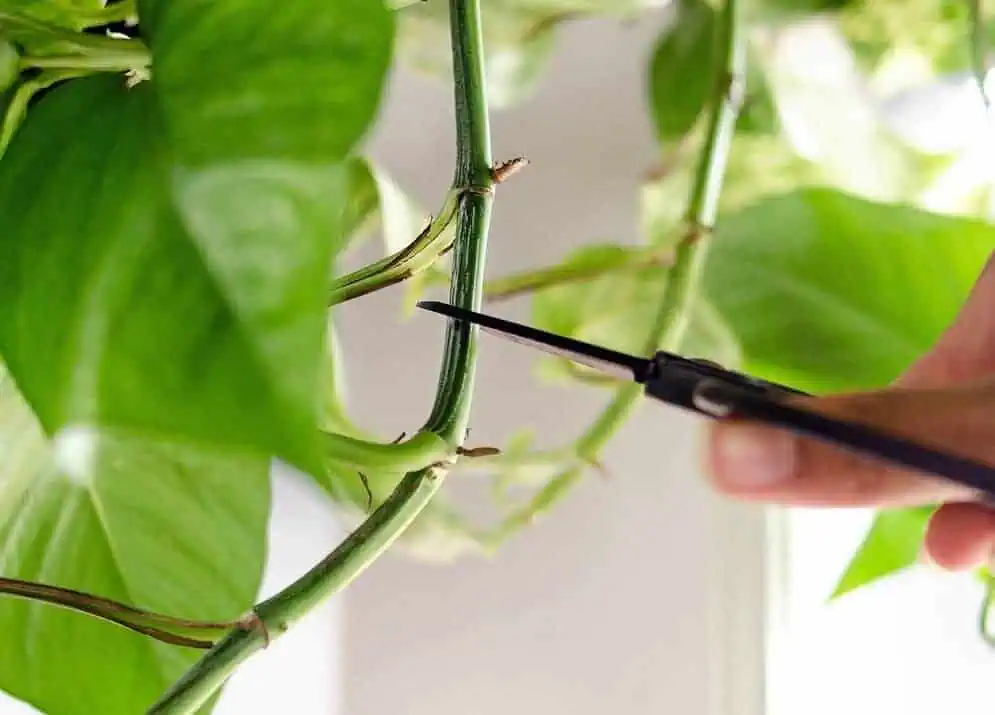
They usually top the list for a reason. A healthy stem with a node often roots in water within a couple of weeks, and the plant tends to forgive small mistakes.
In fact, you can even propagate pothos without a rooting hormone.
Spider plants
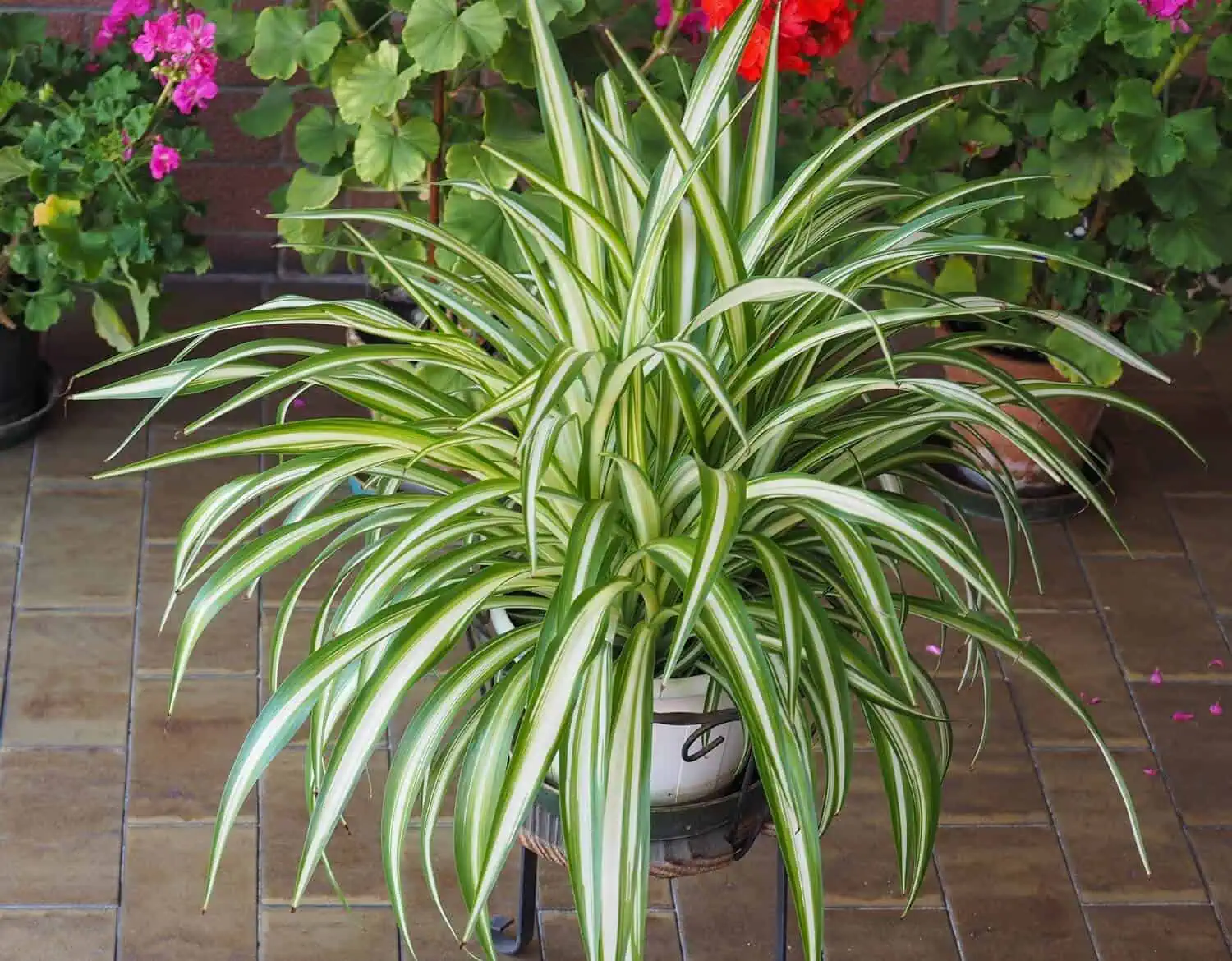
These are another confidence booster because they produce baby plants naturally. Instead of coaxing roots from a cutting, you’re separating growth that already wants to grow on its own.
Here are 3 simple methods for propagating spider plants.
Snake Plants

Just like spider plants, they propagate reliably through division and leaf cuttings, although they’re relatively slower to form the offshoots.
Here are 5 popular methods for propagating snake plants.
Tradescantia
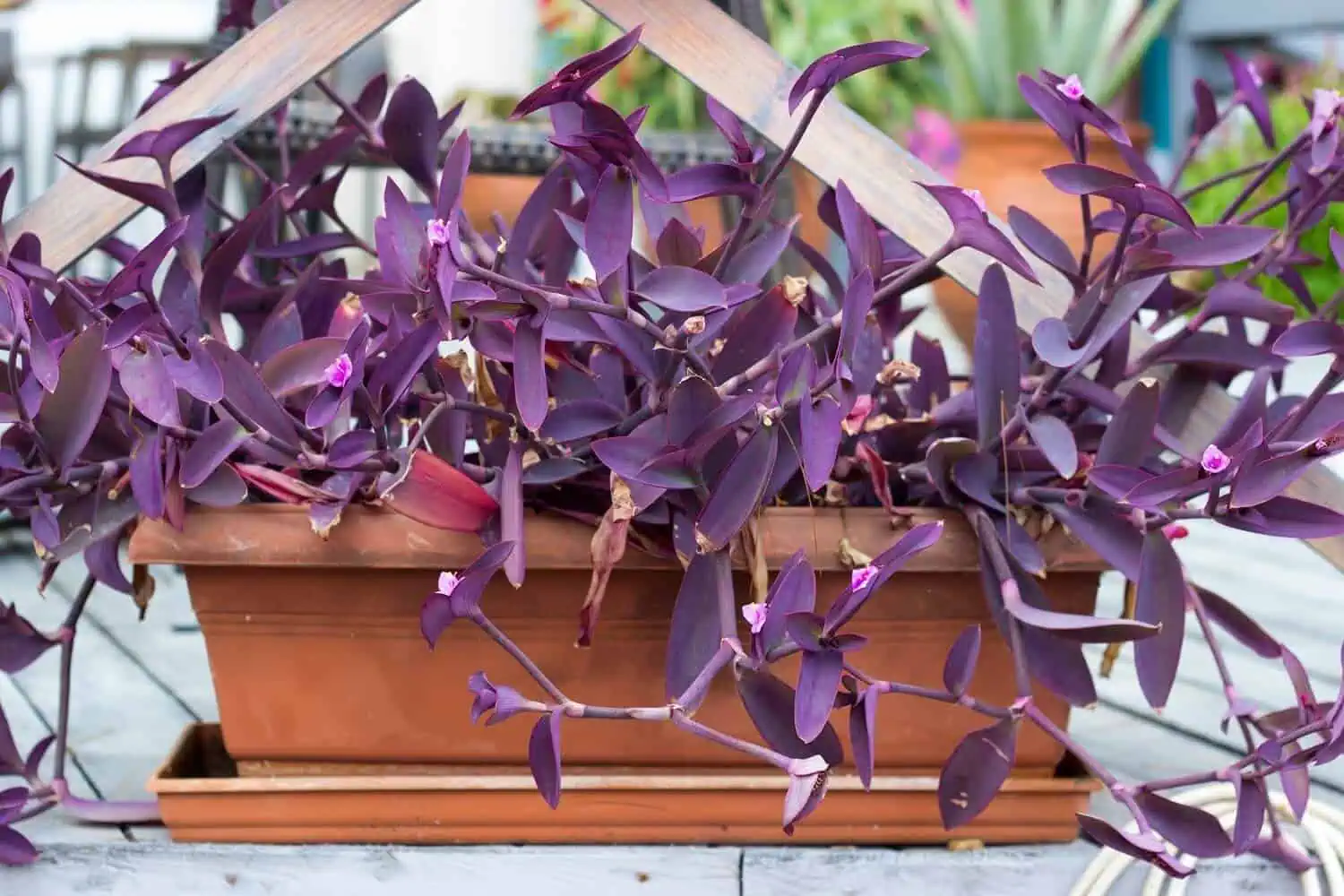
It has almost the opposite problem: it roots so enthusiastically that people sometimes joke you can leave a cutting near the soil and it’ll start making plans.
Jade Plants
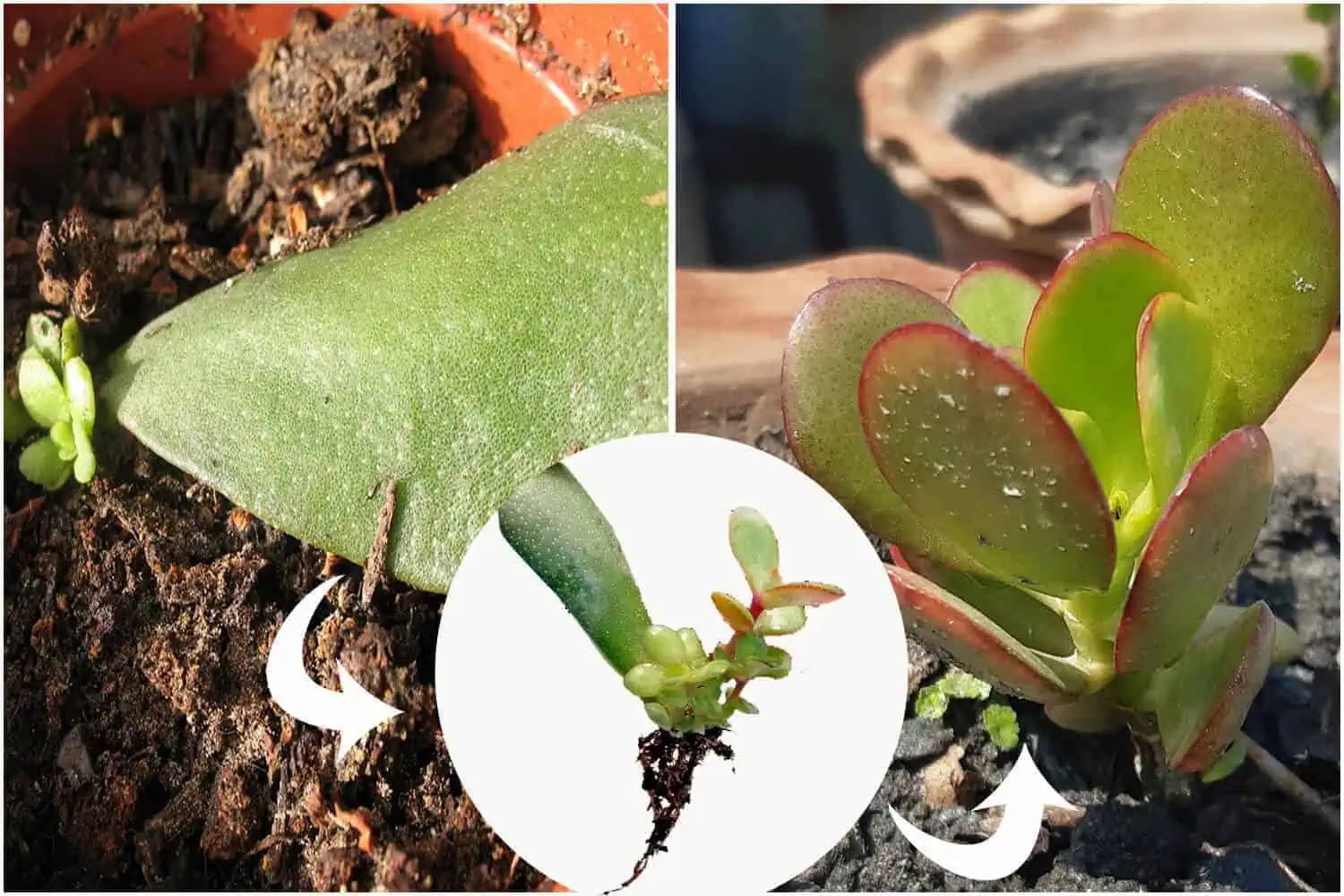
Many succulents are surprisingly beginner-friendly too, especially jade plants and some echeverias. The biggest challenge with succulents is usually resisting the urge to water too soon.
Here’s my go-to 3-step process for propagating jade plants.
Hard to Root Houseplants
Despite the positivity and optimism, not all plants are that easy to propagate. Put in another way, they tend to take longer to root, and the success rates are relatively lower.
Fiddle leaf figs are one example. They’re commonly propagated through stem cuttings or air layering, but success rates tend to improve when conditions stay warm, bright, and stable.
Prayer plants and calatheas can also frustrate people because they’re sensitive to humidity and environmental changes. Division is often easier than trying to root cuttings.
Hoyas sit in an interesting middle ground. Some varieties propagate successfully from stem cuttings, but they can take their time producing visible growth. Rooting doesn’t always equal fast establishment.
Let me set the record straight. None of this means avoiding these plants. It just means adjusting expectations.
As a start, I recommend you begin by checking out this guide about how to propagate rosemary from cuttings. Also, you may want to read how to propagate landscaping shrubs from hardwood cuttings.
Conclusion
You’ve just read how to propagate houseplants in water and soil using the seven propagation methods. Now, you don’t have to attempt each one of them. Instead, begin with say cuttings and division, then move from there.
And as a reminder, rooting is only the beginning. Knowing the next steps to take is often more valuable.
If you’ve found this guide helpful, share it on Facebook with another plant lover or save it to Pinterest so you’ve got it ready the next time a houseplant needs to be propagated.
Featured Credit: Dean Schoeppner via BH&G